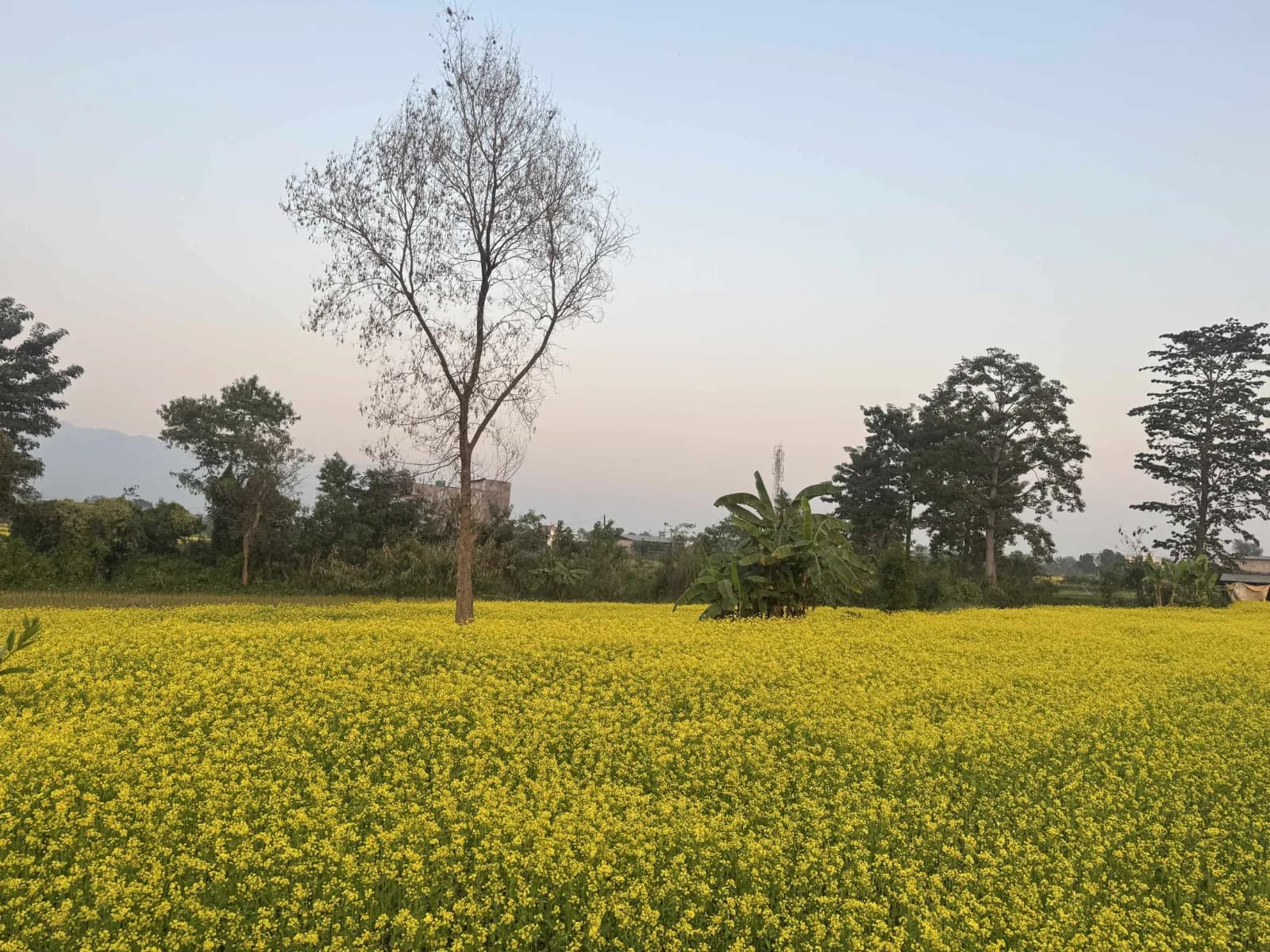
“Beauty and pollution often share the same space.”
Beyond the mustard field
There was something oddly comforting about this cold winter morning.
The sky looked tired, the air felt heavy, and the world looked like it lost a little bit of its colour.
Then, I reached the mustard field near my house.
For a moment, all I could see was yellow spreading throughout the field.
Against the grey background of winter, the vibrant yellow made the air feel alive.The field looked damp with fresh dew.
The air felt clean.
Winters like this are often the season when pollution becomes hardest to notice.
While pollutants from dust storms or vehicle smoke are often noticeable, many harmful particles remain invisible and blend into days exactly like this one. During colder months like this, pollutants from vehicles, industries, construction sites, and household fires get trapped closer to the ground.
This prevents pollutants from dispersing into the environment and as a result harmful pollutants such as PM2.5 accumulates in the air.
These particles are invisible to the naked eye but their effect includes respiratory irritation and increased risk of chronic respiratory diseases from the air we breathe throughout the season. Looking at the mustard field, it was easy to believe the air was as fresh as the landscape appeared.
Yet winter often has a way to remind us that some of the most harmful pollutants can exist quietly within the most serene landscapes.
Contributor
@panthipurnima
Badge
SafaHawa Guardian
Continue browsing
Related memories
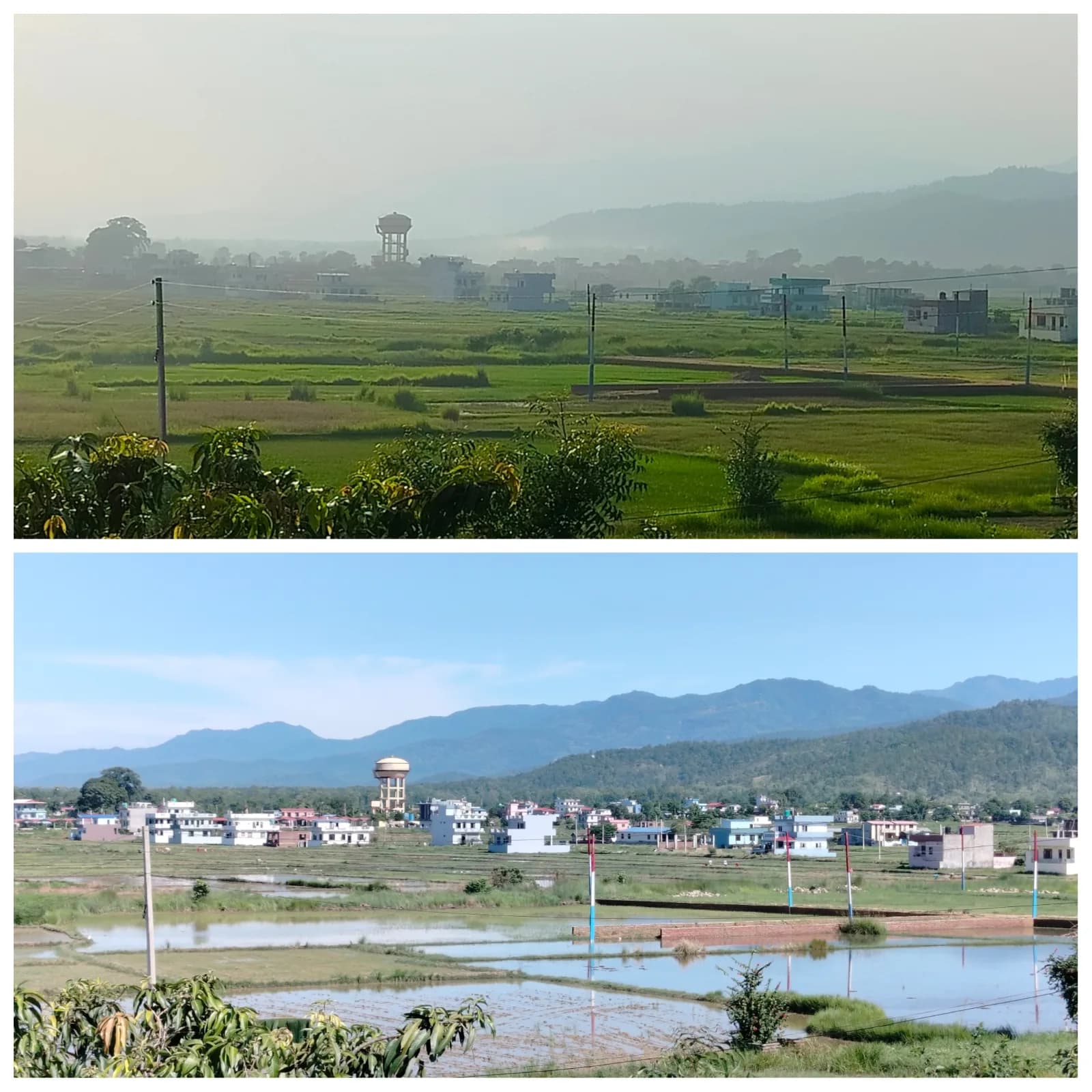
Nature is Healing
"The Rain Effect: The AQI of Sainamaina Dropped to 46 From 165. Massive Relief!!"
This two images of Sainamaina represents the massive change in air because of rainfall. The upper image, which I have already uploaded in Safahawa with the caption as "Rain Couldn'
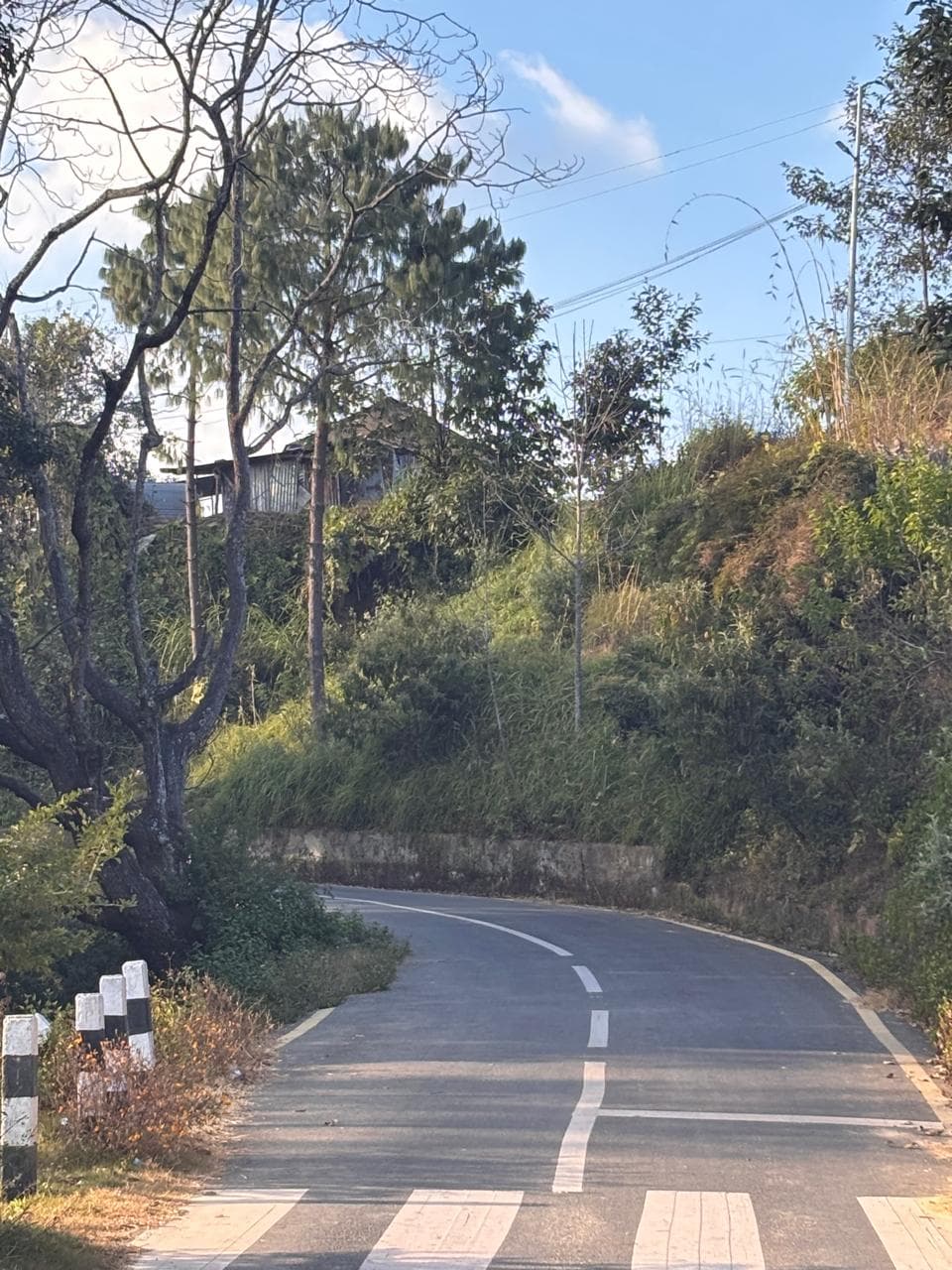
a quiet road
"A quiet road flanked by trees, where clean air and dappled sunlight slow the city’s pace."
A lone road stretches into the morning light, empty of cars, each side framed by a row of tall trees whose leaves murmur like quiet guardians. The air here tastes of green — cool,
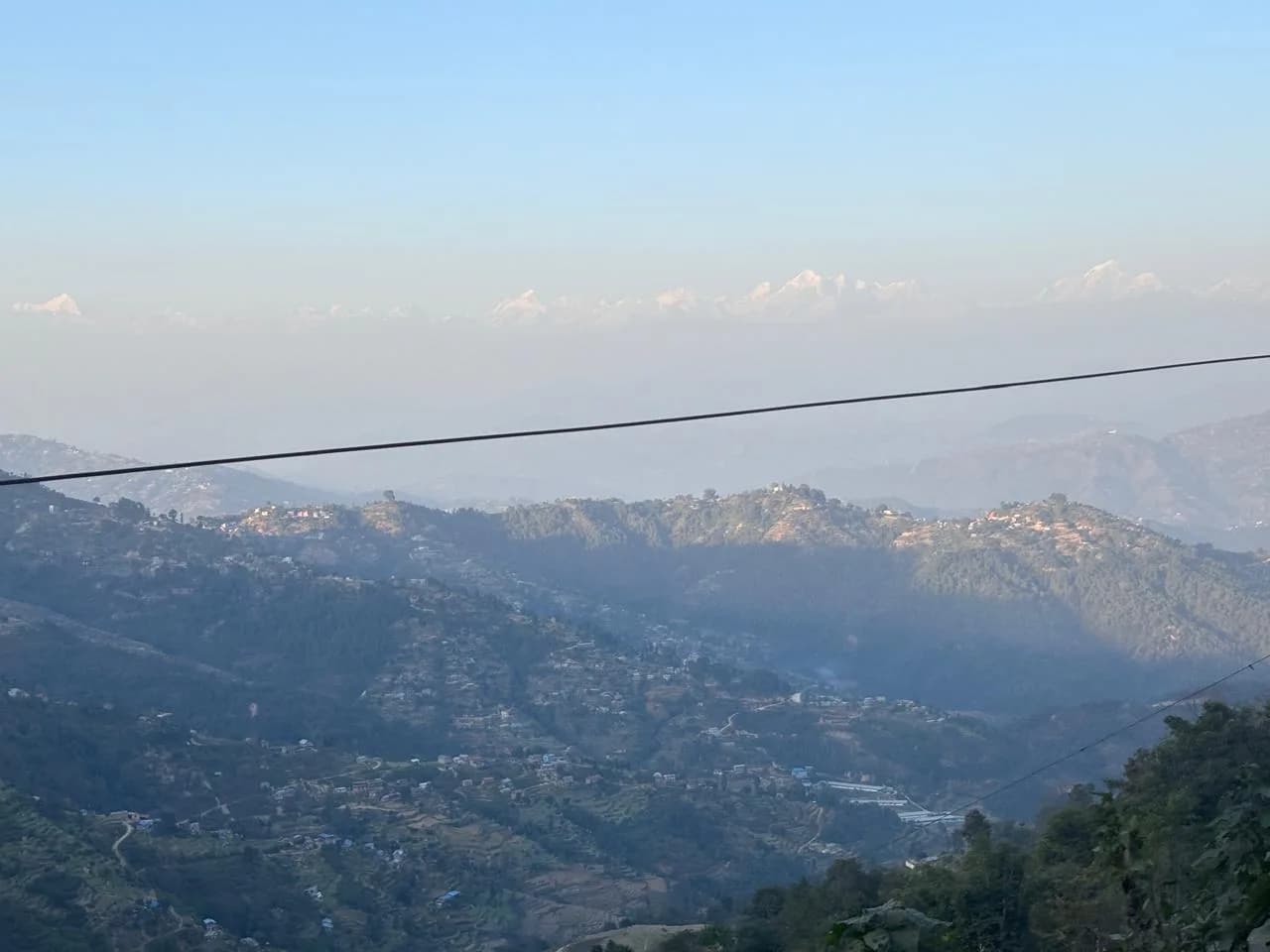
A village without pollution
"a village does not need an air purifier for clean air"
Anshu woke each morning to cool, clear air after the village stopped open burning and switched to clean stoves and composting. Children played without coughing, the river ran clear
