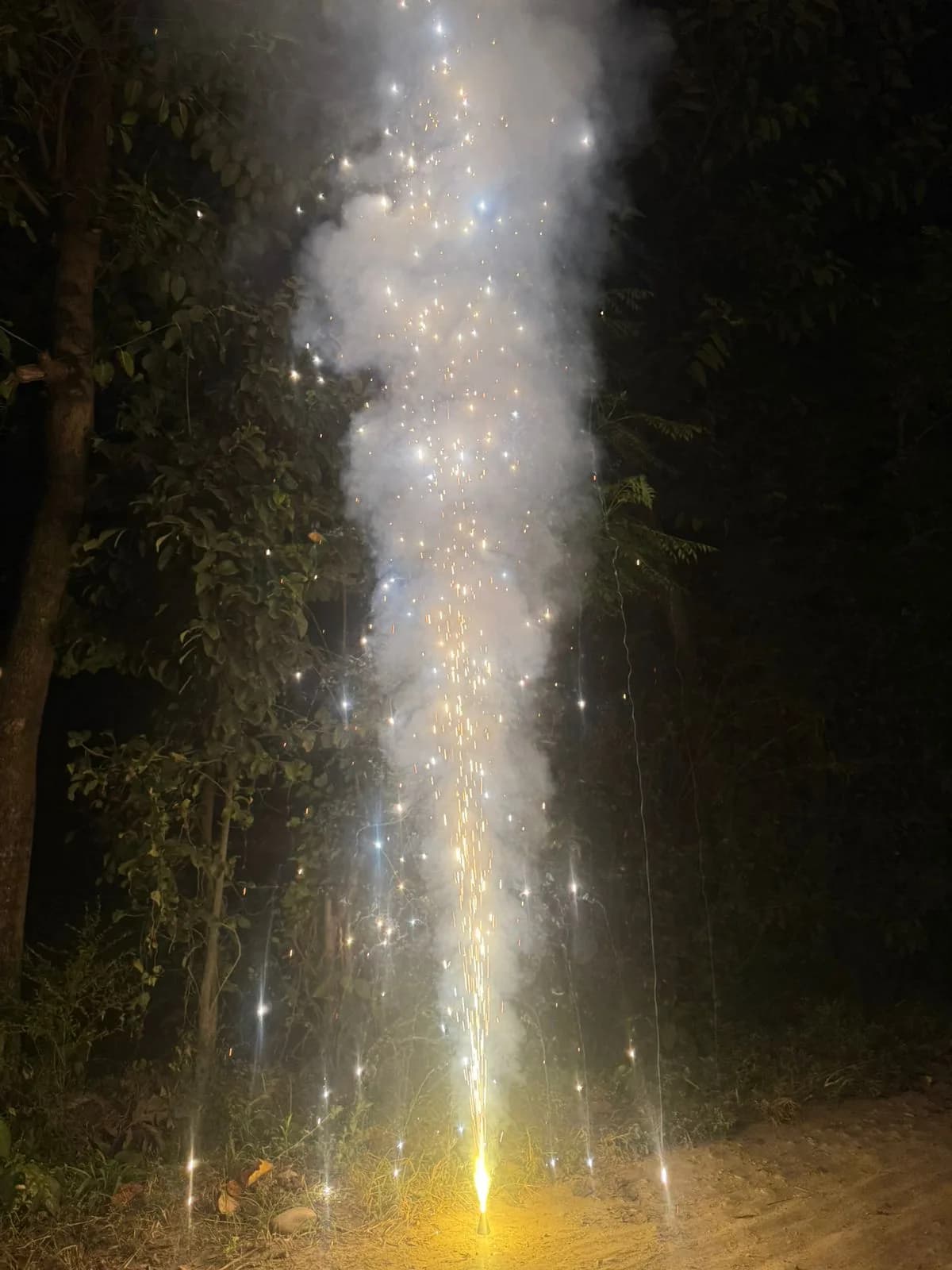
“Celebration that lingers in the air.”
Celebrating Air Pollution?
Every October, the night sky of Nepal lights up with colourful lights and fireworks all around.
Families gather, friends reunite, children cheer and every corner of streets fills with the festive air of joy and tradition. The beautiful orange sunsets of October, moderate climate all around and clear sky are definitely something we all enjoy.
However, the celebration often leaves behind traces more than just memories. The weeks following these festivals of October are often filled with the smell of gunpowder released by the fireworks, a visible haze lingering in the air and people dealing with chronic health issues like Asthma having breathing problems. These fireworks may last only a few minutes, but their impact can remain long after the lights disappear from the sky.
The effects caused by it are not limited to humans.
This heavily impacts the livelihood of animals and birds as well.
Traces of smoke and firework’s debris impact the quality of air around them causing chaos in their ecosystem. Festivals are meant to bring happiness and a sense of togetherness.
And, maybe it’s time we also start to consider protecting the air we all share while preserving the spirit of these celebrations.
Contributor
@panthipurnima
Badge
SafaHawa Guardian
Continue browsing
Related memories
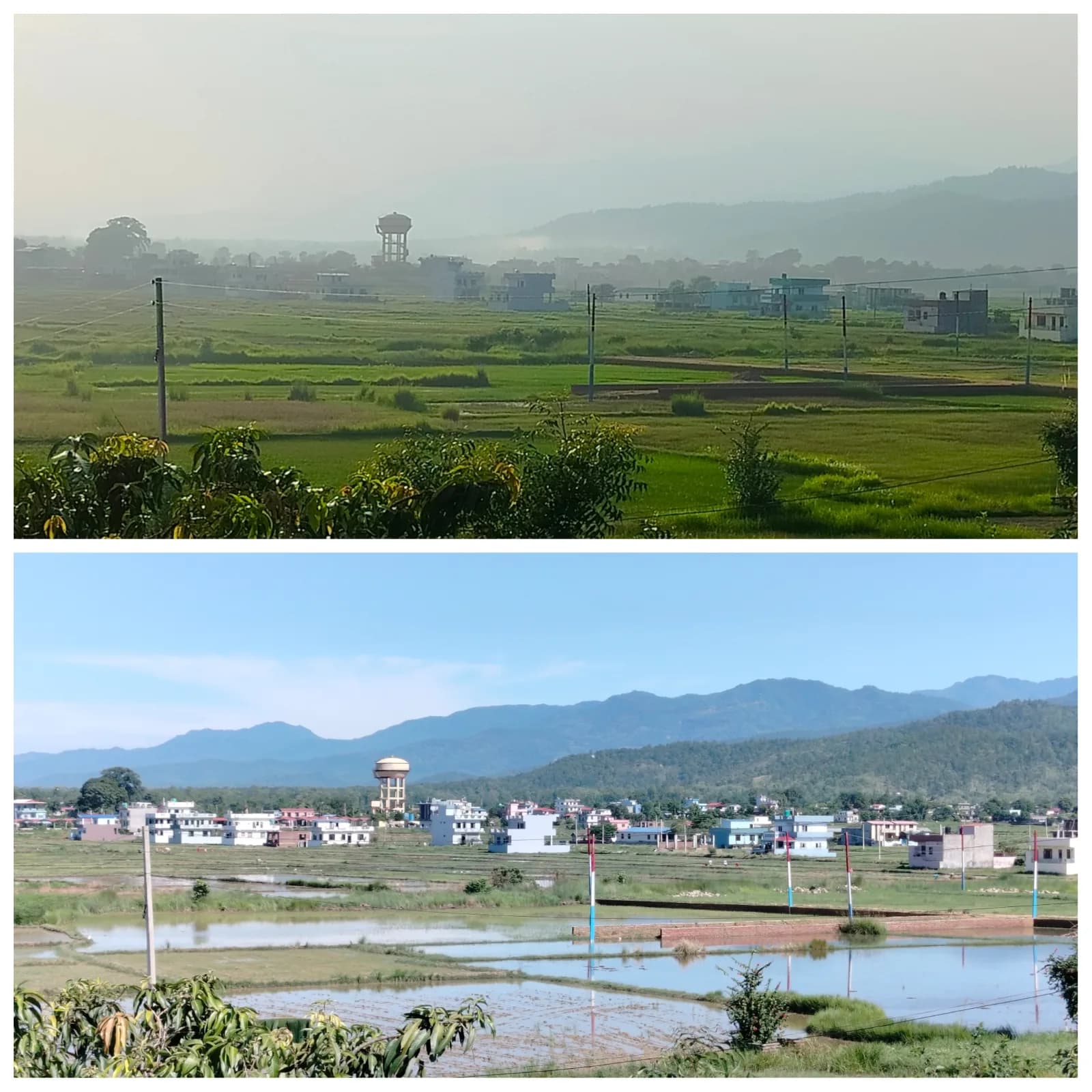
Nature is Healing
"The Rain Effect: The AQI of Sainamaina Dropped to 46 From 165. Massive Relief!!"
This two images of Sainamaina represents the massive change in air because of rainfall. The upper image, which I have already uploaded in Safahawa with the caption as "Rain Couldn'
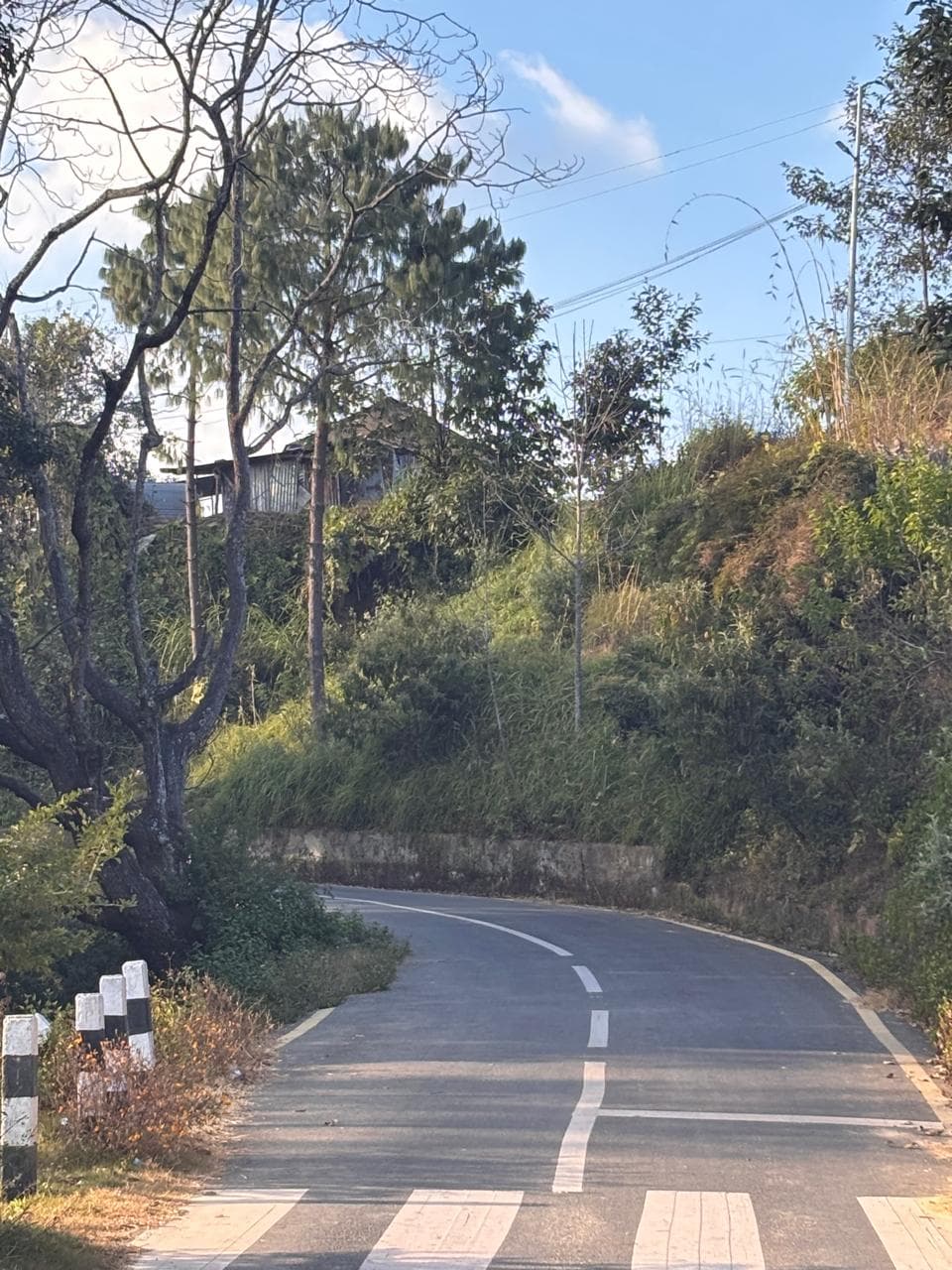
a quiet road
"A quiet road flanked by trees, where clean air and dappled sunlight slow the city’s pace."
A lone road stretches into the morning light, empty of cars, each side framed by a row of tall trees whose leaves murmur like quiet guardians. The air here tastes of green — cool,
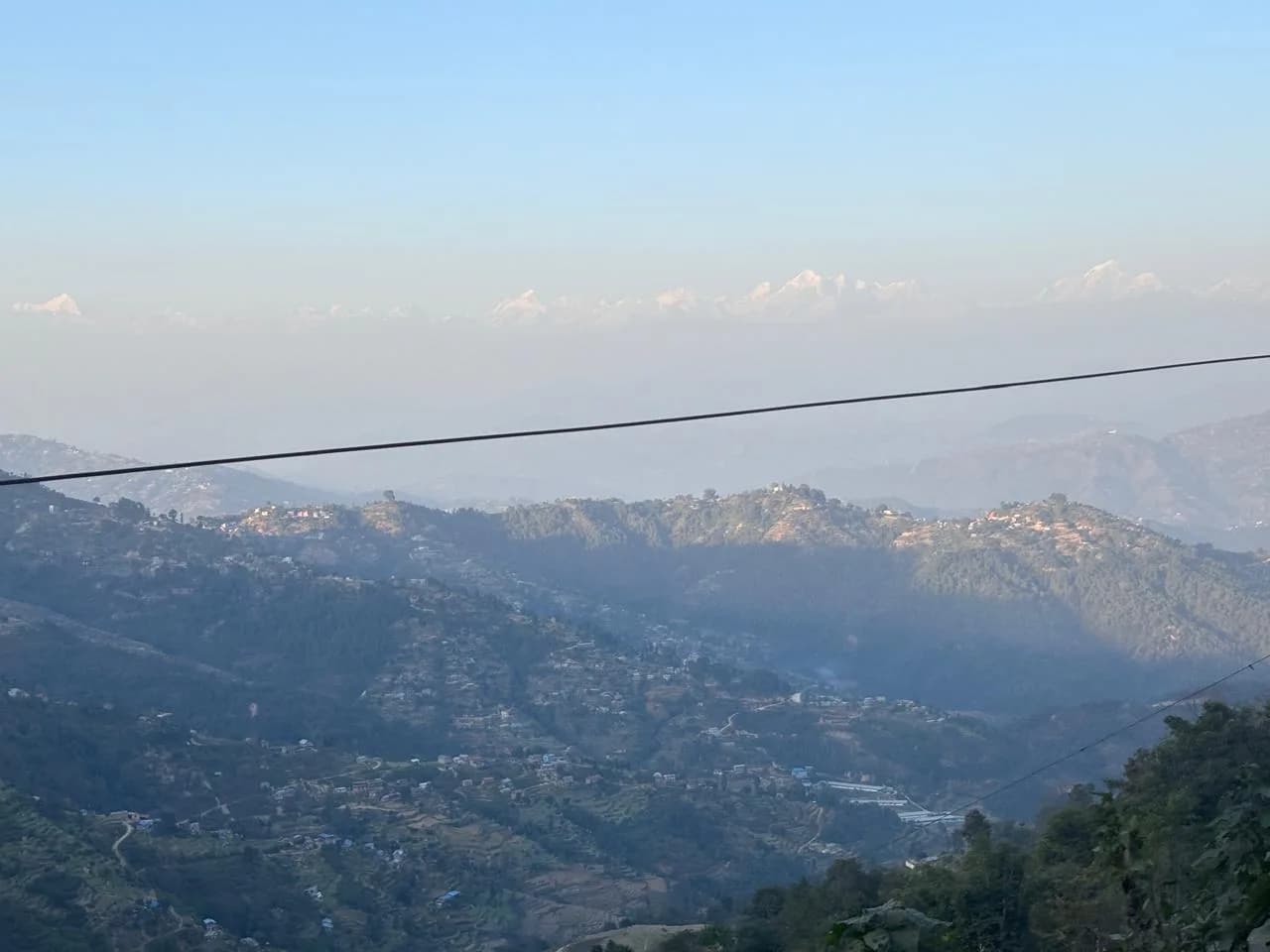
A village without pollution
"a village does not need an air purifier for clean air"
Anshu woke each morning to cool, clear air after the village stopped open burning and switched to clean stoves and composting. Children played without coughing, the river ran clear
