“The hidden environmental cost of keeping fruits fresh”
Cold Store Crisis
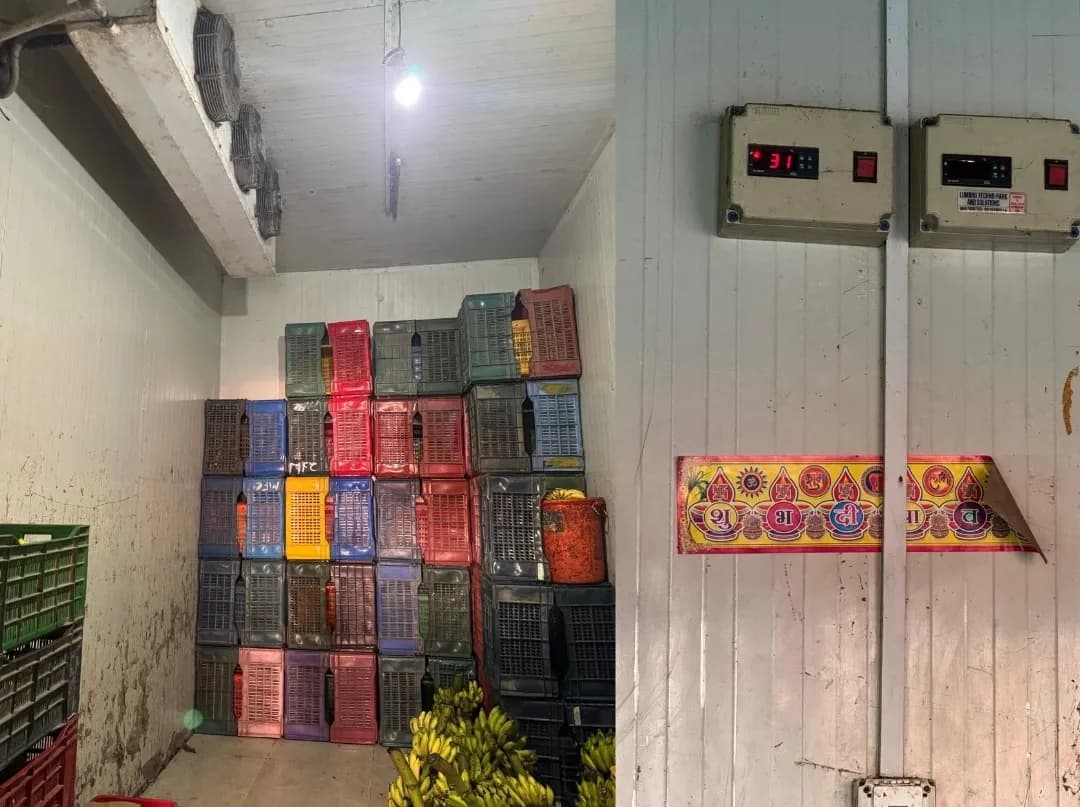
Have you ever wondered what your fruits go through before they reach the vendors you buy from? Who supplies these perfectly ripe fruits and how do they reach our markets? This is the picture from one of the wholesale fruit suppliers in Butwal.
The fruits here are distributed to local vendors across the country including Butwal, Surkhet, Kathmandu and many more.
These large scale AC units shown in the picture are used to control the ripening timing of various fruits such as banana, kiwi, mangoes,etc.
These days, many wholesalers store their fruits in large scale cold stores to extend shelf life and maintain market availability during off-seasons. These facilities often consume large amounts of fuels and regulate generators to keep steady flow of electricity all the time.
Refrigerants used in these cooling systems contribute to greenhouse gas emissions when they leak into the atmosphere.
The fruits then travel hundreds of kilometers by trucks and other vehicles before reaching local vendors.
As a result, these supply systems release emissions that contribute to air pollution and climate change. By the time a ripe fruit reaches our local markets, it pays a long chain of environmental costs that remain invisible to consumers like us.
Contributor
@panthipurnima
Badge
SafaHawa Guardian
Continue browsing
Related memories
Nature is Healing
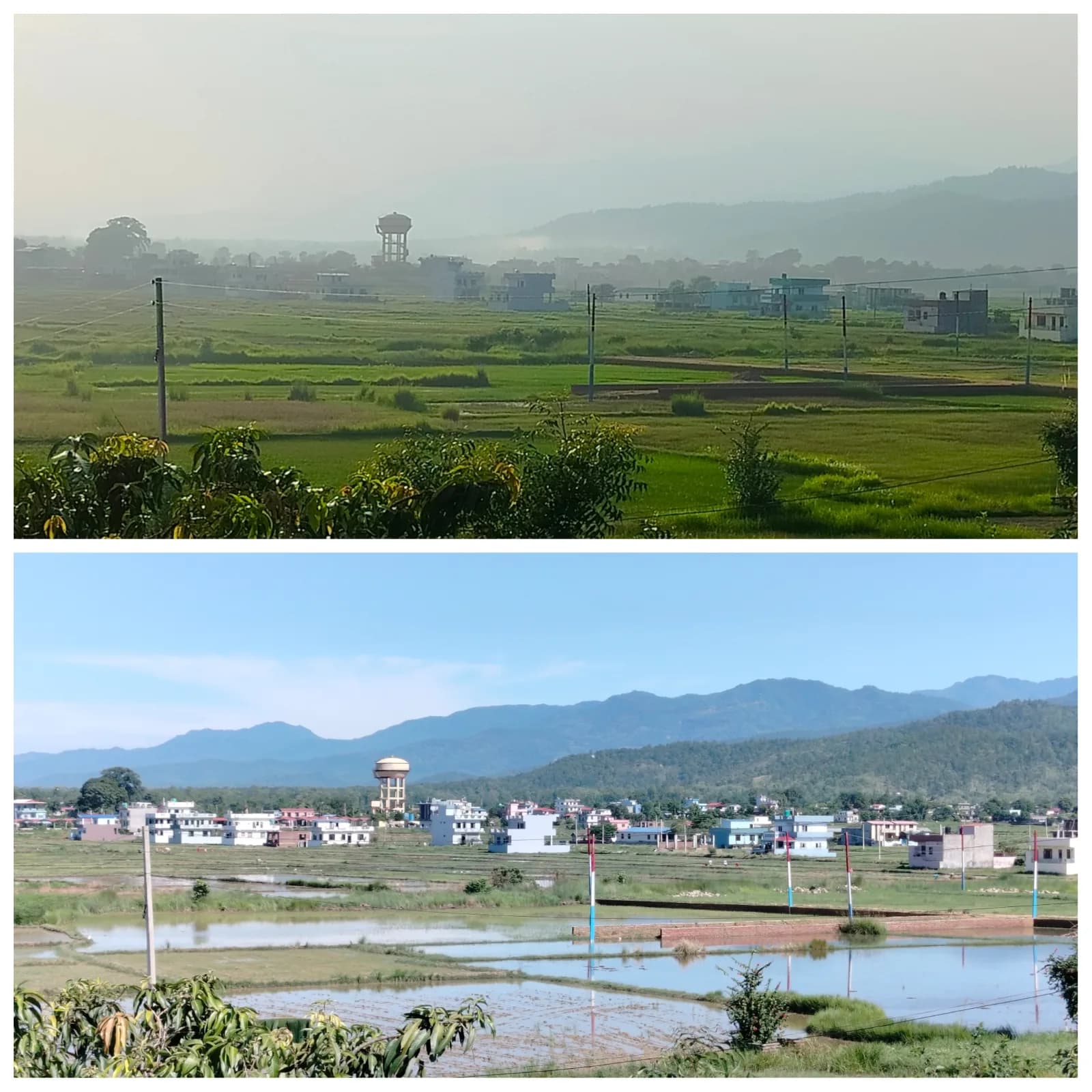
"The Rain Effect: The AQI of Sainamaina Dropped to 46 From 165. Massive Relief!!"
This two images of Sainamaina represents the massive change in air because of rainfall. The upper image, which I have already uploaded in Safahawa with the caption as "Rain Couldn'
a quiet road
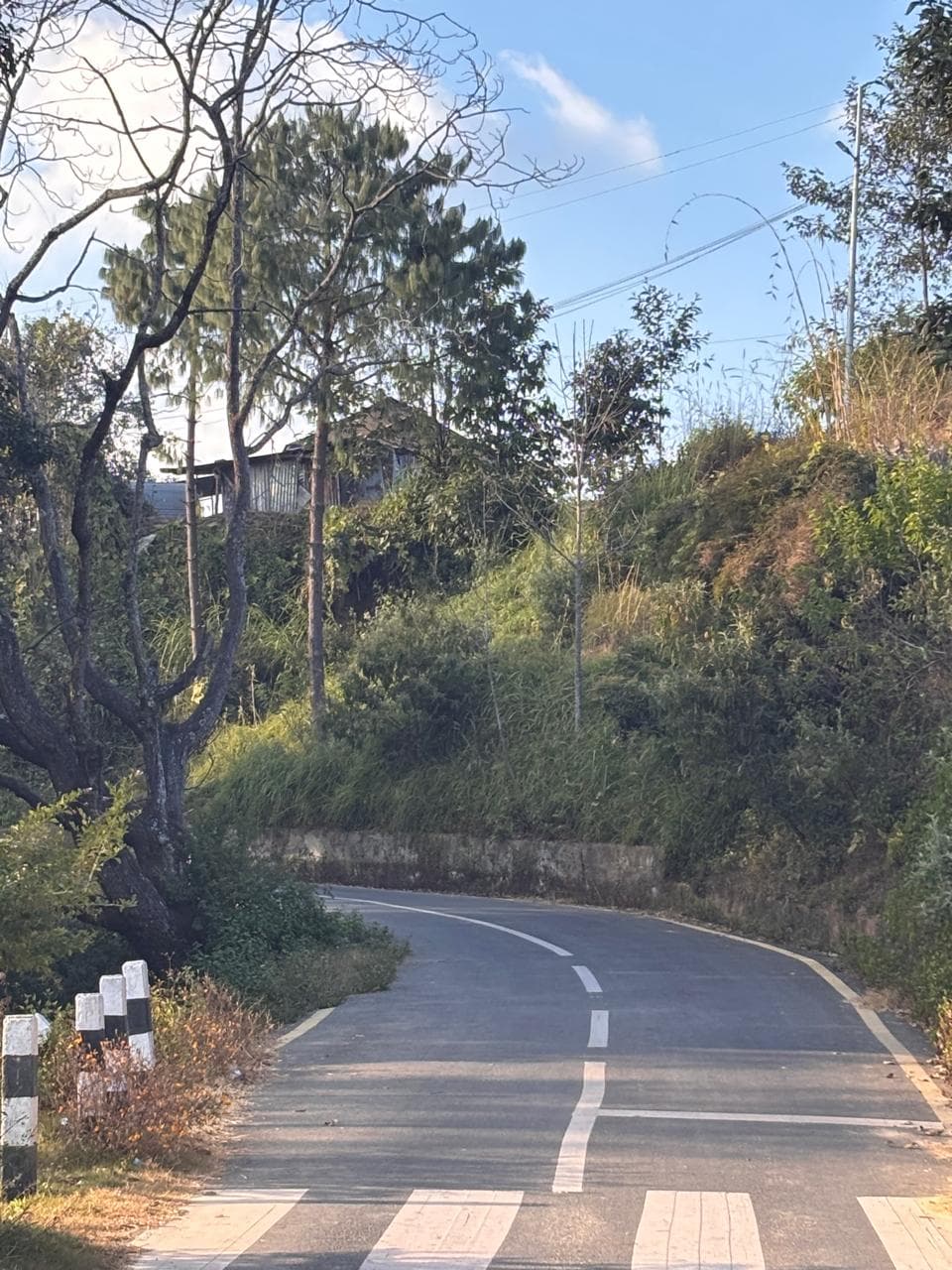
"A quiet road flanked by trees, where clean air and dappled sunlight slow the city’s pace."
A lone road stretches into the morning light, empty of cars, each side framed by a row of tall trees whose leaves murmur like quiet guardians. The air here tastes of green — cool,
A village without pollution
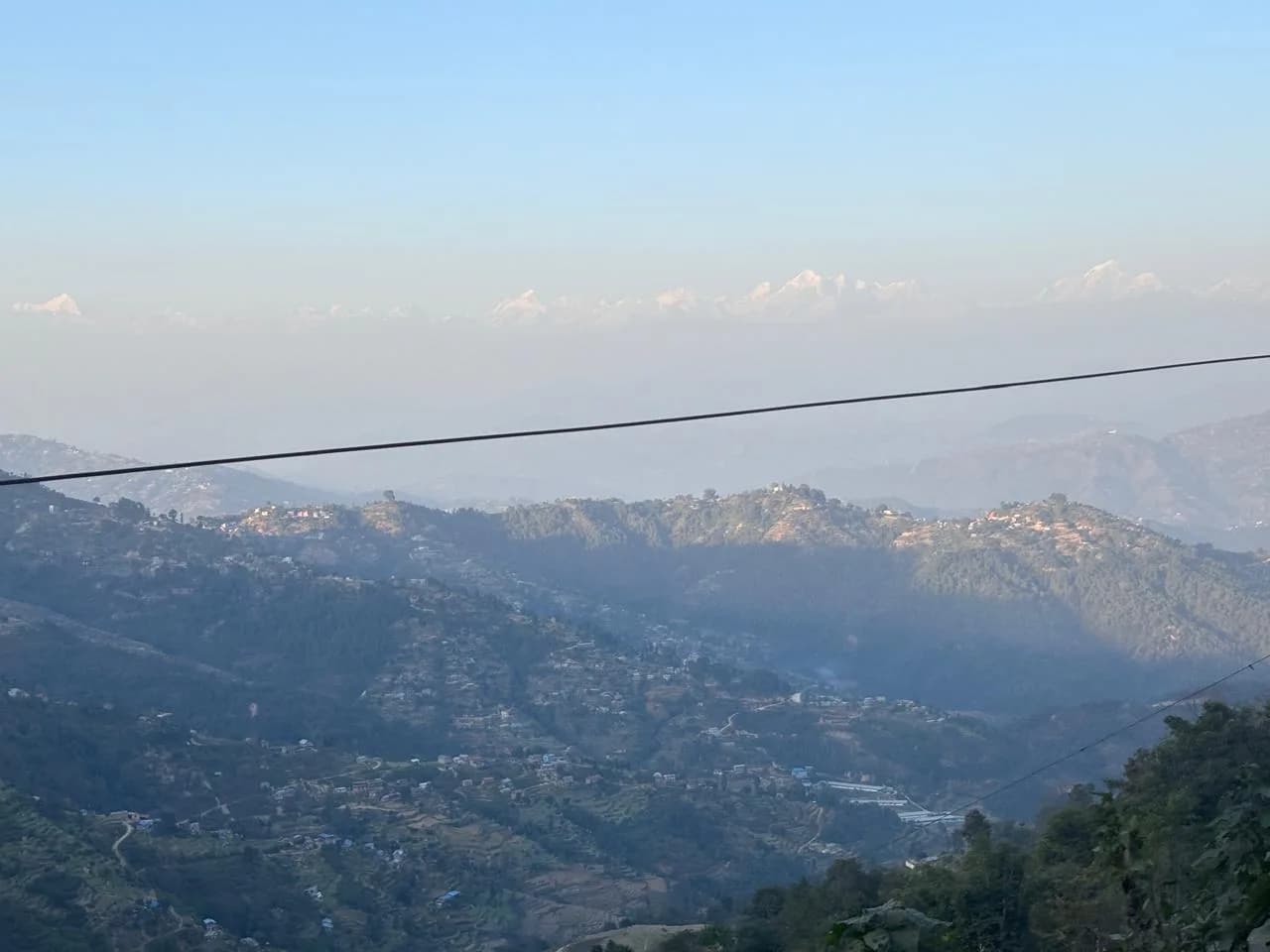
"a village does not need an air purifier for clean air"
Anshu woke each morning to cool, clear air after the village stopped open burning and switched to clean stoves and composting. Children played without coughing, the river ran clear
