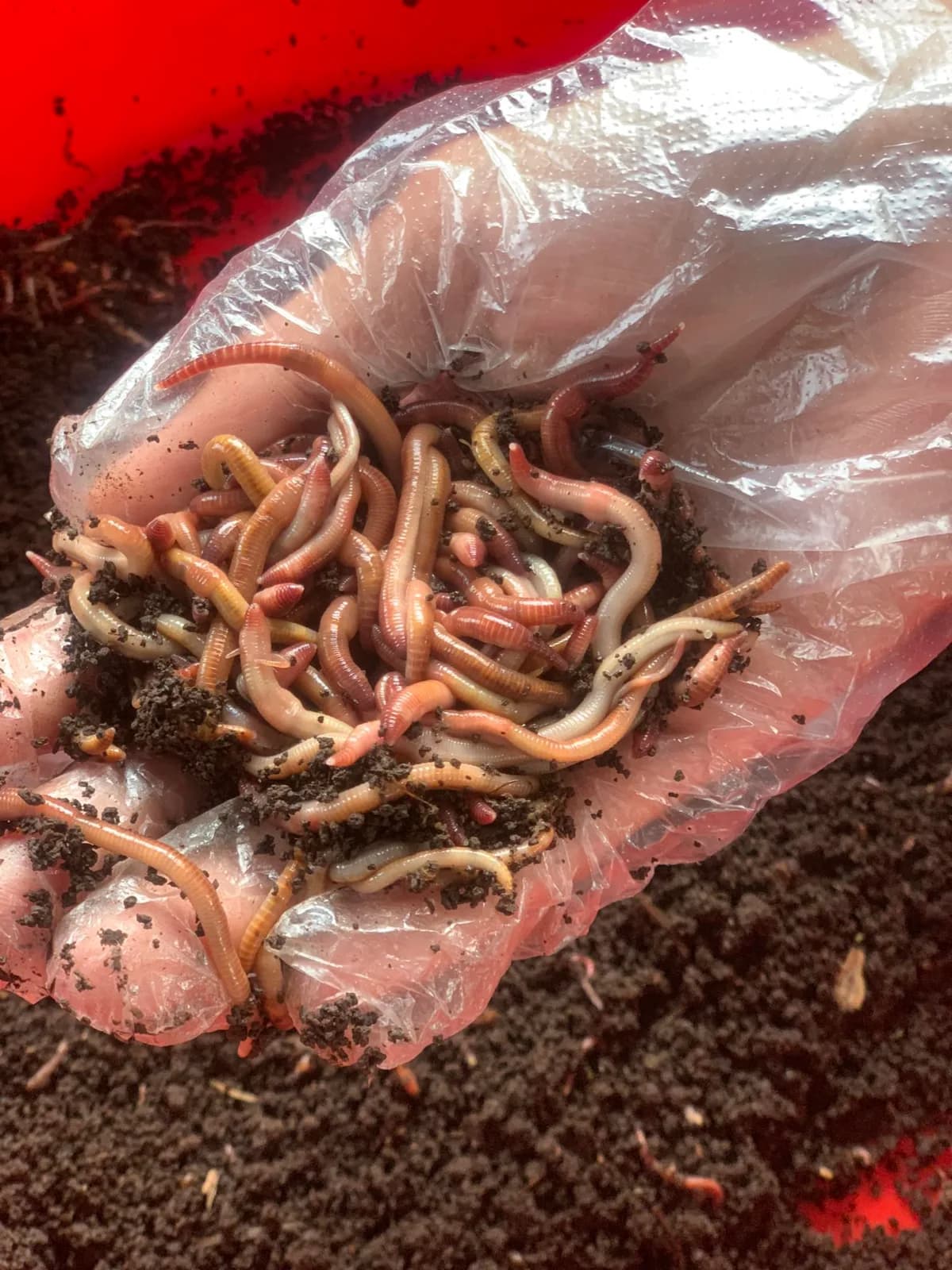
“Your Kitchen waste might be the reason for your breathing problem.”
Compost for Clean air
Organic waste dumped openly or left to rot releases harmful gases like methane (CH₄), carbon dioxide (CO₂), and ammonia (NH₃), which contribute to air pollution, bad odors, and climate change.
Burning organic waste also produces smoke and fine particles harmful to human health.
Vermicomposting uses earthworms to naturally convert organic waste into nutrient-rich compost, reducing harmful emissions and supporting cleaner surroundings.
By managing kitchen and garden waste through vermicomposting, we can protect air quality, improve soil health, and build a greener future.
Contributor
@jharana
Badge
SafaHawa Guardian
Continue browsing
Related memories
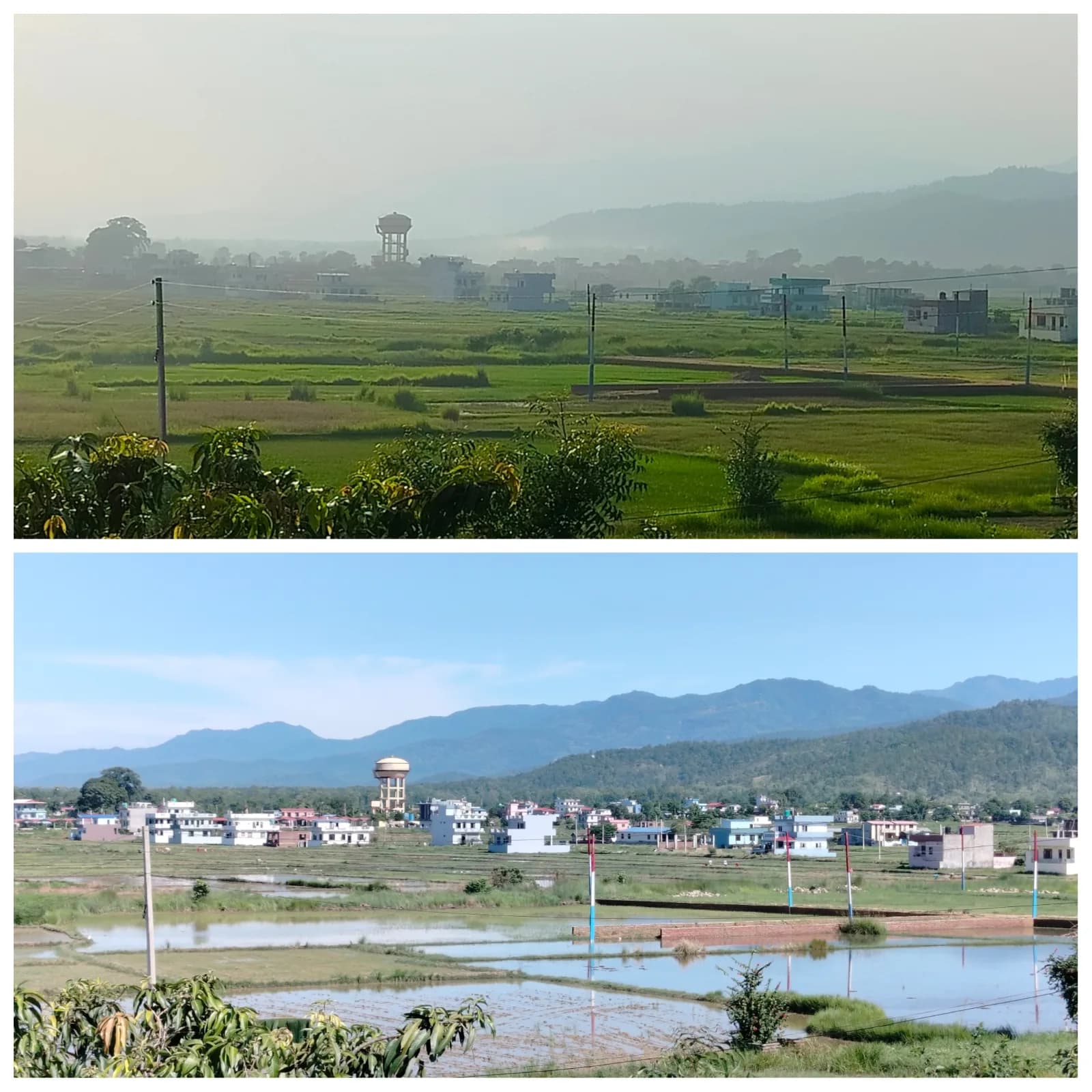
Nature is Healing
"The Rain Effect: The AQI of Sainamaina Dropped to 46 From 165. Massive Relief!!"
This two images of Sainamaina represents the massive change in air because of rainfall. The upper image, which I have already uploaded in Safahawa with the caption as "Rain Couldn'
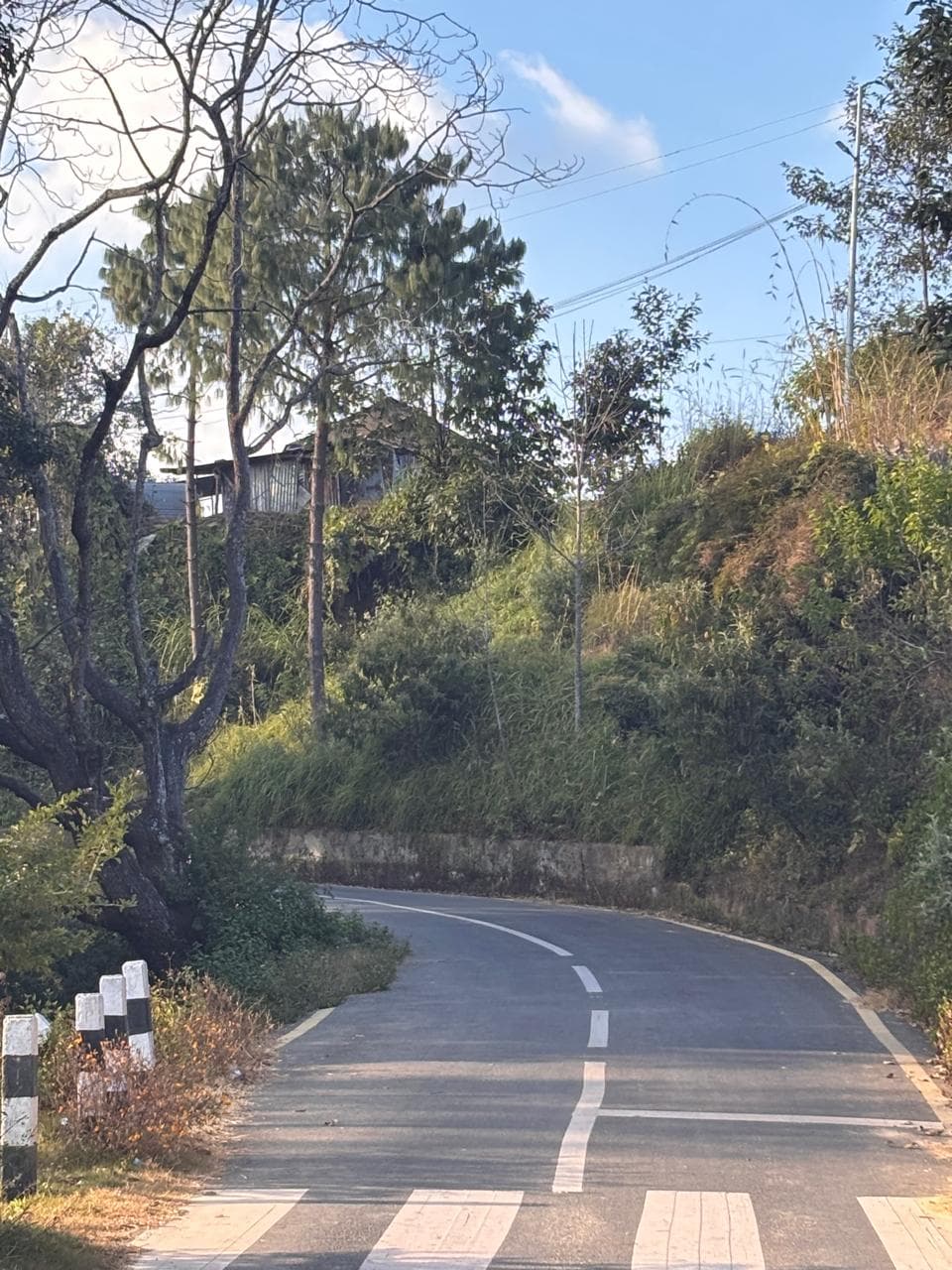
a quiet road
"A quiet road flanked by trees, where clean air and dappled sunlight slow the city’s pace."
A lone road stretches into the morning light, empty of cars, each side framed by a row of tall trees whose leaves murmur like quiet guardians. The air here tastes of green — cool,

A village without pollution
"a village does not need an air purifier for clean air"
Anshu woke each morning to cool, clear air after the village stopped open burning and switched to clean stoves and composting. Children played without coughing, the river ran clear
