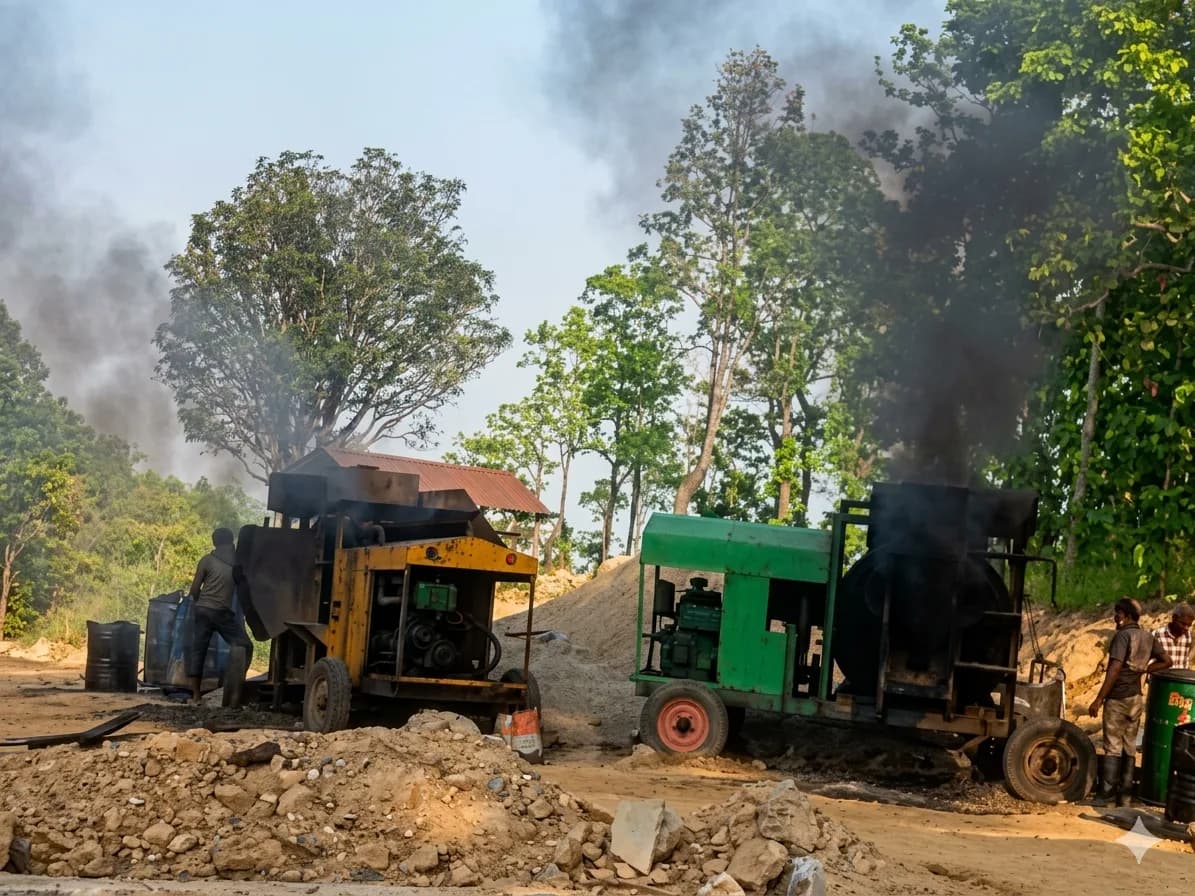
“Air pollution policy should cover all high-emission machinery, not just cars.”
Development's pollution
Nepal has approximately 19,000 km of paved (blacktopped) roads, suggesting that construction activities alone may have already contributed an estimated 57,000 tons of PM2.5-equivalent pollution.
However, policy discussions in Nepal tend to focus primarily on electric vehicles, while comparatively less attention is given to emissions from heavy machinery, asphalt plants, and road construction practices, which are also significant sources of air pollution.
Therefore, in addition to promoting EV adoption, the government should adopt a more balanced air quality strategy by prioritizing the regulation and modernization of construction equipment, asphalt production facilities, and road-building machinery to effectively reduce overall emissions.
Contributor
@sunarbj12345-40b4f978
Badge
SafaHawa Guardian
Continue browsing
Related memories
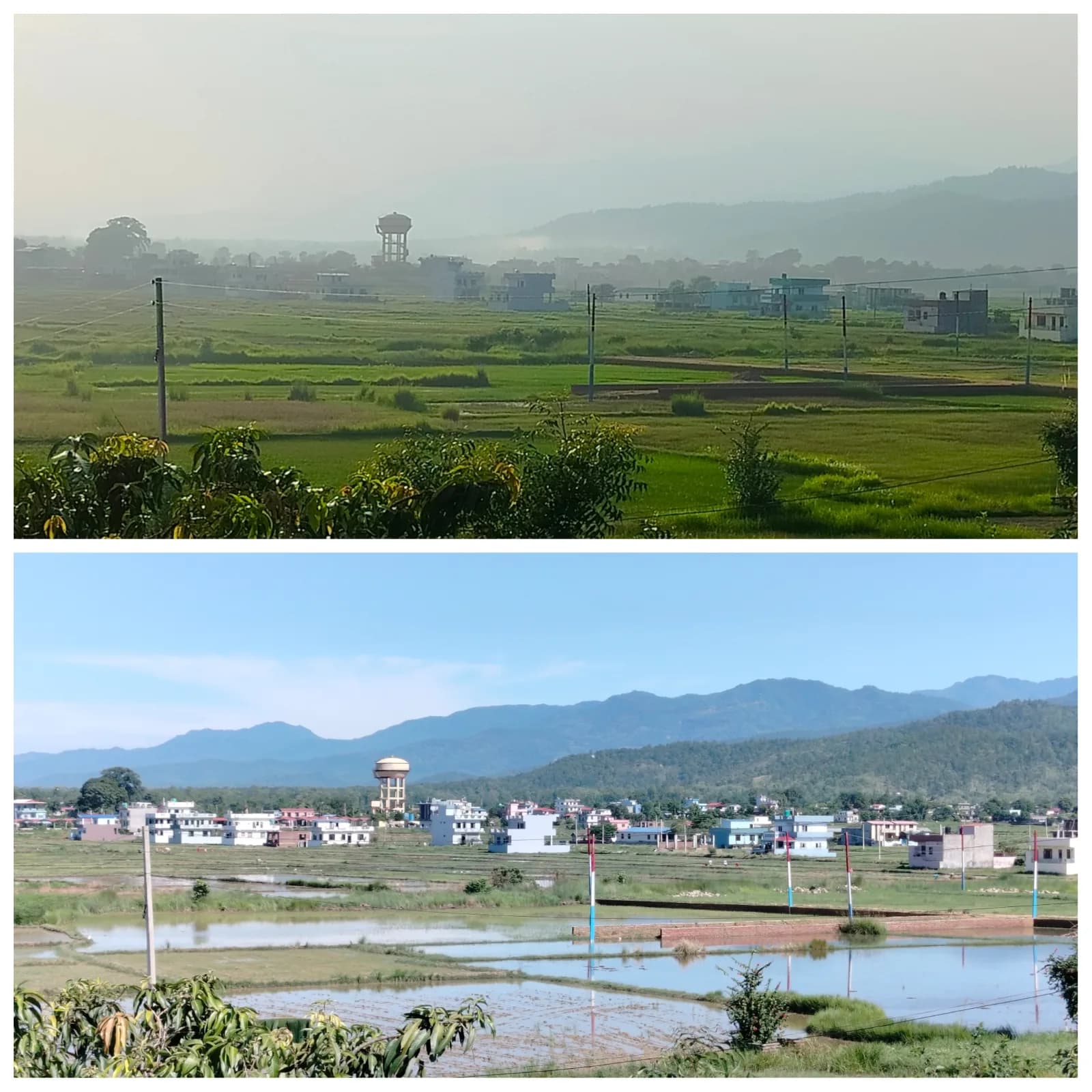
Nature is Healing
"The Rain Effect: The AQI of Sainamaina Dropped to 46 From 165. Massive Relief!!"
This two images of Sainamaina represents the massive change in air because of rainfall. The upper image, which I have already uploaded in Safahawa with the caption as "Rain Couldn'
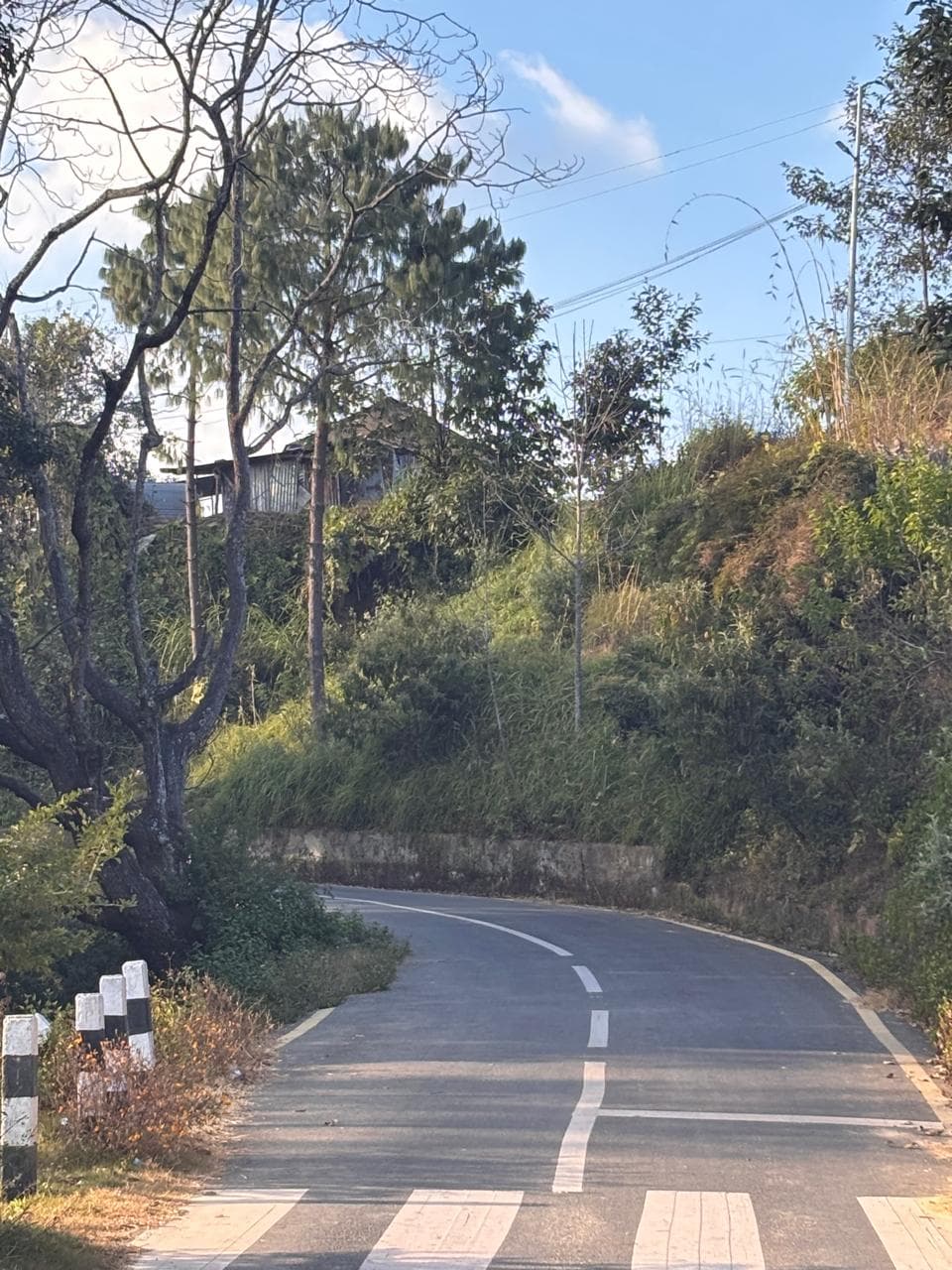
a quiet road
"A quiet road flanked by trees, where clean air and dappled sunlight slow the city’s pace."
A lone road stretches into the morning light, empty of cars, each side framed by a row of tall trees whose leaves murmur like quiet guardians. The air here tastes of green — cool,
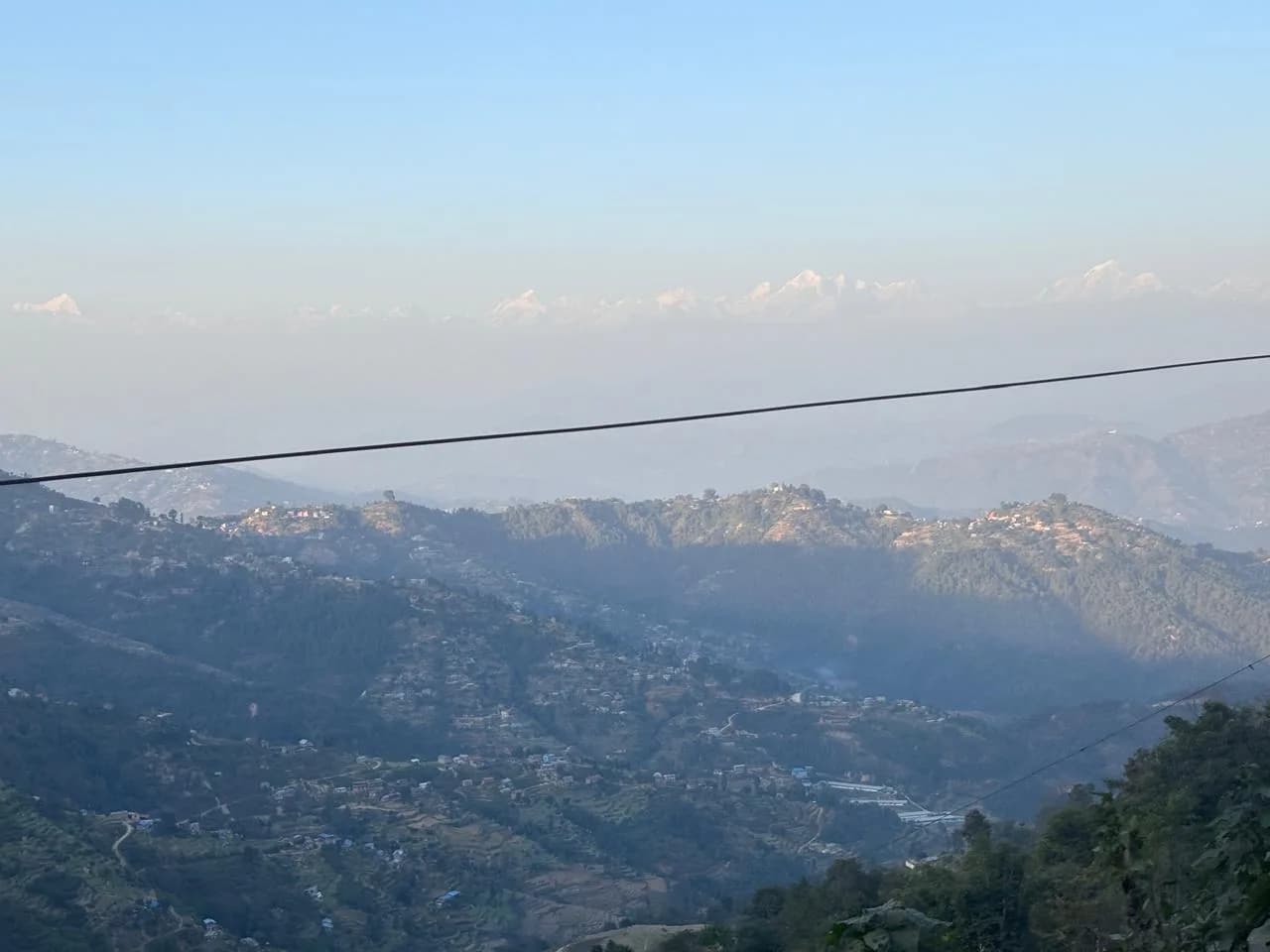
A village without pollution
"a village does not need an air purifier for clean air"
Anshu woke each morning to cool, clear air after the village stopped open burning and switched to clean stoves and composting. Children played without coughing, the river ran clear
