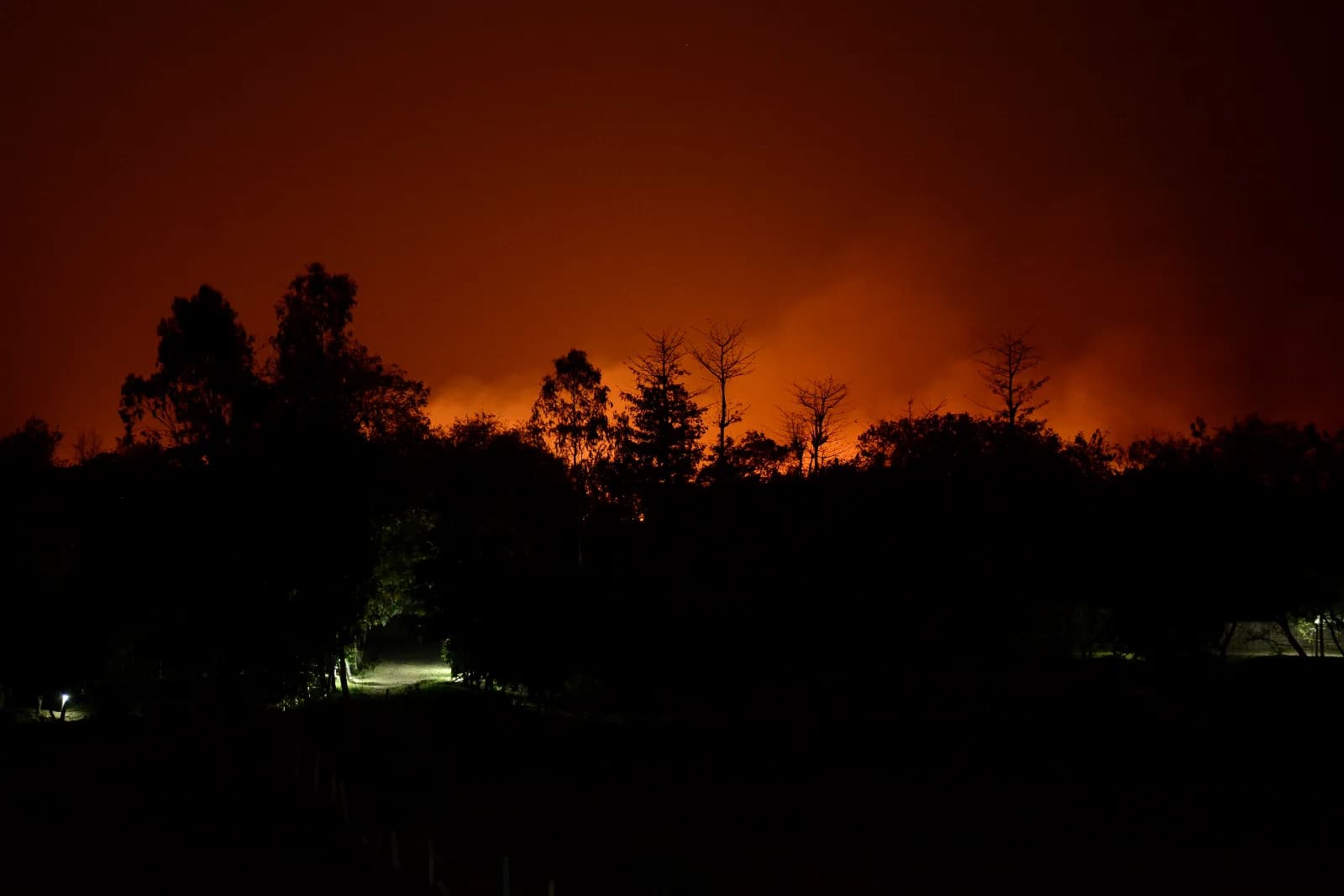
“Forest fires destroy more than trees—they erase habitats, threaten biodiversity, and pollute the air we breathe.”
Forest Fire
Forest fires in protected areas are not only destroying wildlife habitats but also worsening air pollution and threatening the balance of nature.
As flames spread through forests, countless animals and birds lose their homes, while many struggle to escape the smoke and heat.
The thick smoke released into the atmosphere pollutes the air, affecting both wildlife and nearby communities.
While some forest fires occur naturally due to lightning or extreme weather conditions, many are caused by human activities such as negligence, uncontrolled burning, or deliberate actions.
Regardless of the cause, the consequences are severe, leaving ecosystems damaged and living beings at risk. According to a report released by the Department of Forests and Soil Conservation, Nepal recorded 13,622 forest fire incidents between 2013 and 2026, highlighting forest fires as a major environmental challenge.
Director General Dhirendra Kumar Pradhan stressed the importance of coordinated action among federal, provincial, and local governments, community forest user groups, security forces, the private sector, media, and local communities to reduce the growing threat.
Protecting forests is not only about saving trees—it is about safeguarding wildlife, preserving clean air, and ensuring a healthier environment for future generations.
Contributor
@prachan2026
Badge
Clean Air Messenger
Continue browsing
Related memories
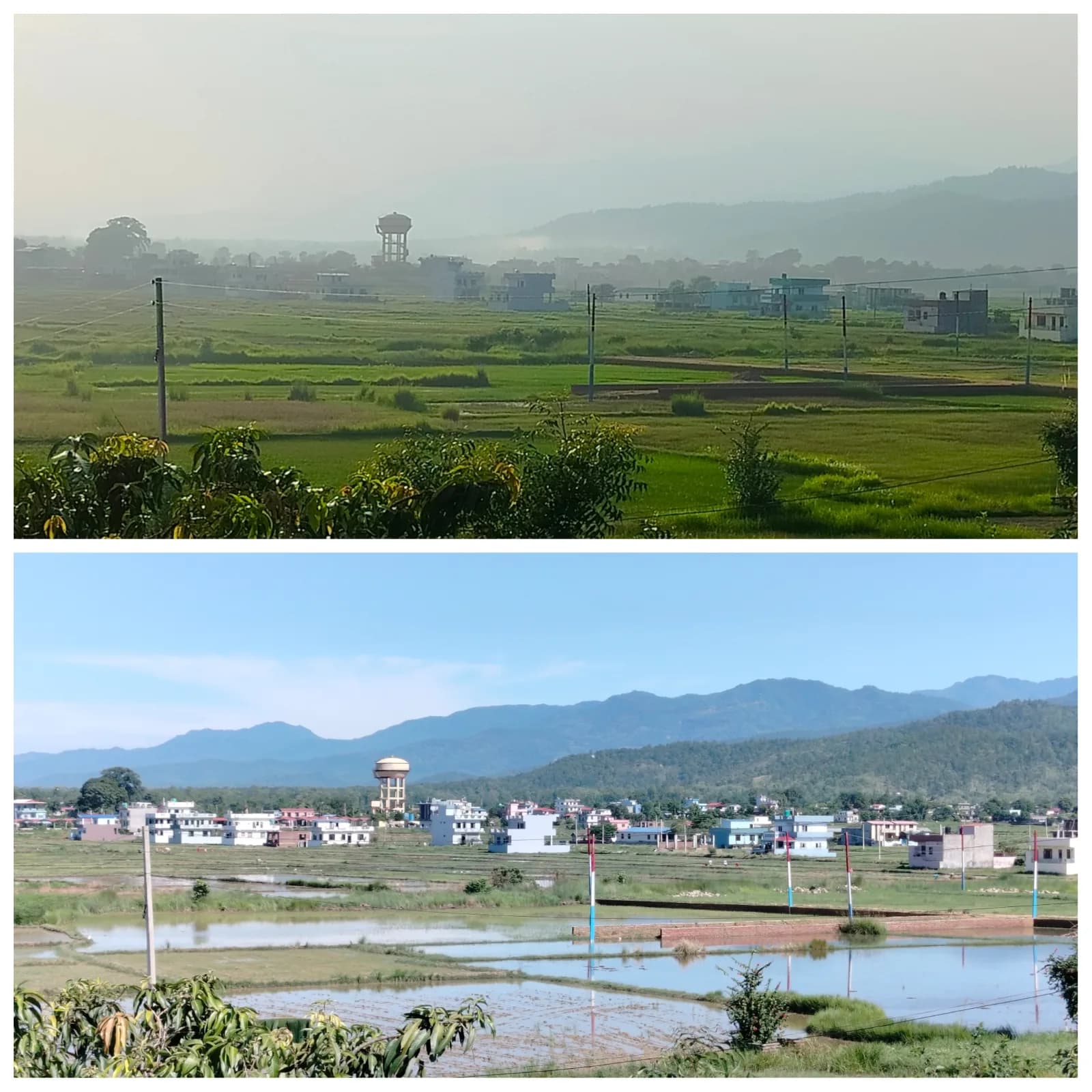
Nature is Healing
"The Rain Effect: The AQI of Sainamaina Dropped to 46 From 165. Massive Relief!!"
This two images of Sainamaina represents the massive change in air because of rainfall. The upper image, which I have already uploaded in Safahawa with the caption as "Rain Couldn'
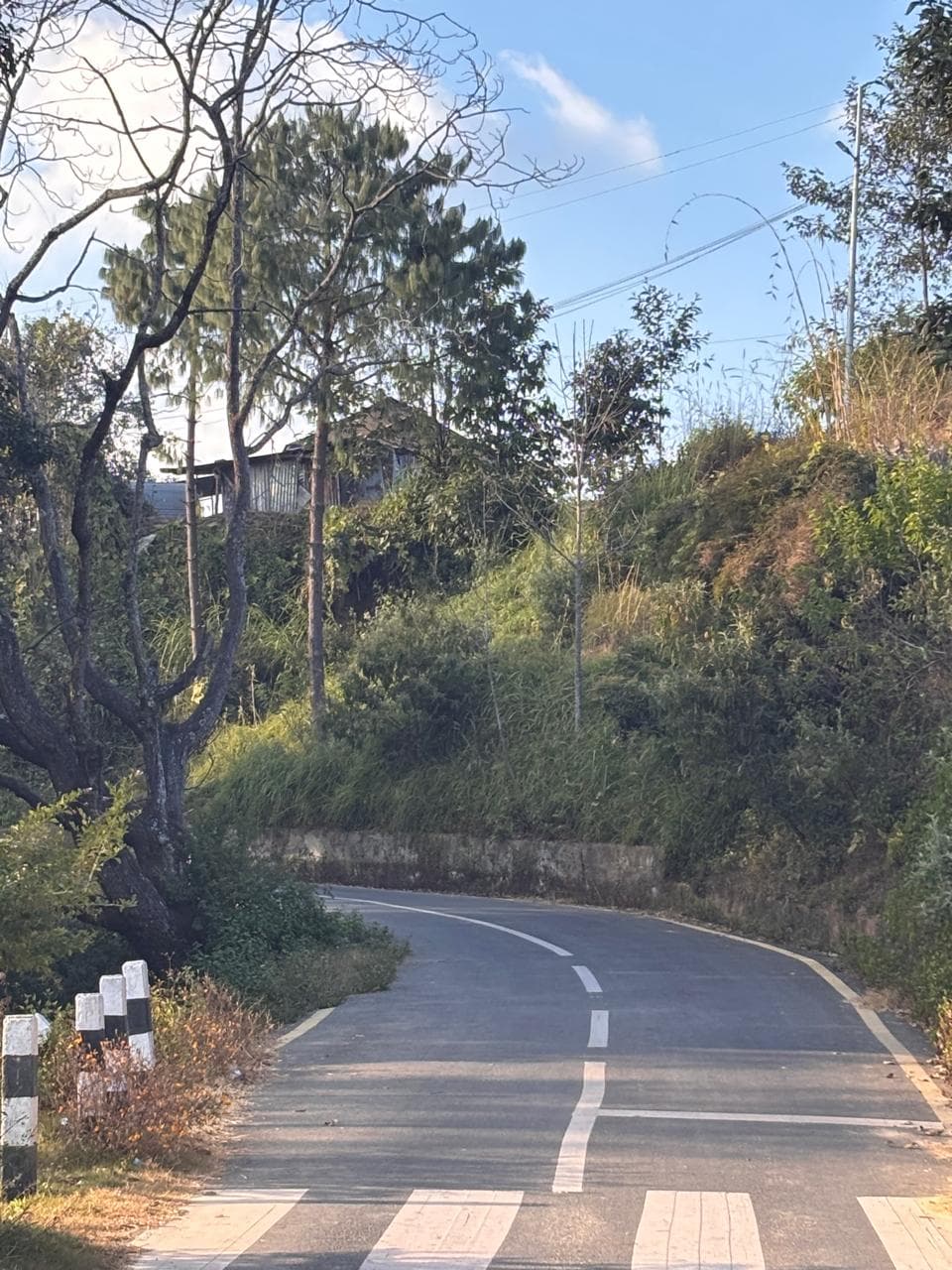
a quiet road
"A quiet road flanked by trees, where clean air and dappled sunlight slow the city’s pace."
A lone road stretches into the morning light, empty of cars, each side framed by a row of tall trees whose leaves murmur like quiet guardians. The air here tastes of green — cool,
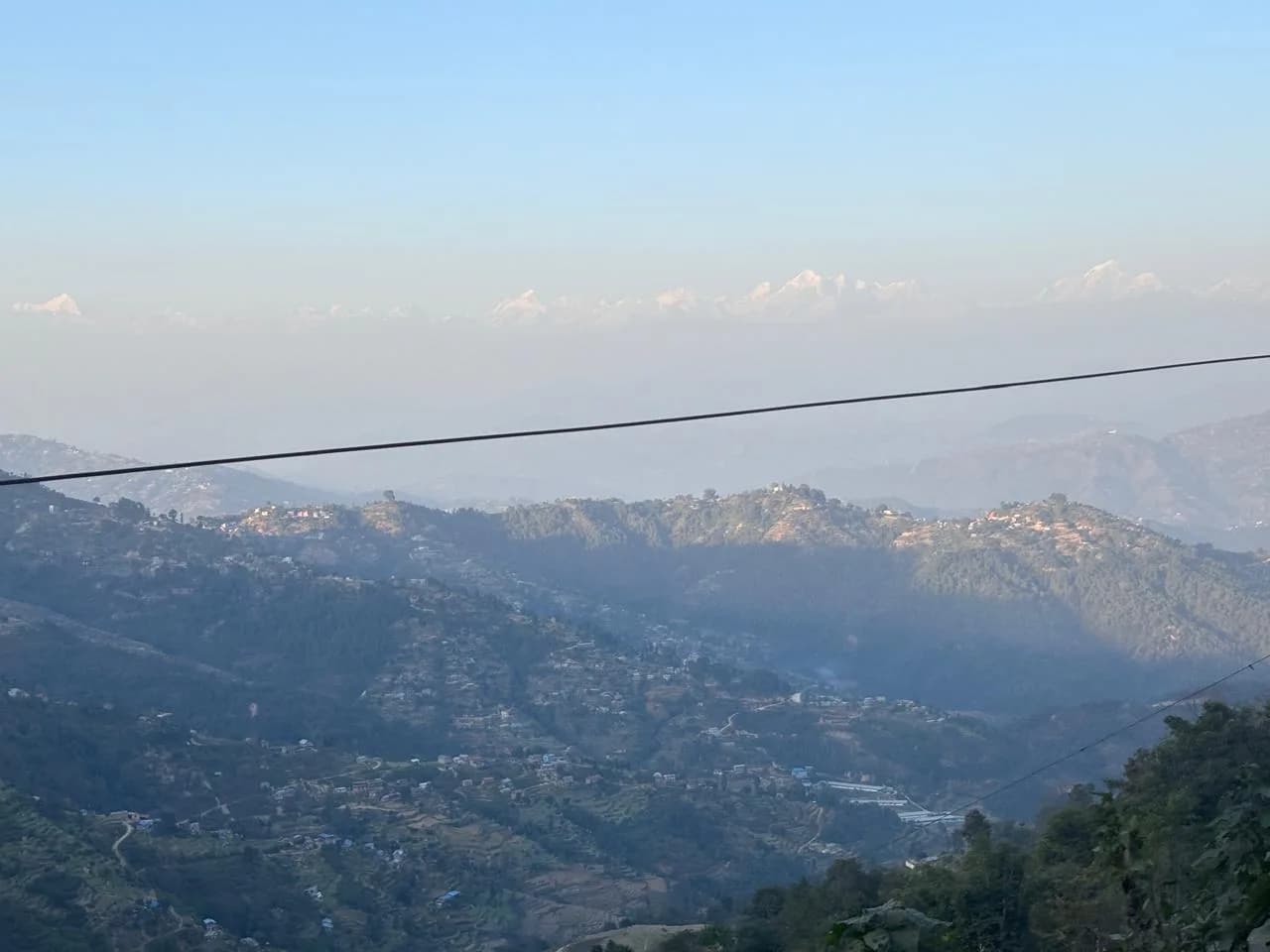
A village without pollution
"a village does not need an air purifier for clean air"
Anshu woke each morning to cool, clear air after the village stopped open burning and switched to clean stoves and composting. Children played without coughing, the river ran clear
