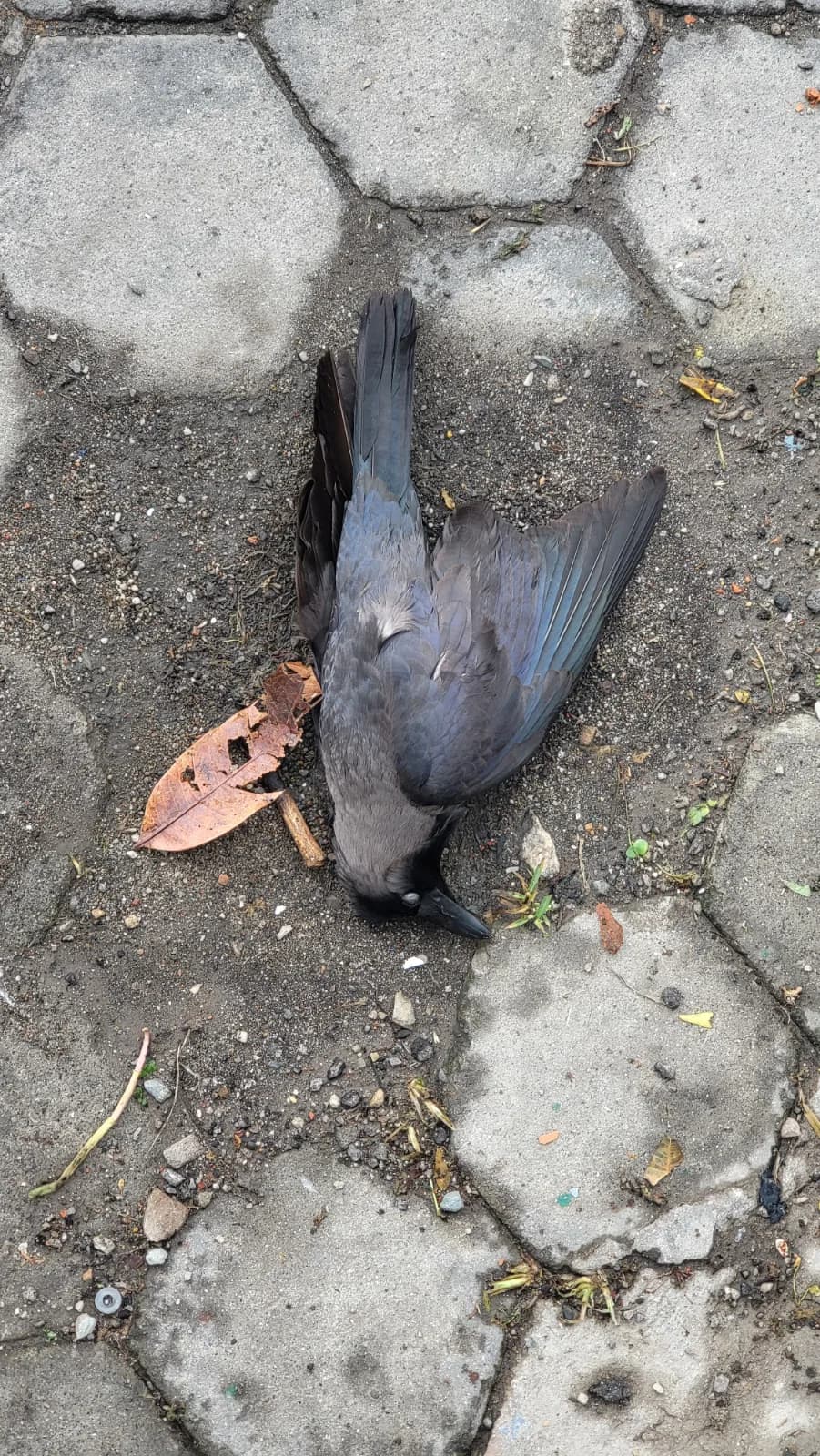
“When even the most adaptable struggle to stay afloat”
Free Fall
Growing up, I used to see sparrows and mynas every day.
Around the garden, in the nearby parks and besides the trees near my school.
Ten years later, and the trees they made their nest in and the small watering fountains all animals gathered are almost all gone.
Cut down for more road space or no longer maintained.
But they're still around, just not as many as there used to be.
Nowadays the skies are mainly dominated by crows and pigeons. Biodiversity in the valley has been slowly eroding, not just in birds but all species of animals which lived long ago here in the valley.
What remain are opportunistic, scavenger animals; rats, mice, crows, pigeons, cockroaches.
They reproduce in numbers that nothing else here can match, and the result is infestations and disease spreading across the valley. These are the animals a rapidly growing city produces.
Kathmandu has more people than it has ever had, and less of everything else.
Contributor
@arnavmaharjanole-a389309e
Badge
Haze Watcher
Continue browsing
Related memories
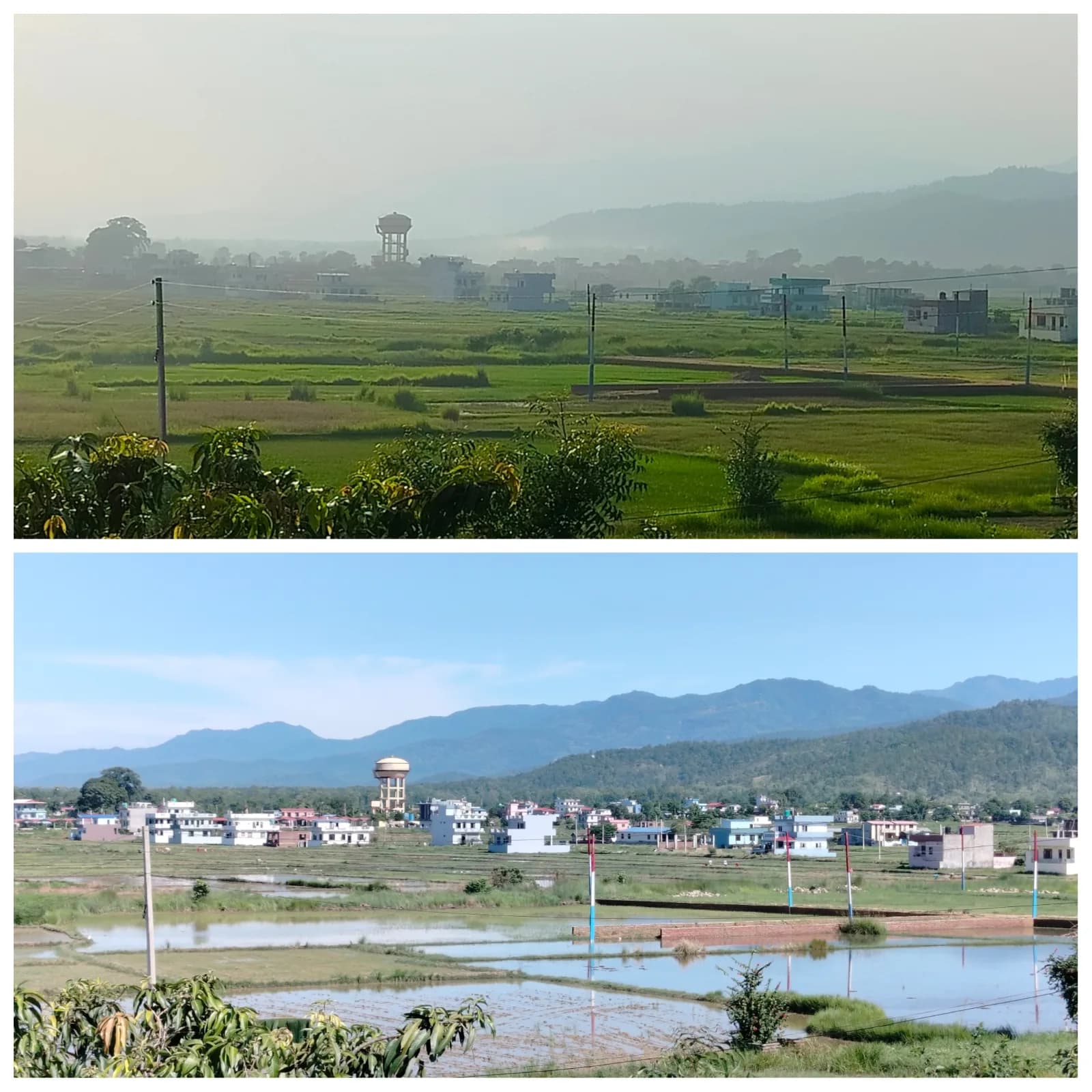
Nature is Healing
"The Rain Effect: The AQI of Sainamaina Dropped to 46 From 165. Massive Relief!!"
This two images of Sainamaina represents the massive change in air because of rainfall. The upper image, which I have already uploaded in Safahawa with the caption as "Rain Couldn'
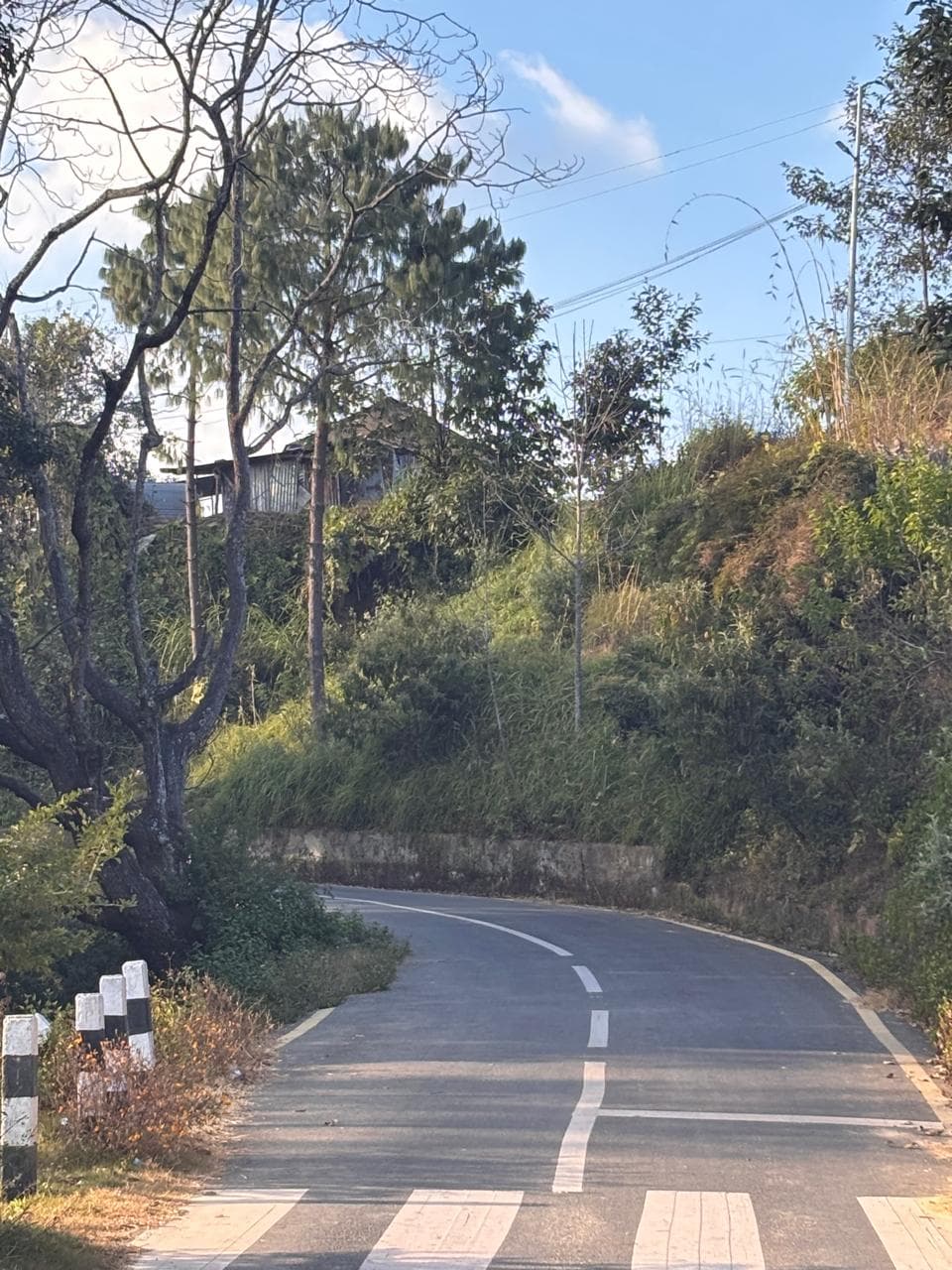
a quiet road
"A quiet road flanked by trees, where clean air and dappled sunlight slow the city’s pace."
A lone road stretches into the morning light, empty of cars, each side framed by a row of tall trees whose leaves murmur like quiet guardians. The air here tastes of green — cool,
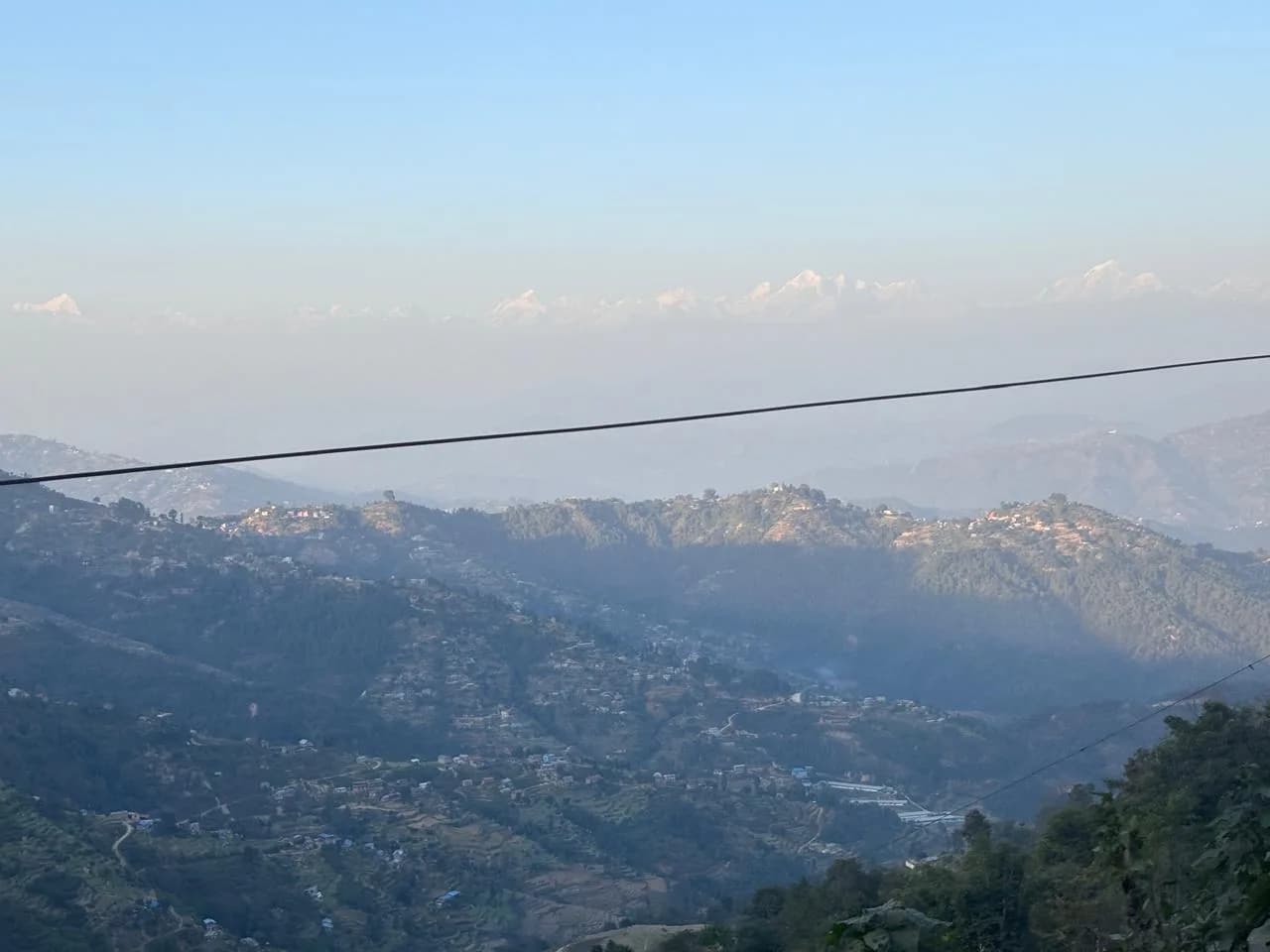
A village without pollution
"a village does not need an air purifier for clean air"
Anshu woke each morning to cool, clear air after the village stopped open burning and switched to clean stoves and composting. Children played without coughing, the river ran clear
