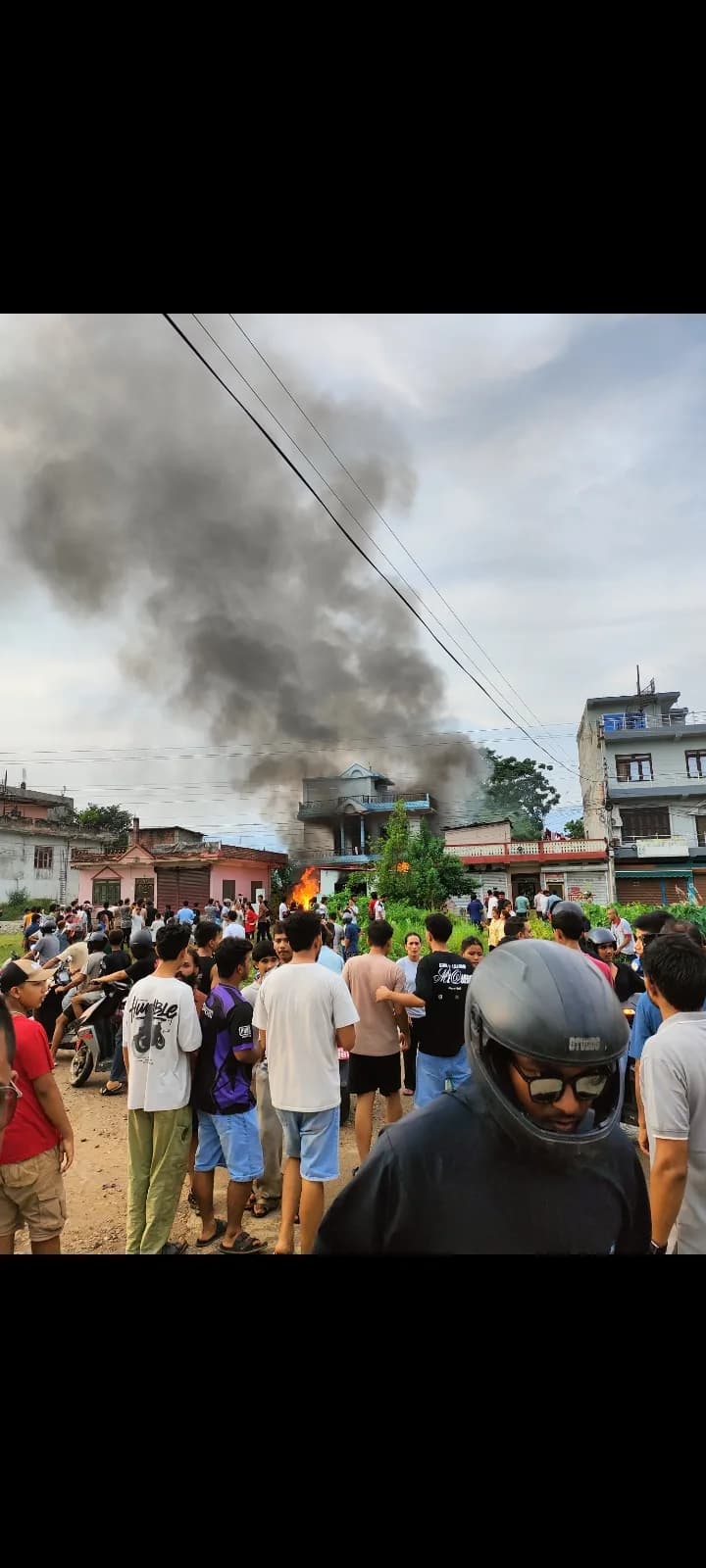
“Impact of Gen-z protest on the environment”
Genz protest and pollution
The incidents of arson during Nepal's Gen Z movement had serious environmental impacts in addition to their political and economic consequences.
According to preliminary government assessments, 440 government buildings were damaged across the country, of which 134 were completely destroyed by fire.
In addition, thousands of vehicles, private businesses, and other structures were also set on fire.
The burning of buildings, vehicles, plastics, rubber, furniture, paper, and petroleum products releases large amounts of PM2.5, carbon dioxide, carbon monoxide, nitrogen oxides, and other toxic pollutants into the atmosphere.
Based on available environmental studies, it is estimated that the complete destruction of 134 government buildings alone may have released between 70 and 270 tons of PM2.5, although no official scientific assessment has yet been conducted.
Air pollution levels in the Kathmandu Valley also increased significantly during the movement.
According to data from the Department of Environment, PM2.5 concentrations in the Ratnapark area exceeded the safe limits recommended by the World Health Organization.
Such incidents of arson not only worsen air quality but can also have long-term negative effects on soil, water resources, and public health.
Toxic ash and chemicals released from burned vehicles and structures may be washed into rivers and land during rainfall, creating further environmental risks.
Therefore, the environmental and public health consequences of arson during protests and demonstrations must be carefully considered, and greater efforts should be made to prevent such destruction in the future.
Contributor
Anonymous contributor
Public profile hidden for privacy
Continue browsing
Related memories
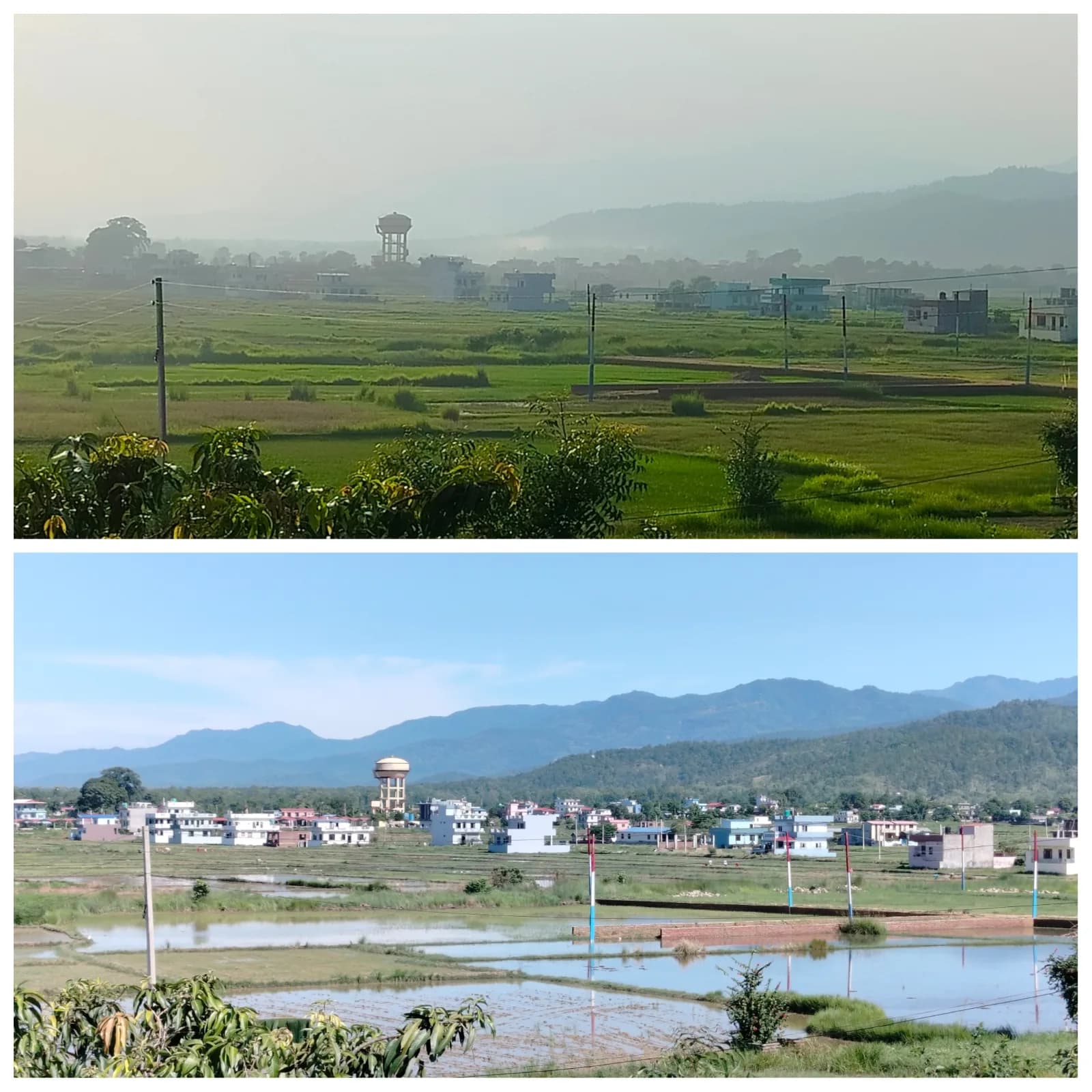
Nature is Healing
"The Rain Effect: The AQI of Sainamaina Dropped to 46 From 165. Massive Relief!!"
This two images of Sainamaina represents the massive change in air because of rainfall. The upper image, which I have already uploaded in Safahawa with the caption as "Rain Couldn'
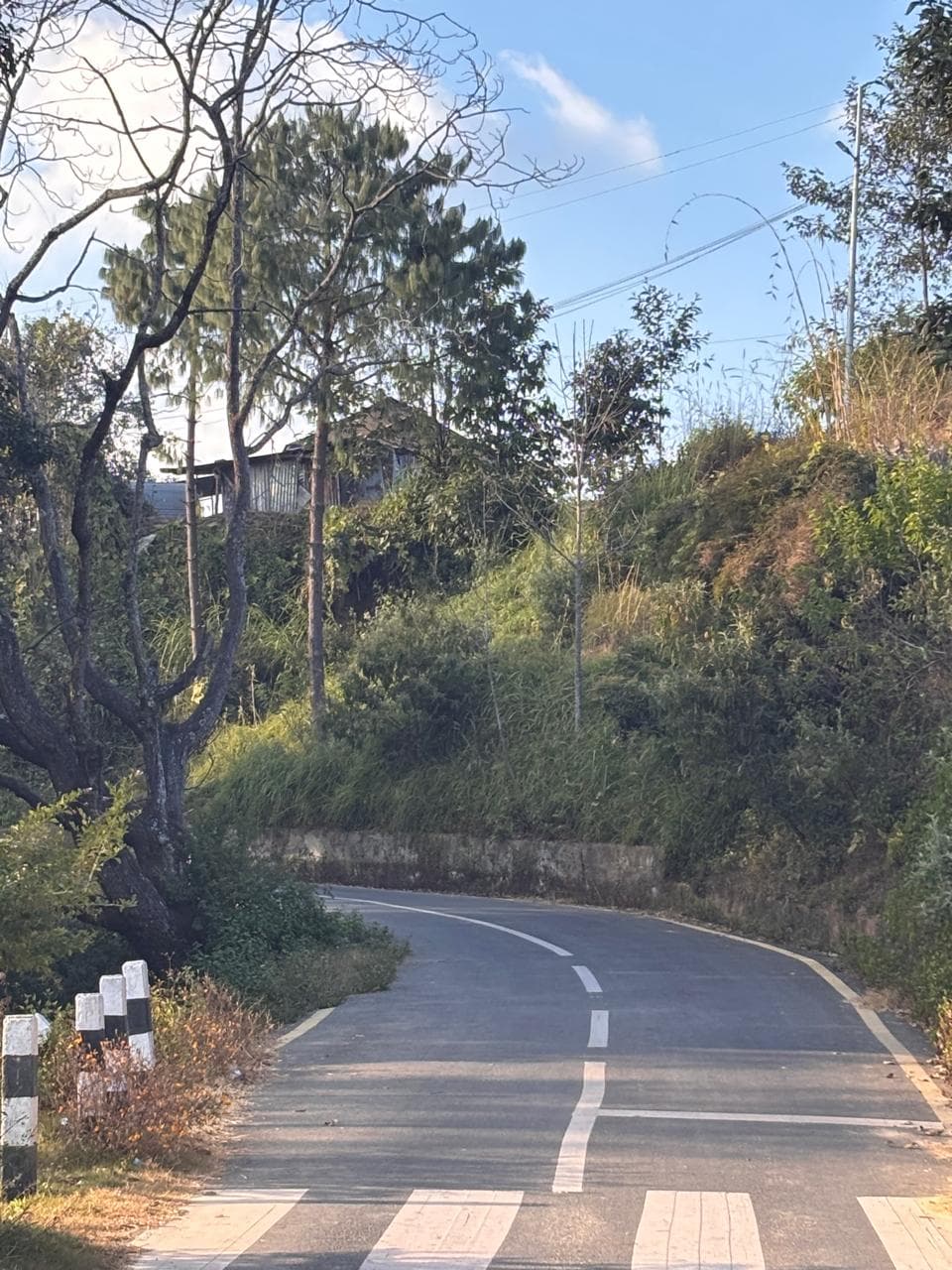
a quiet road
"A quiet road flanked by trees, where clean air and dappled sunlight slow the city’s pace."
A lone road stretches into the morning light, empty of cars, each side framed by a row of tall trees whose leaves murmur like quiet guardians. The air here tastes of green — cool,
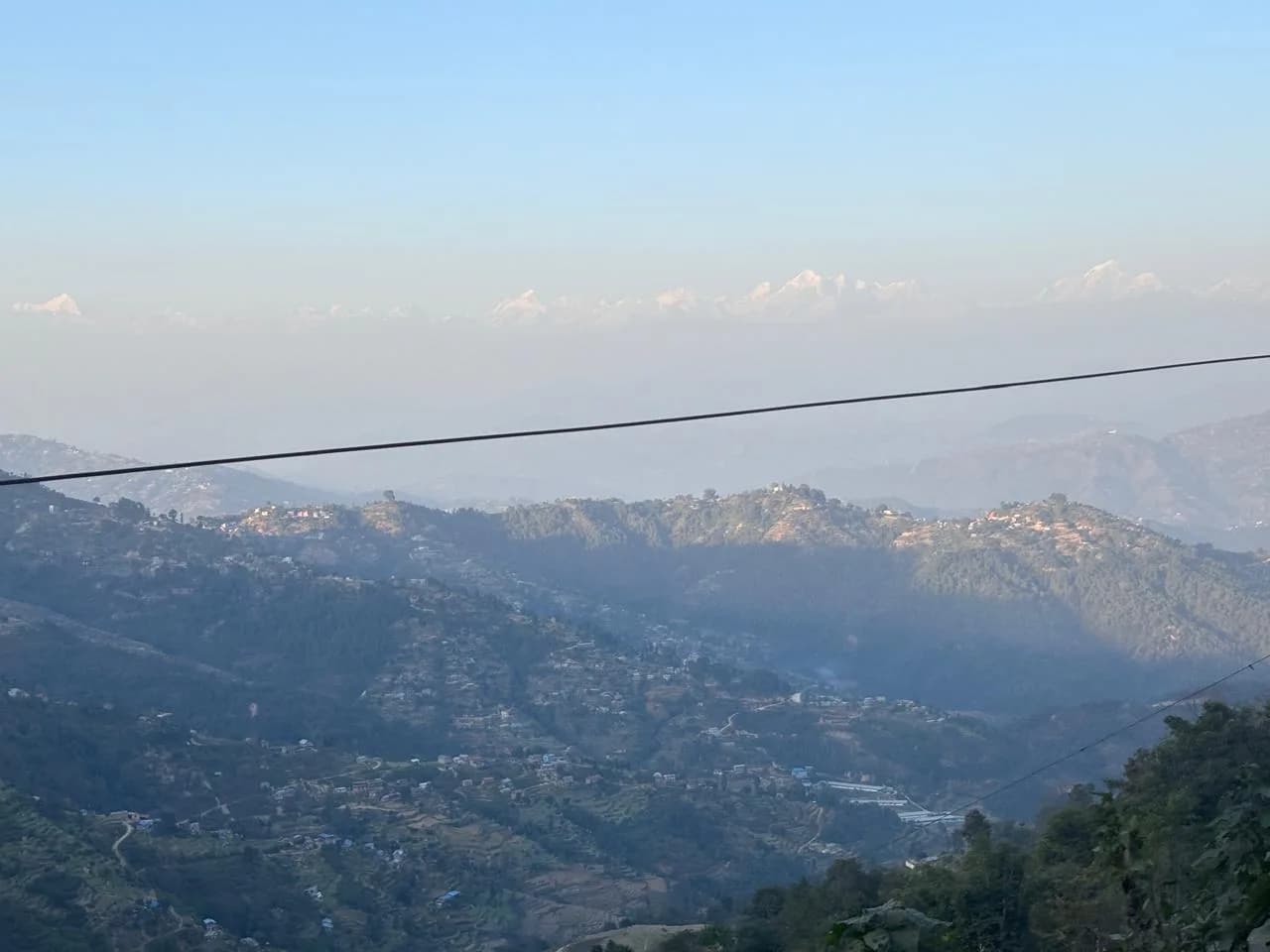
A village without pollution
"a village does not need an air purifier for clean air"
Anshu woke each morning to cool, clear air after the village stopped open burning and switched to clean stoves and composting. Children played without coughing, the river ran clear
