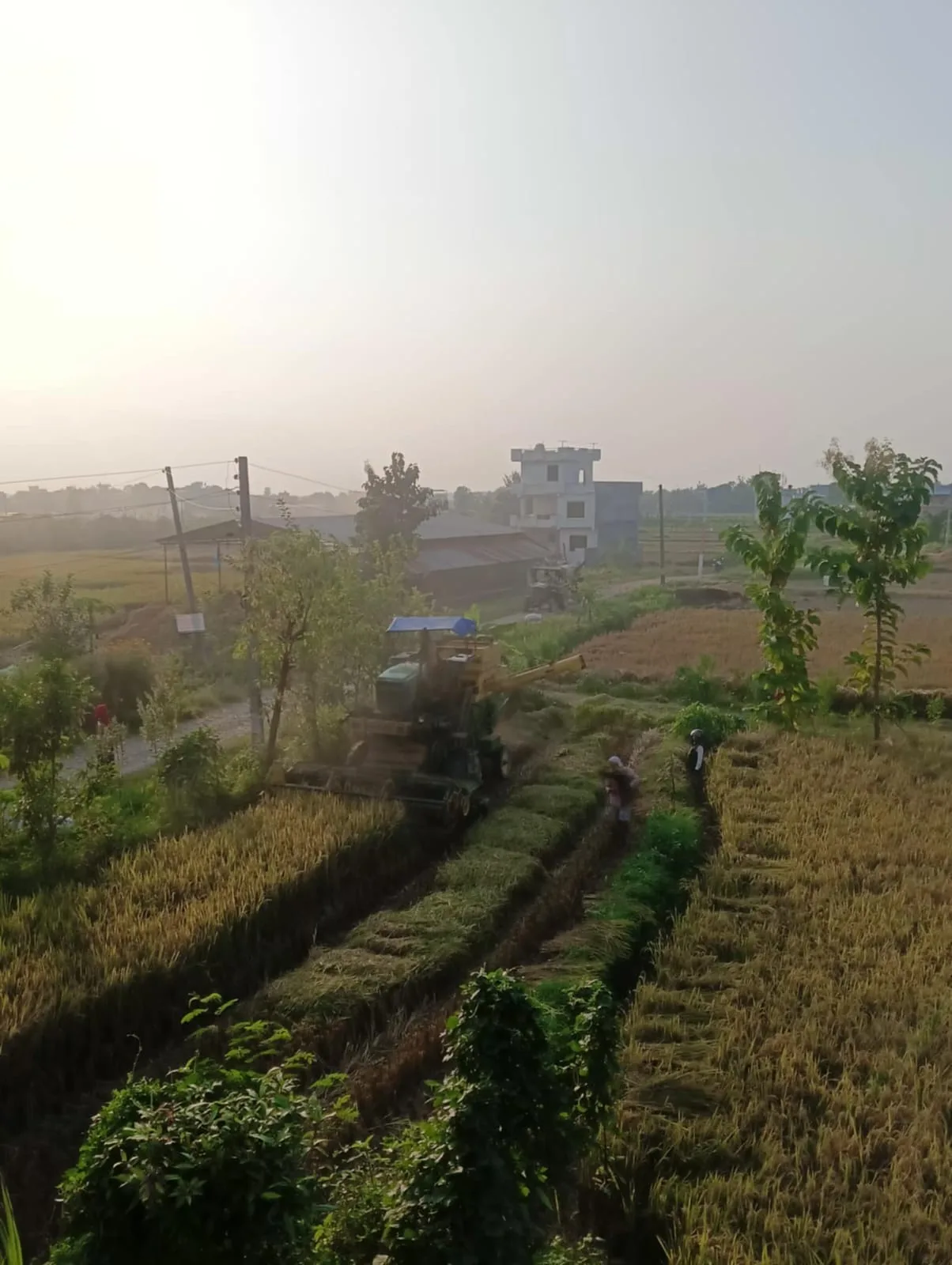
“Golden fields, blurred skies, and the hidden quiet cost of harvest”
Harvesting Haze
The golden paddy field dancing along the gentle wind is one of the underrated beauty of the landscapes in Terai. Yet every September, large modern machinery used during harvesting disrupts this beauty.
These machines make harvesting faster and more efficient on large farms.
However, they release thick clouds of dust and fine hay particles in the air for days after the harvest.
As harvesting continues across multiple fields, these particles create a visible haze that settles in the landscapes of Terai. Thousands of farmers across the country breathe air filled with dust and fine particles during every harvest season.
And, these people who work so hard to grow the rice we consume often have to deal with itchy skin, allergies, irritated eyes, cold and cough because of the direct exposure to such a huge amount of concentrated dust. Agricultural pollution in Nepal still receives far less attention than it deserves.
Perhaps it’s time for us to understand that sometimes air pollution rises quietly from the very fields that feed us.
Contributor
@panthipurnima
Badge
SafaHawa Guardian
Continue browsing
Related memories
Nature is Healing
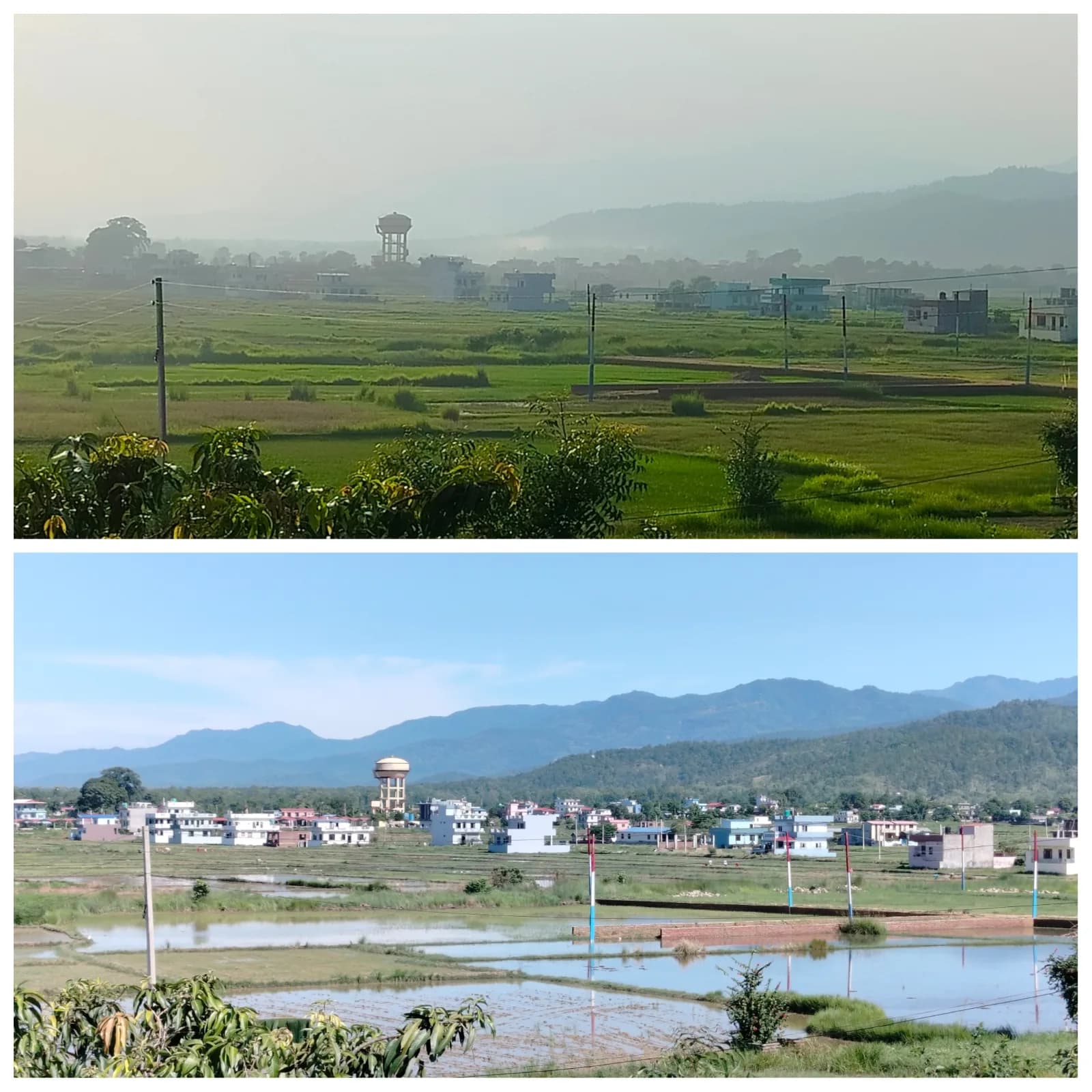
"The Rain Effect: The AQI of Sainamaina Dropped to 46 From 165. Massive Relief!!"
This two images of Sainamaina represents the massive change in air because of rainfall. The upper image, which I have already uploaded in Safahawa with the caption as "Rain Couldn'
a quiet road
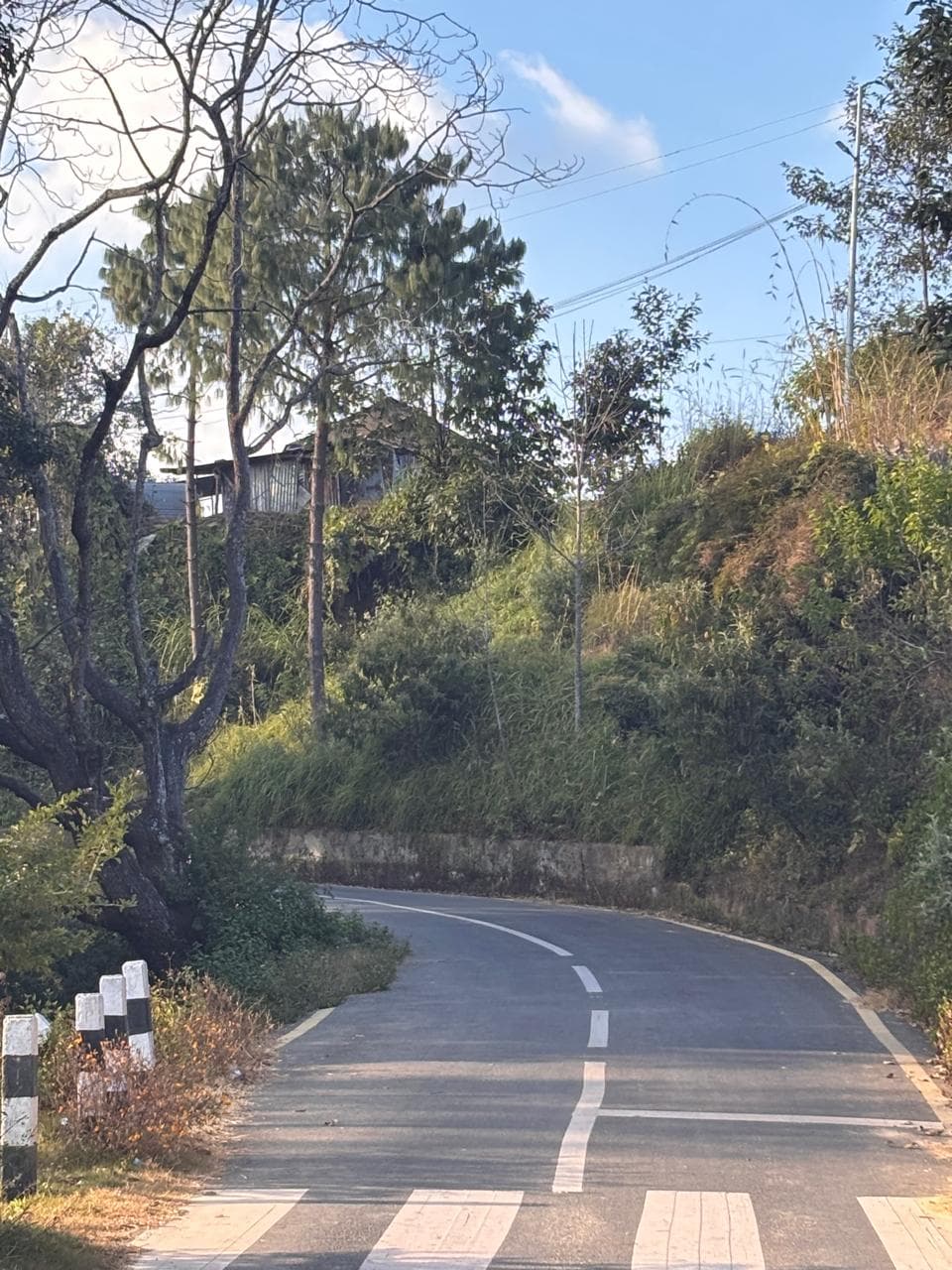
"A quiet road flanked by trees, where clean air and dappled sunlight slow the city’s pace."
A lone road stretches into the morning light, empty of cars, each side framed by a row of tall trees whose leaves murmur like quiet guardians. The air here tastes of green — cool,
A village without pollution
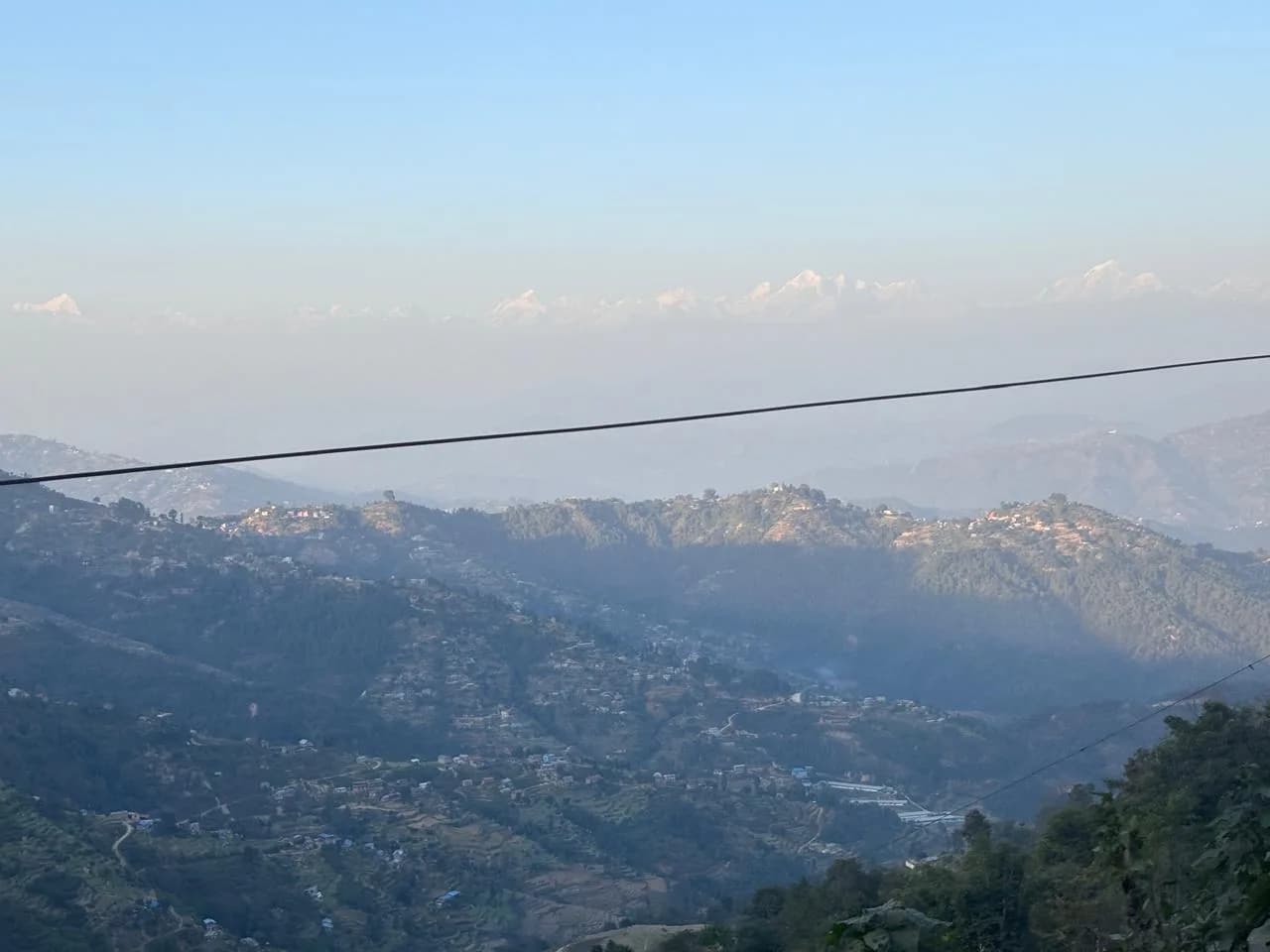
"a village does not need an air purifier for clean air"
Anshu woke each morning to cool, clear air after the village stopped open burning and switched to clean stoves and composting. Children played without coughing, the river ran clear
