“When Someone Else's Waste Becomes Your Problem”
Hidden Air Pollutants
This is the story of my friend Manish, who lives in Kathmandu.
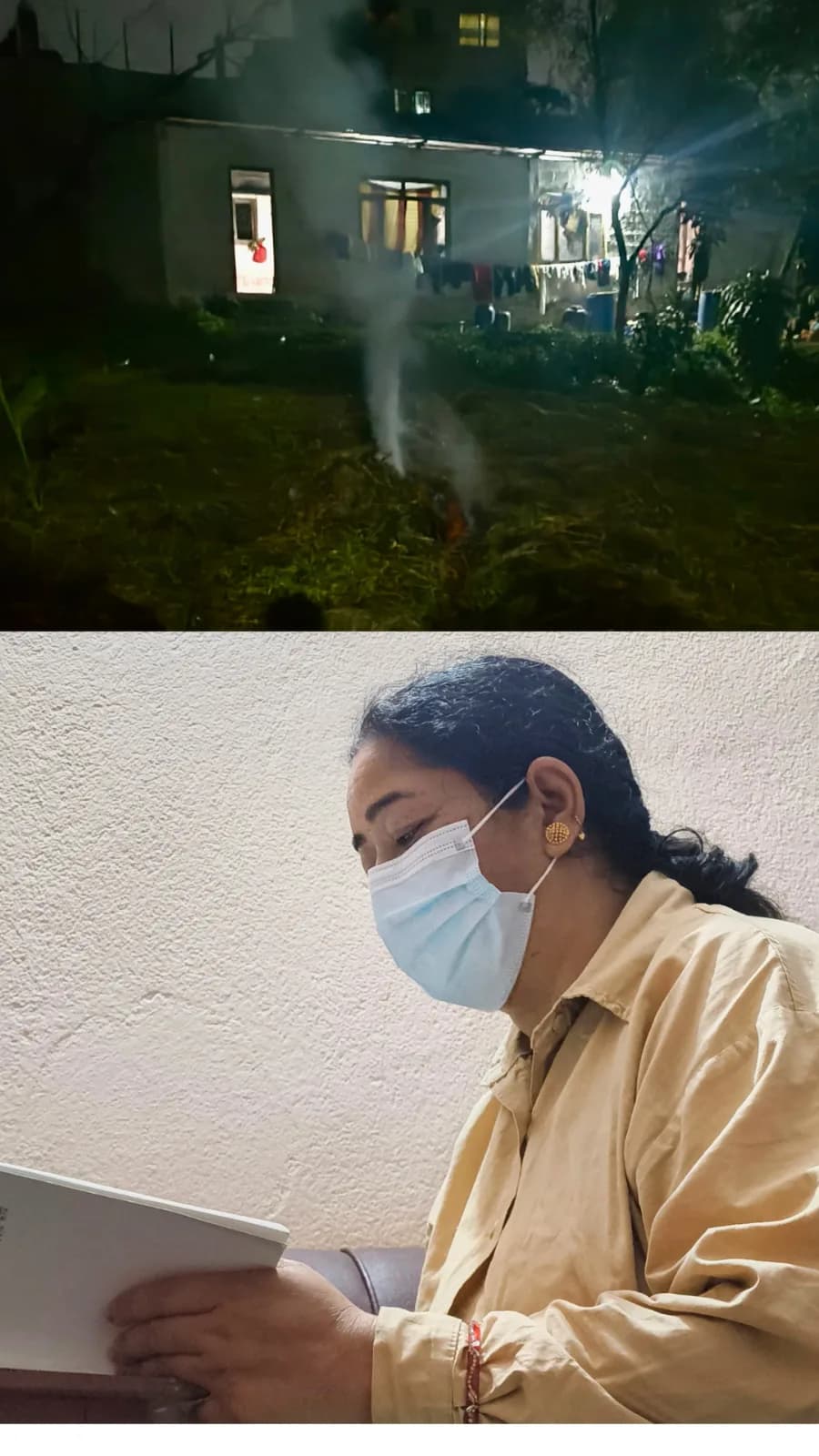
He often experiences burning eyes and has to breathe hot, smelly air at night because some people in his neighborhood burn plastic waste and green plants. Many of them may not be aware of air pollution or its harmful effects.
As a result, they burn plastics and other waste materials without realizing how much it affects the people living nearby.
The smoke spreads through the neighborhood, making the air difficult to breathe.
Manish told me that his mother always wears a mask whenever this happens, even while staying inside the house. Open waste burning is one of the most underestimated sources of air pollution in Nepal.
Burning plastics and household waste releases toxic chemicals such as dioxins, furans, lead, and mercury into the air.
These pollutants can cause respiratory diseases, eye irritation, heart problems, and other long-term health complications.
The smoke also releases fine particulate matter (PM2.5), which contributes significantly to the smog that affects cities like Kathmandu. Although local governments have banned open waste burning and imposed fines, some people still do not follow the rules.
What may seem like a simple way to dispose of waste can have serious consequences for the health of an entire community. This is not just Manish's story but a reality faced by many families across Nepal who are forced to breathe polluted air because of the actions of others.
Contributor
@zennishah555-ba4664a7
Badge
SafaHawa Guardian
Continue browsing
Related memories
Nature is Healing
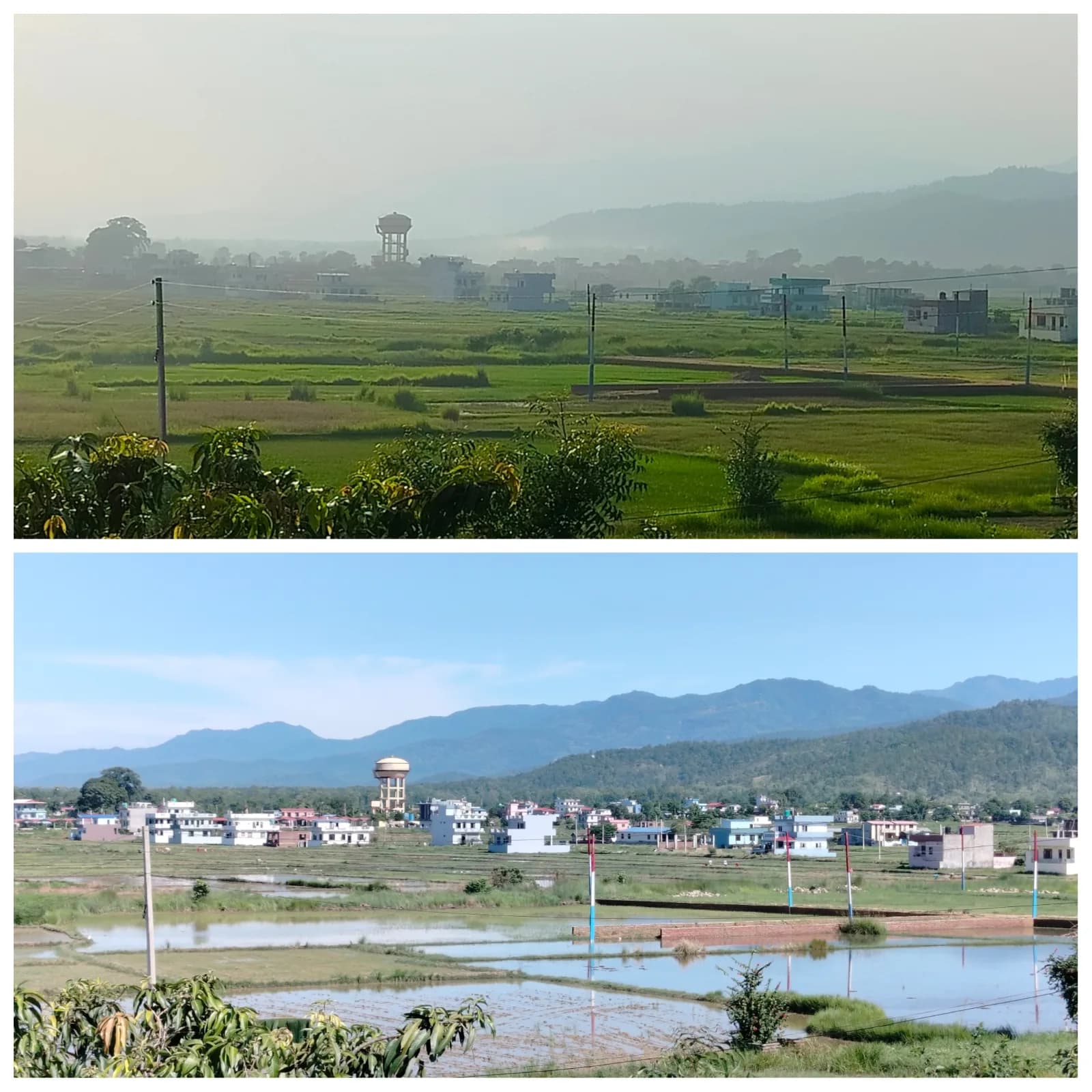
"The Rain Effect: The AQI of Sainamaina Dropped to 46 From 165. Massive Relief!!"
This two images of Sainamaina represents the massive change in air because of rainfall. The upper image, which I have already uploaded in Safahawa with the caption as "Rain Couldn'
a quiet road
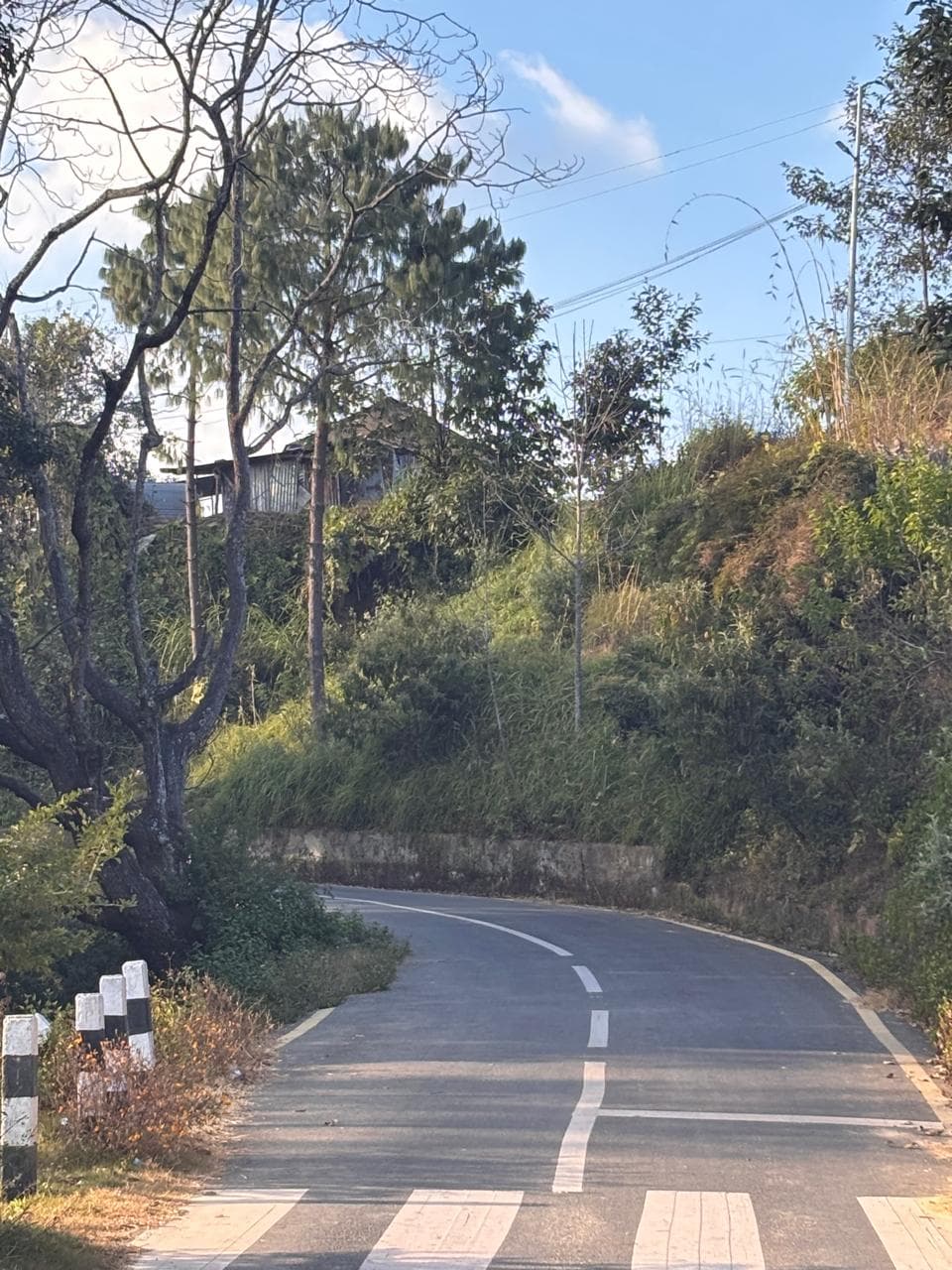
"A quiet road flanked by trees, where clean air and dappled sunlight slow the city’s pace."
A lone road stretches into the morning light, empty of cars, each side framed by a row of tall trees whose leaves murmur like quiet guardians. The air here tastes of green — cool,
A village without pollution
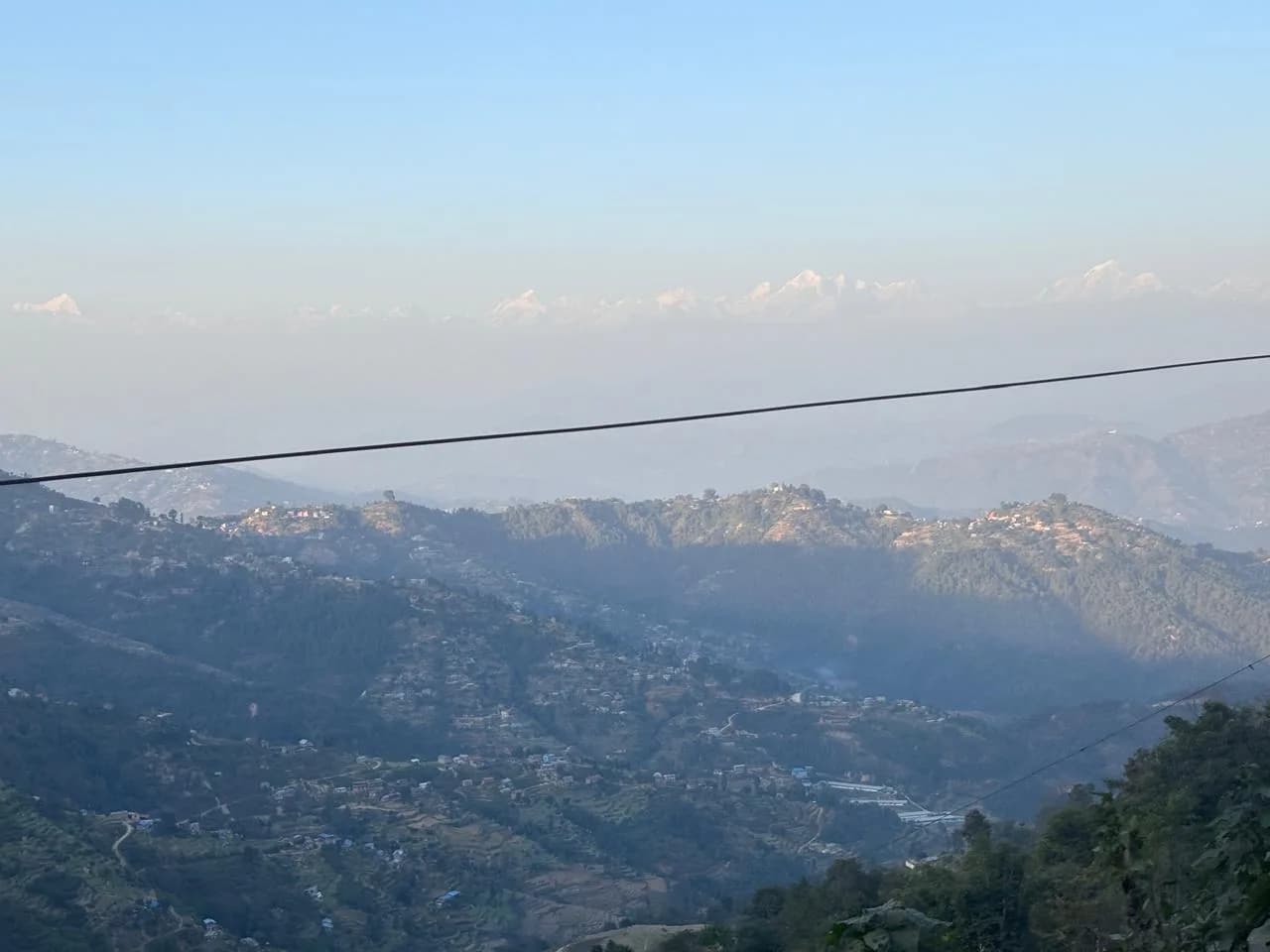
"a village does not need an air purifier for clean air"
Anshu woke each morning to cool, clear air after the village stopped open burning and switched to clean stoves and composting. Children played without coughing, the river ran clear
