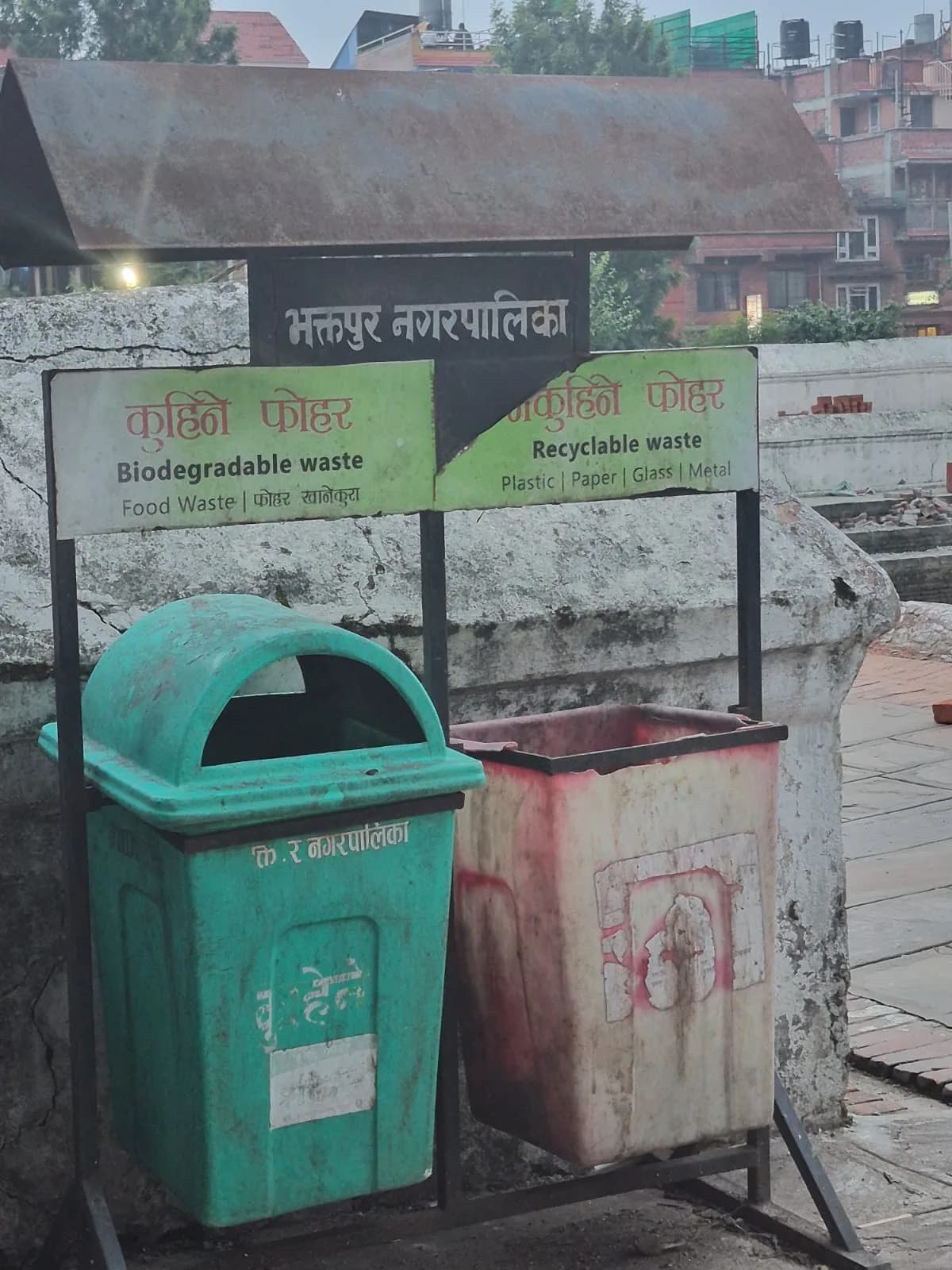
“We separate our waste into two bins. But when the air is polluted, our lungs become the third bin.”
Lungs - Our Third Bin
When I saw these two bins, I smiled because they reminded people to separate biodegradable and recyclable waste.
Then another thought came to my mind. We have bins for our garbage, but where does polluted air go? The answer is unsettling.
It ends up inside us.
Every breath carries tiny particles that our lungs are forced to collect.
In a way, our bodies become the third bin, storing the pollution that should never have been in the air in the first place. Waste segregation is a simple habit, but it has a much bigger purpose.
When we manage waste responsibly, we reduce burning, pollution, and the harmful particles released into the air. Protecting clean air starts long before we take our next breath.
Sometimes, it begins with choosing the right bin.
Contributor
@shanjelaarya3
Badge
SafaHawa Guardian
Continue browsing
Related memories
Nature is Healing
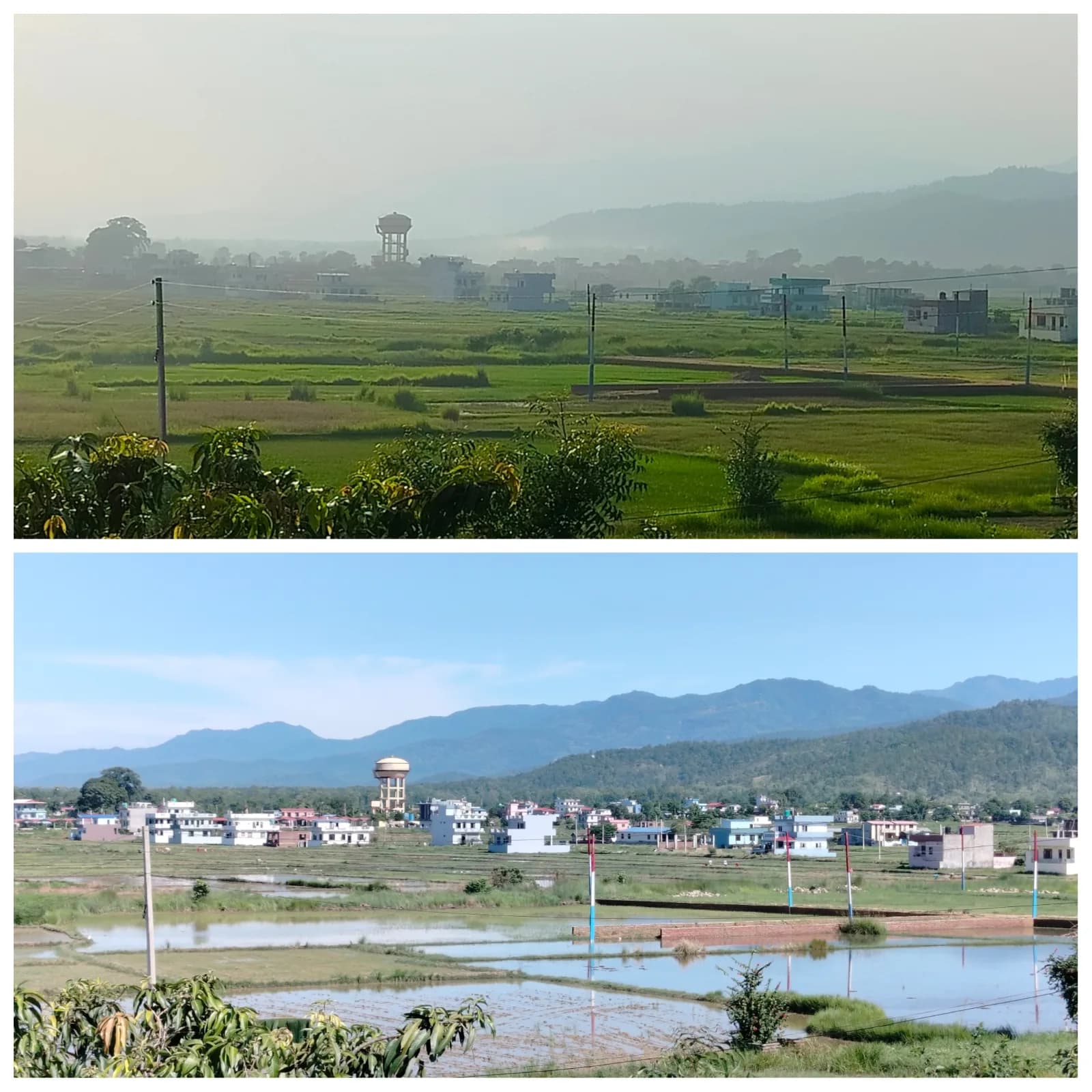
"The Rain Effect: The AQI of Sainamaina Dropped to 46 From 165. Massive Relief!!"
This two images of Sainamaina represents the massive change in air because of rainfall. The upper image, which I have already uploaded in Safahawa with the caption as "Rain Couldn'
a quiet road
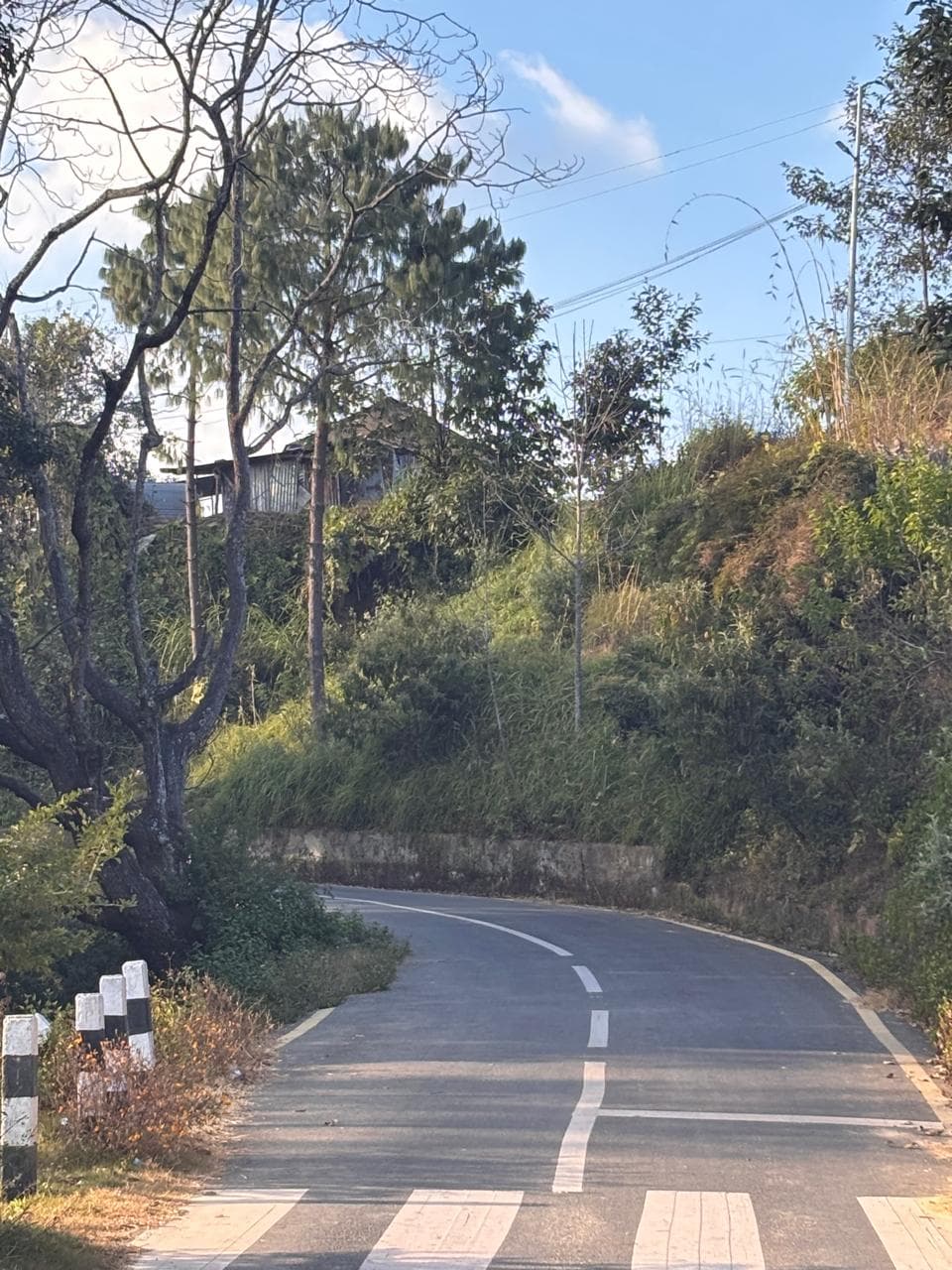
"A quiet road flanked by trees, where clean air and dappled sunlight slow the city’s pace."
A lone road stretches into the morning light, empty of cars, each side framed by a row of tall trees whose leaves murmur like quiet guardians. The air here tastes of green — cool,
A village without pollution
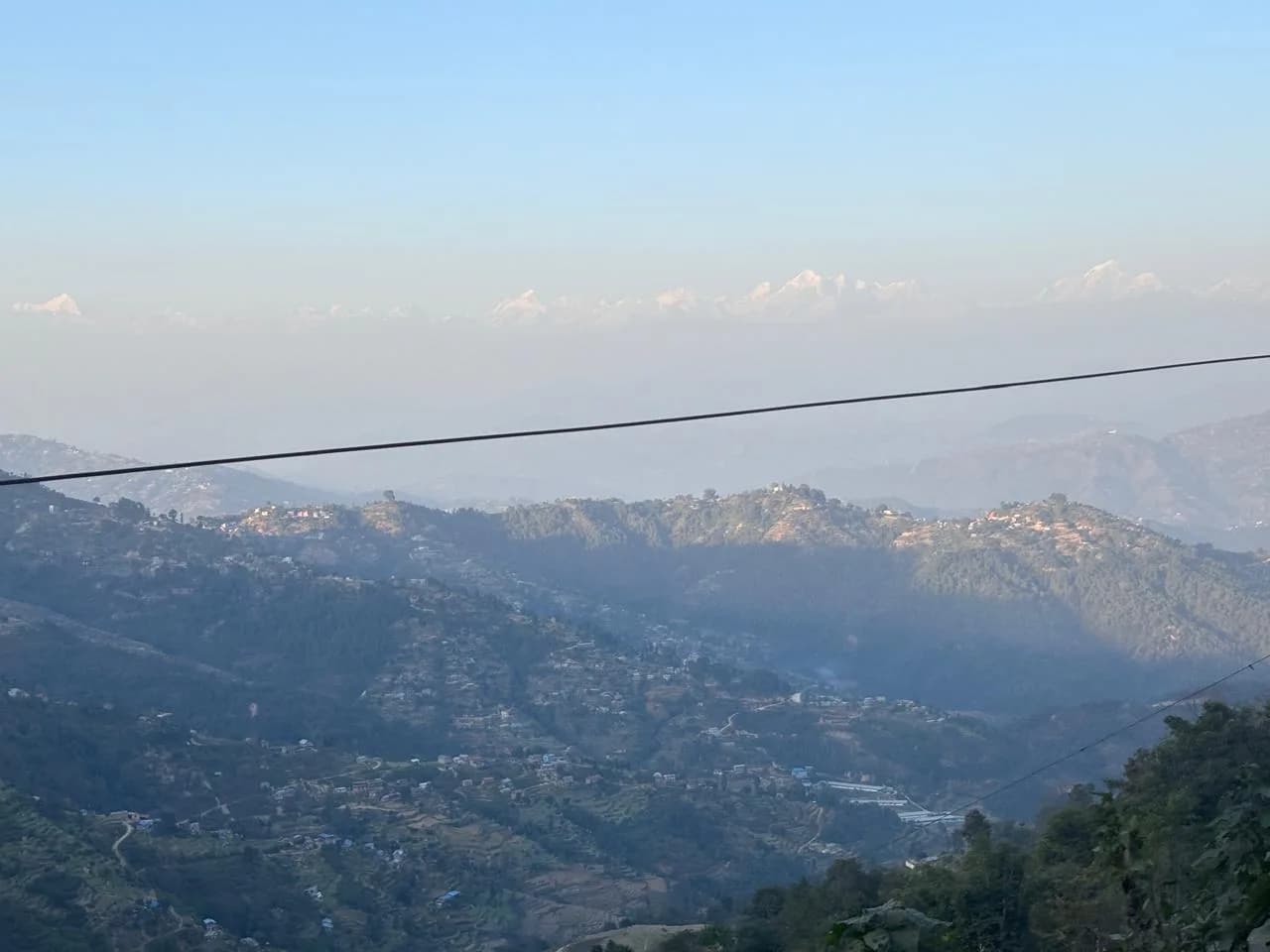
"a village does not need an air purifier for clean air"
Anshu woke each morning to cool, clear air after the village stopped open burning and switched to clean stoves and composting. Children played without coughing, the river ran clear
