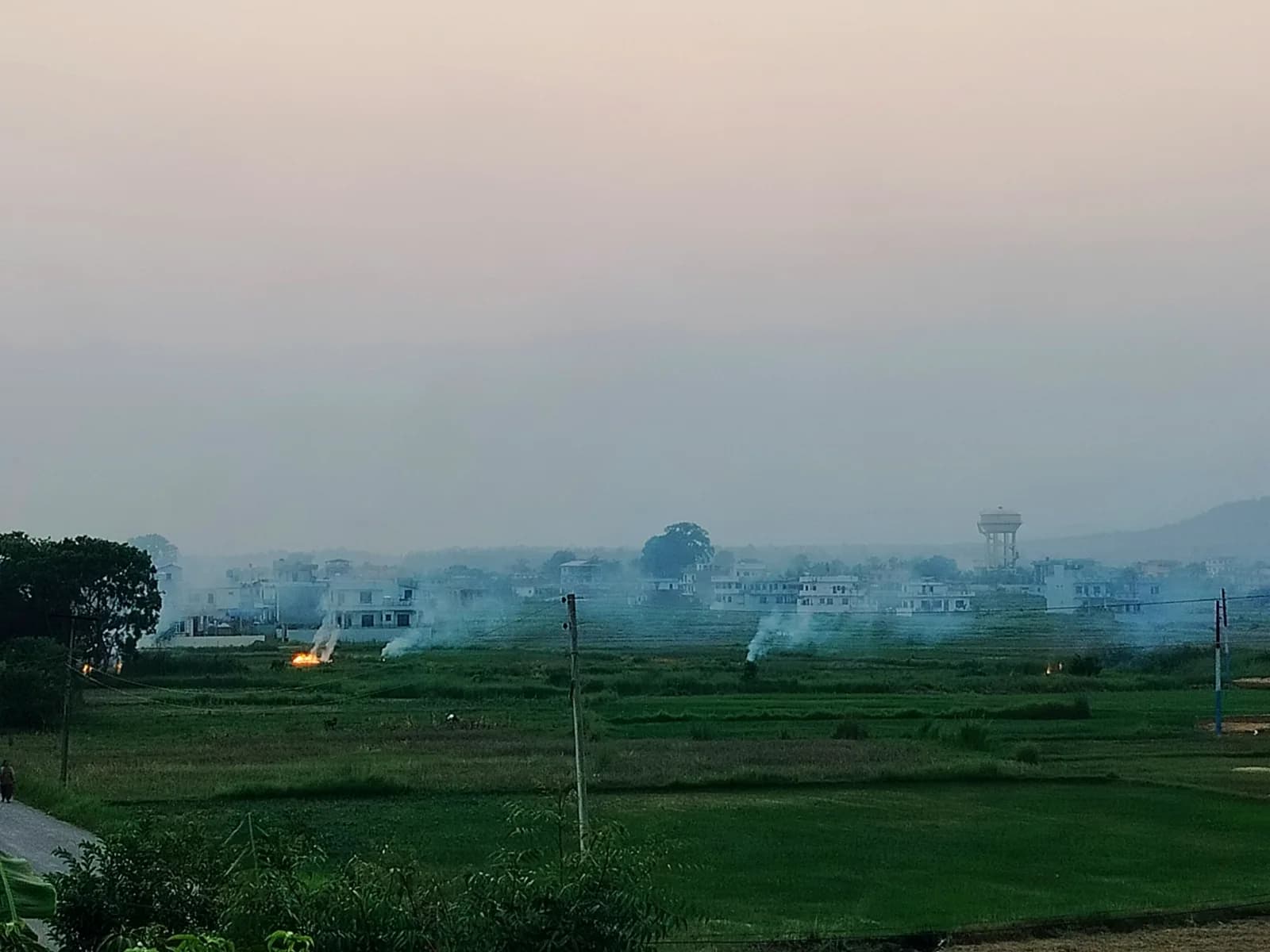
“Compound Agricultural Burns Contributes to Bigger Impact”
Massive Agricultural Burns
Jestha and Asar is that time of the year where framers are mostly seen in the field preparing for or beginning of the cultivation of paddy.
Terai is The Granary of Nepal (अन्नको भण्डार).
So, there is massive level of paddy/rice cultivation is done.
And unfortunately, the granary is turning into hub for agricultural burns.
Because in Terai region the cultivation is done at huge amount, but the remaining grass lentils/dal, corn and other crops are simply burned to clean the field. The image is clicked in Sainamaina, where people are clearing the field for further cultivation.
In this image, there are 5 burns clearly visible, while one has lite smoke.
The framers are burning the crops and green grass to clean the field.
The day when I clicked the photo there were more than 10 little burns near me.
Everyday I watch around, there will a smoke of agricultural burns.
If I have only relied on agricultural burns, I will have completed 20 submission with all agricultural burns.
The little agricultural burns compound together and contribute to bigger impact.
The agricultural burns, in my area, peaks before and after cultivation and harvesting of whether its paddy or wheat or lentils.
The main reason of doing so is farmers have lands but unlike in hilly regions/villages, they don't have animals which will consume grasses and rice stows.
According to ICIMOD blog, the residual burns combined with other waste burn contribute from 15% to 50% of air pollution depending upon the season.
It also states that crop residues primarily releases fine particulate matter (PM2.5 and PM10), greenhouse gases (CO₂, CH₄, and N₂O), and toxic pollutants like black carbon, ammonia, and carbon monoxide.
This is one of major source of pollution in Terai Region including Butwal and Bhairahawa.
We can process it and can use it to make natural carpets, mushroom cultivation and so many other ways instead of burning.
Contributor
@bishnu-gautam
Badge
SafaHawa Guardian
Continue browsing
Related memories
Nature is Healing
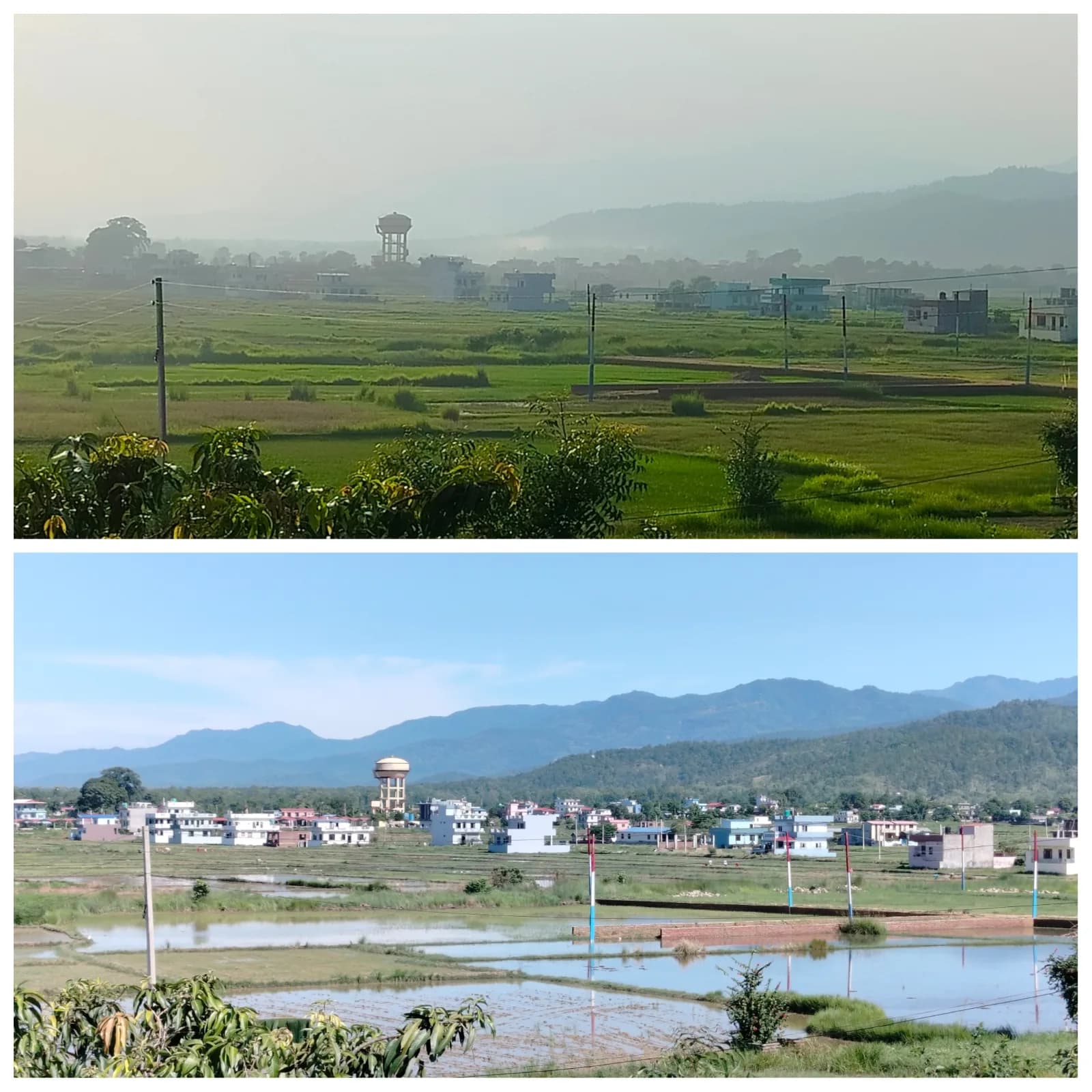
"The Rain Effect: The AQI of Sainamaina Dropped to 46 From 165. Massive Relief!!"
This two images of Sainamaina represents the massive change in air because of rainfall. The upper image, which I have already uploaded in Safahawa with the caption as "Rain Couldn'
a quiet road
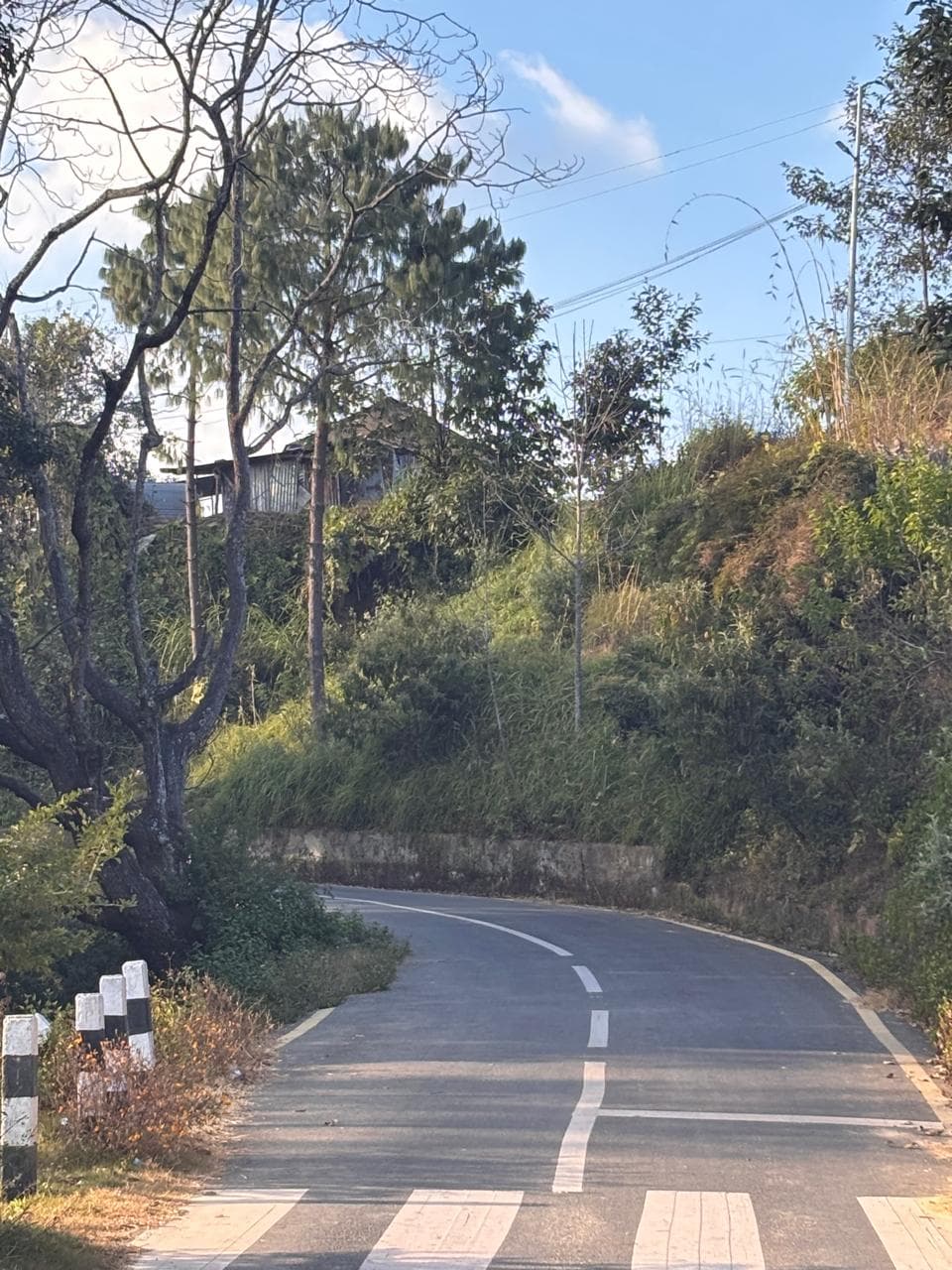
"A quiet road flanked by trees, where clean air and dappled sunlight slow the city’s pace."
A lone road stretches into the morning light, empty of cars, each side framed by a row of tall trees whose leaves murmur like quiet guardians. The air here tastes of green — cool,
A village without pollution
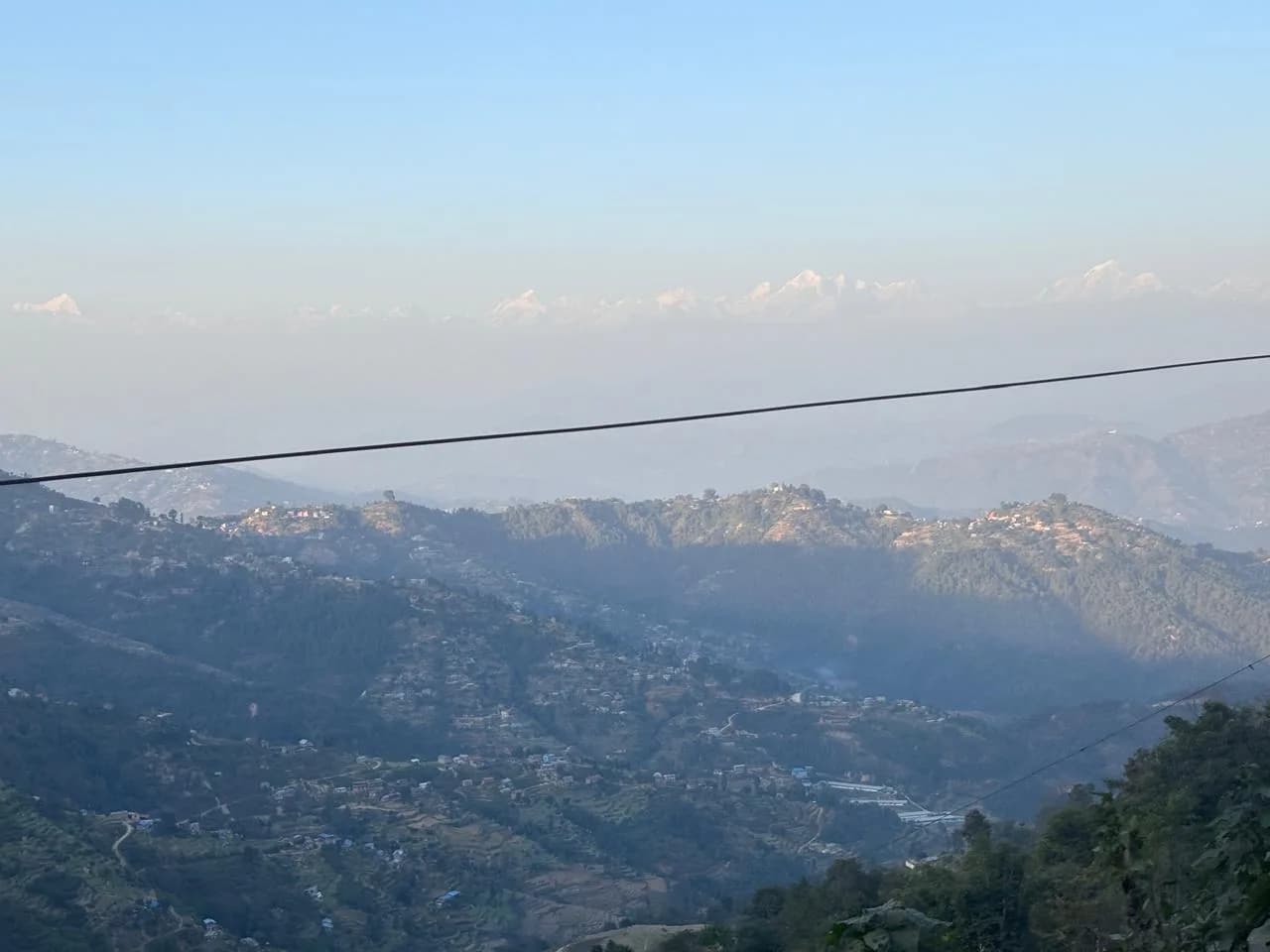
"a village does not need an air purifier for clean air"
Anshu woke each morning to cool, clear air after the village stopped open burning and switched to clean stoves and composting. Children played without coughing, the river ran clear
