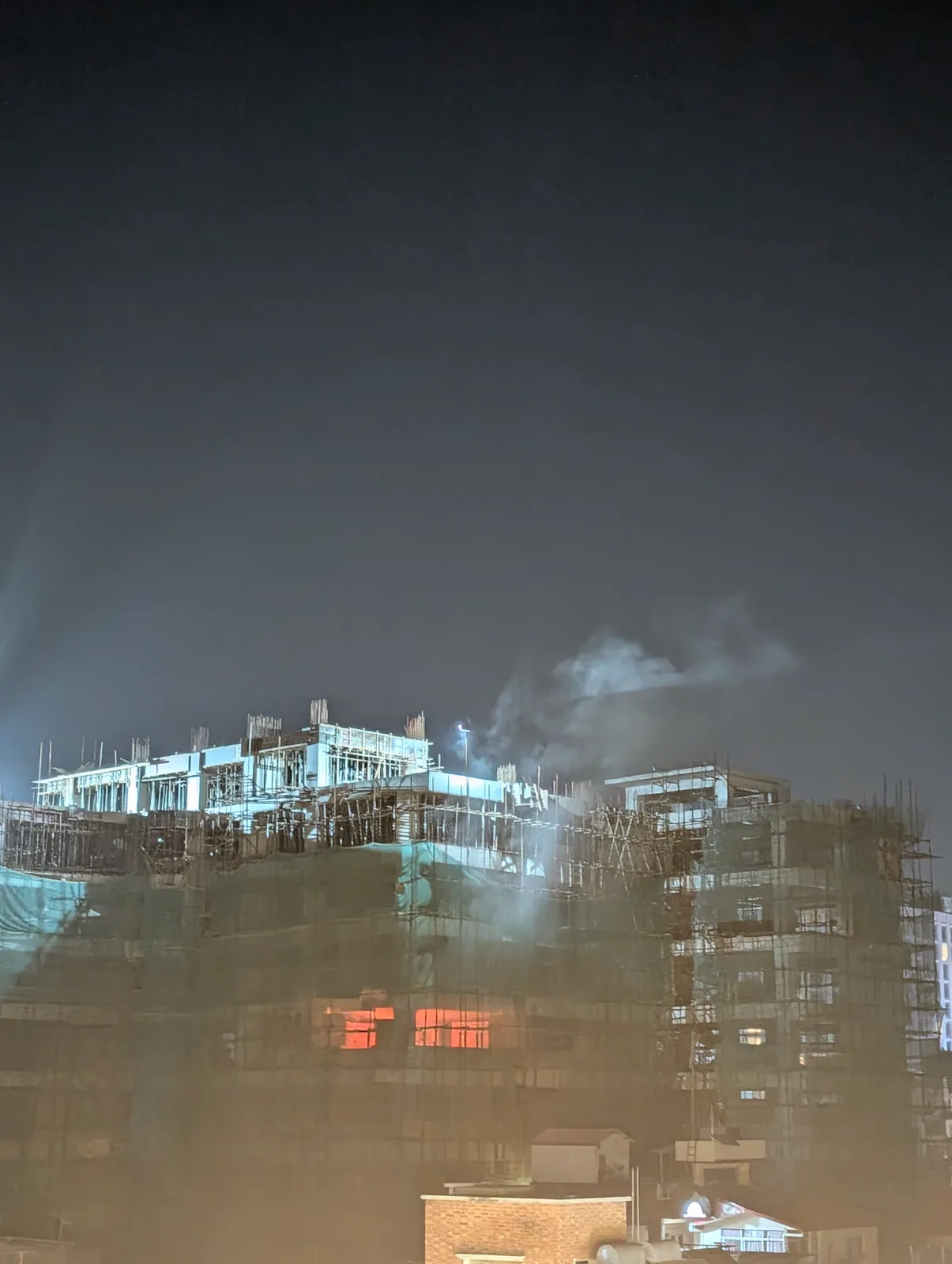
“A celebratory evening took a sharp turn as flames and thick, acrid smoke served as a grim reminder of how suddenly our air quality can be compromised.”
Midnight in the South Side
It was supposed to be a standard rooftop sundowner in Jhamsikhel - good music, a late-night breeze, and the city lights.
But by midnight, the view changed. We watched as a nearby building under construction began to exhale thick, grey smoke into the night sky.
The orange glow against the scaffolding wasn't a sunset; it was an active fire.
While the fire department arrived with impressive speed, the damage to the air was already done. Construction fires are particularly toxic.
They involve the combustion of: - Treated timber and plywood adhesives. - Plastic PVC piping. - Synthetic netting and scaffolding covers. When these materials burn, they don't just produce "smoke" they release heavy concentrations of PM2.5 and volatile organic compounds (VOCs) that linger in the dense midnight air, settling into the neighborhood long after the flames are out. We were lucky the fire station was close and a catastrophe was averted.
But as we look at this photo, let’s remember that "clean air" is fragile.
It only takes one spark at a construction site to turn a neighborhood’s air into a health hazard.
Contributor
Anonymous contributor
Public profile hidden for privacy
Continue browsing
Related memories
Nature is Healing
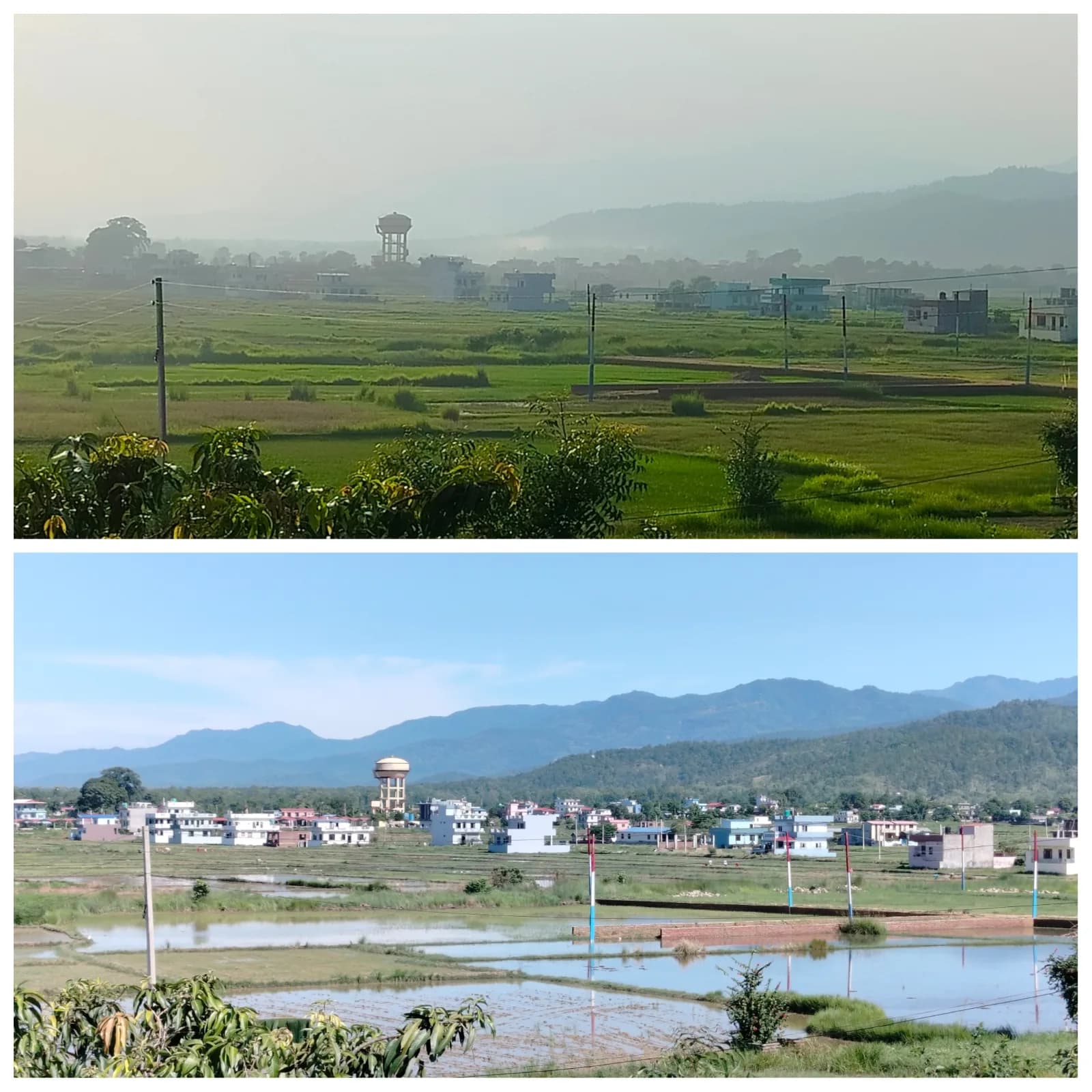
"The Rain Effect: The AQI of Sainamaina Dropped to 46 From 165. Massive Relief!!"
This two images of Sainamaina represents the massive change in air because of rainfall. The upper image, which I have already uploaded in Safahawa with the caption as "Rain Couldn'
a quiet road
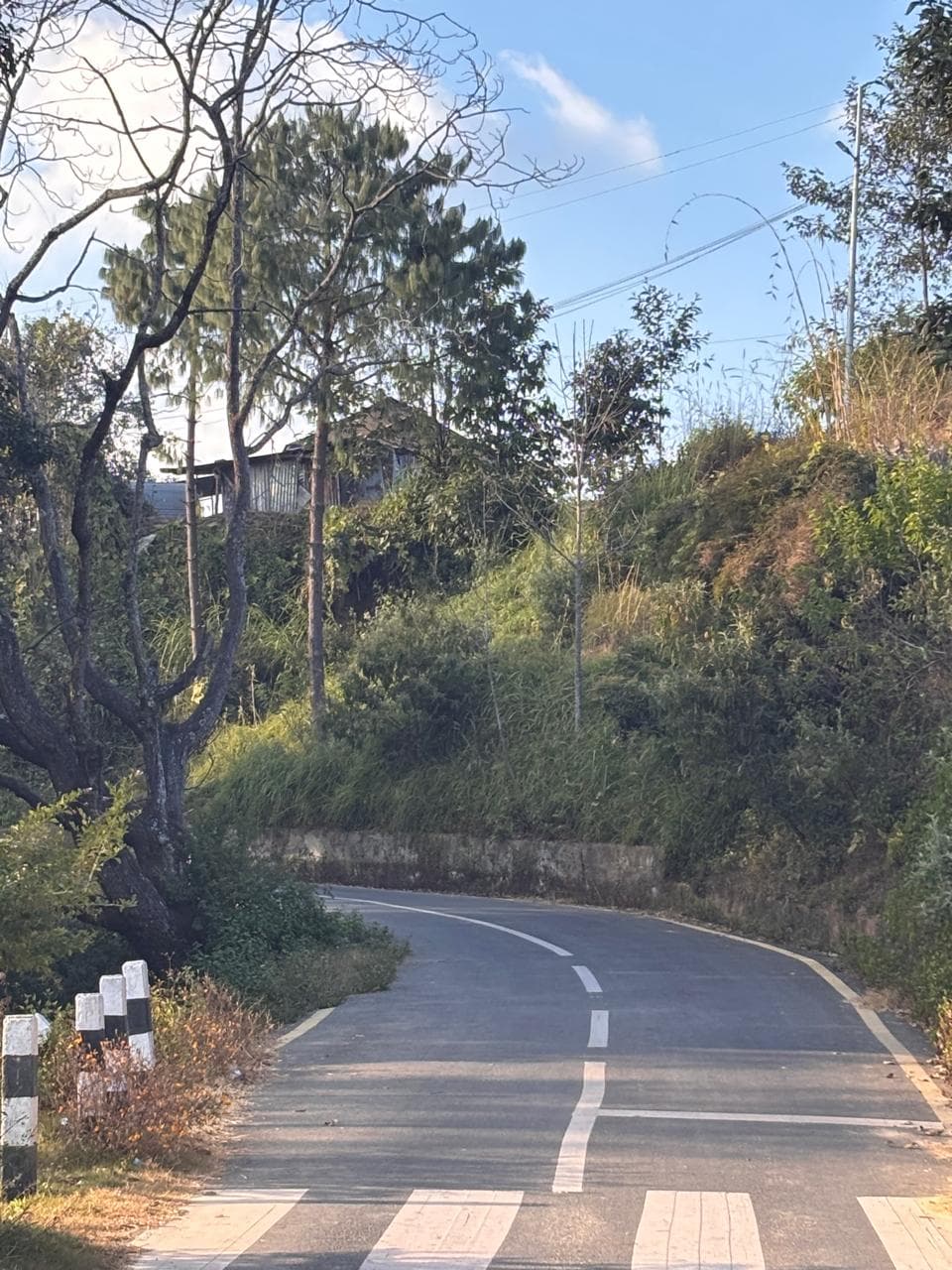
"A quiet road flanked by trees, where clean air and dappled sunlight slow the city’s pace."
A lone road stretches into the morning light, empty of cars, each side framed by a row of tall trees whose leaves murmur like quiet guardians. The air here tastes of green — cool,
A village without pollution
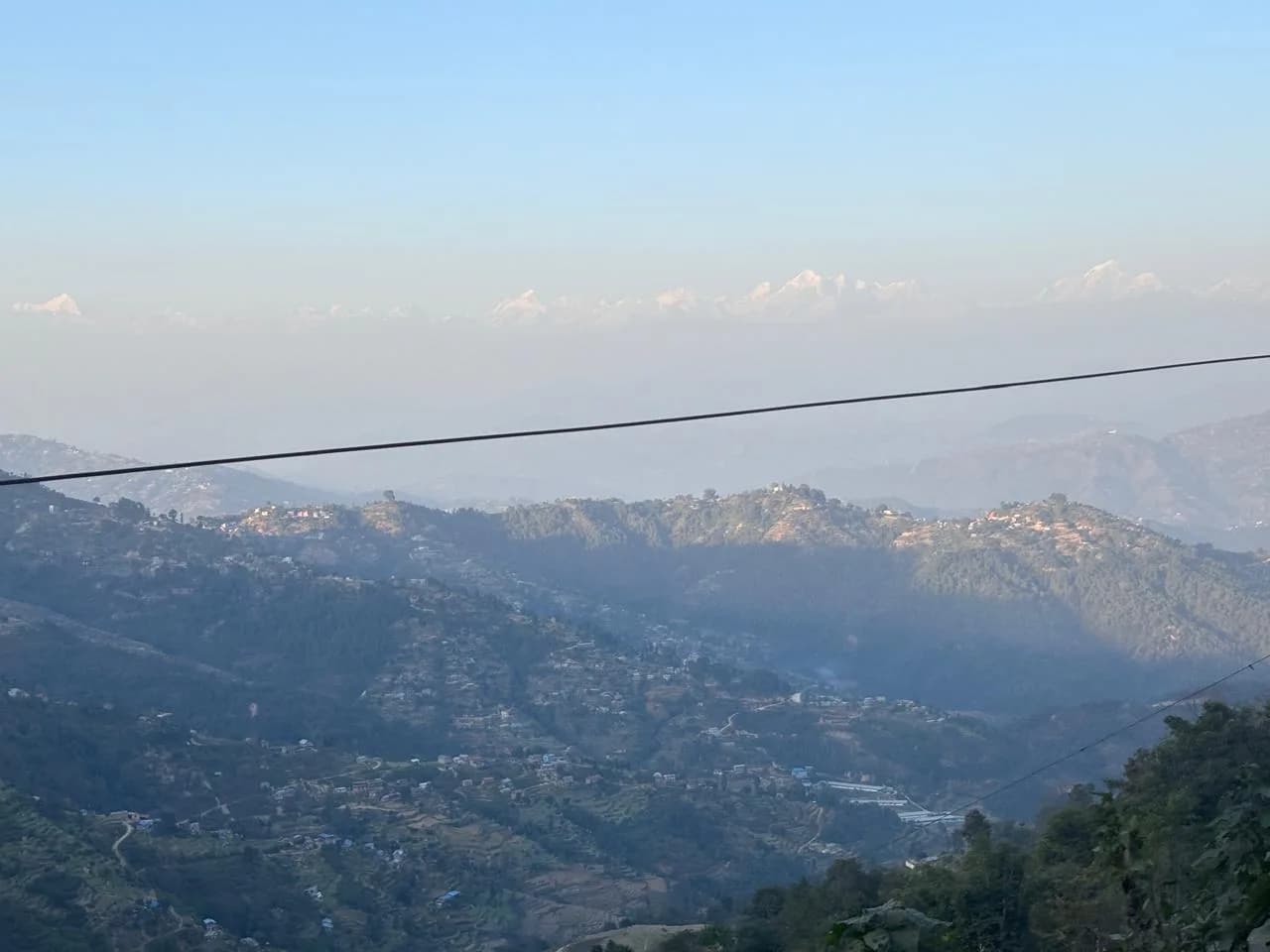
"a village does not need an air purifier for clean air"
Anshu woke each morning to cool, clear air after the village stopped open burning and switched to clean stoves and composting. Children played without coughing, the river ran clear
