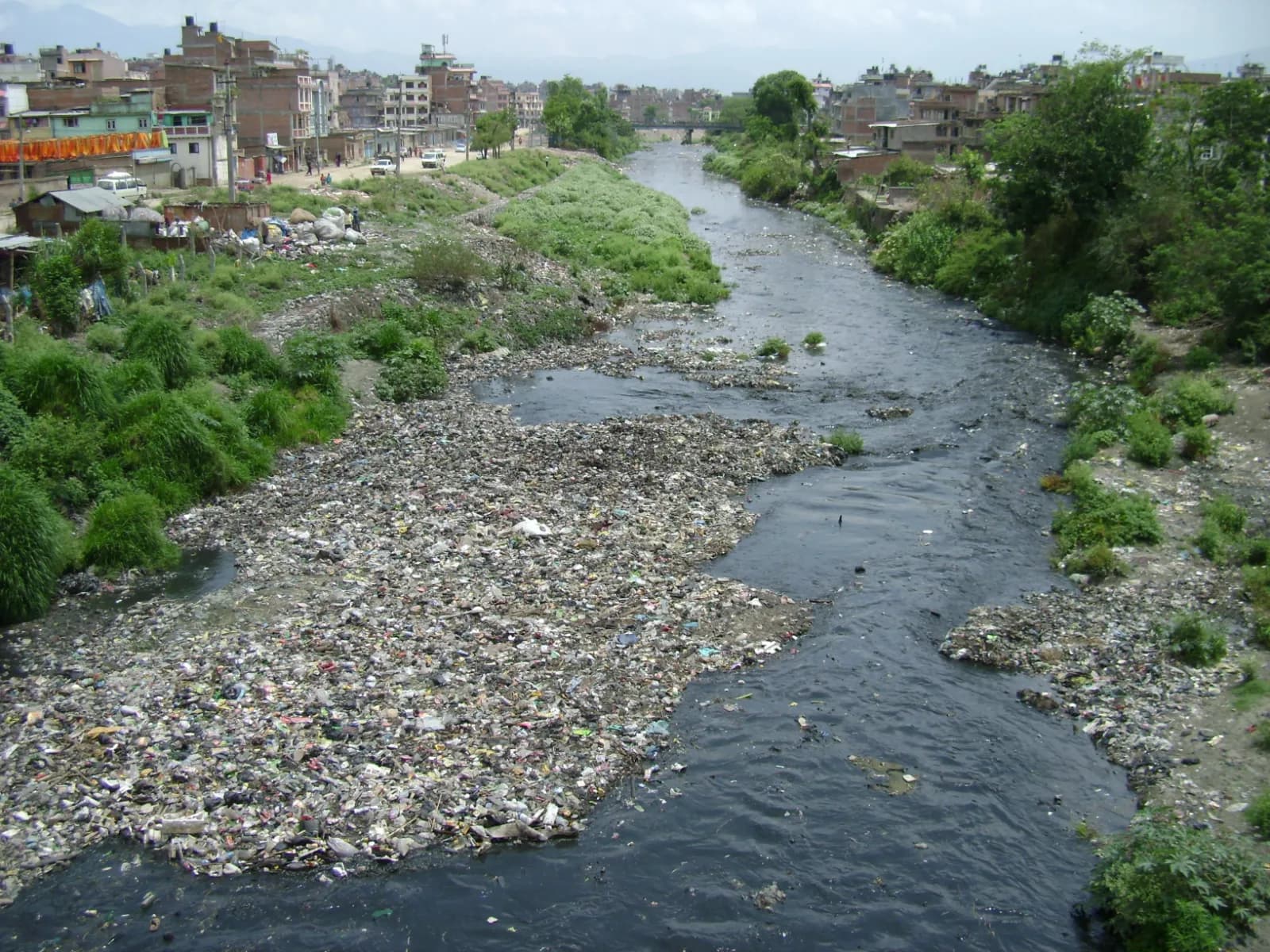
“We still call it holy. We just stopped treating it that way”
River That Used to Be Sacred
I stayed there for a little while before I took this picture. This is the Bagmati river.
The same river where Pashupatinath lies, the same river that people burn their dead at, the same river that is said to carry us toward something sacred. But here, it's carrying garbage instead. Some parts, there is no river anymore - just a sheet of plastic bottles, bags and wrappers stuck so tightly to each other it looks as though one could walk on it.
The water that is visible is black.
People are walking along the banks, life goes on in the houses alongside, everyone else is carrying on with their life.
No one is even bothered to look down. All that was going through my mind was how this river is referred to in our sacred texts, how people come from so far away, all these rituals just to be close to it.
And what it actually is now - the waste which everyone has agreed to ignore. The waste does not only just stay in the water and pollute what lies underneath but also the air that it occupies.The smell, the gases, all of it goes into the air surrounding the riverbanks every day. We call it holy, and we use it as a sewer.
Contributor
@kandelsamyog8-1928dfe2
Badge
SafaHawa Guardian
Continue browsing
Related memories
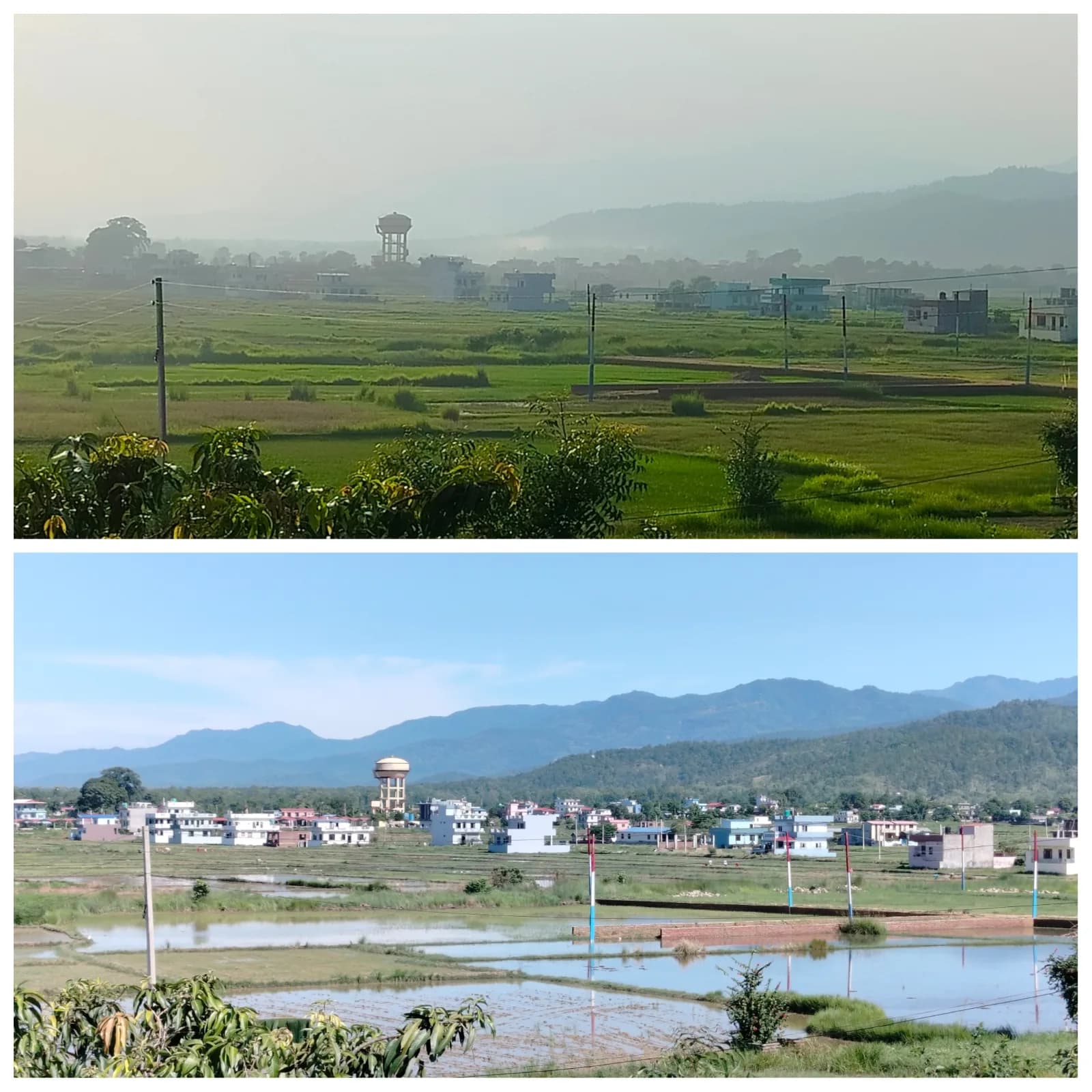
Nature is Healing
"The Rain Effect: The AQI of Sainamaina Dropped to 46 From 165. Massive Relief!!"
This two images of Sainamaina represents the massive change in air because of rainfall. The upper image, which I have already uploaded in Safahawa with the caption as "Rain Couldn'
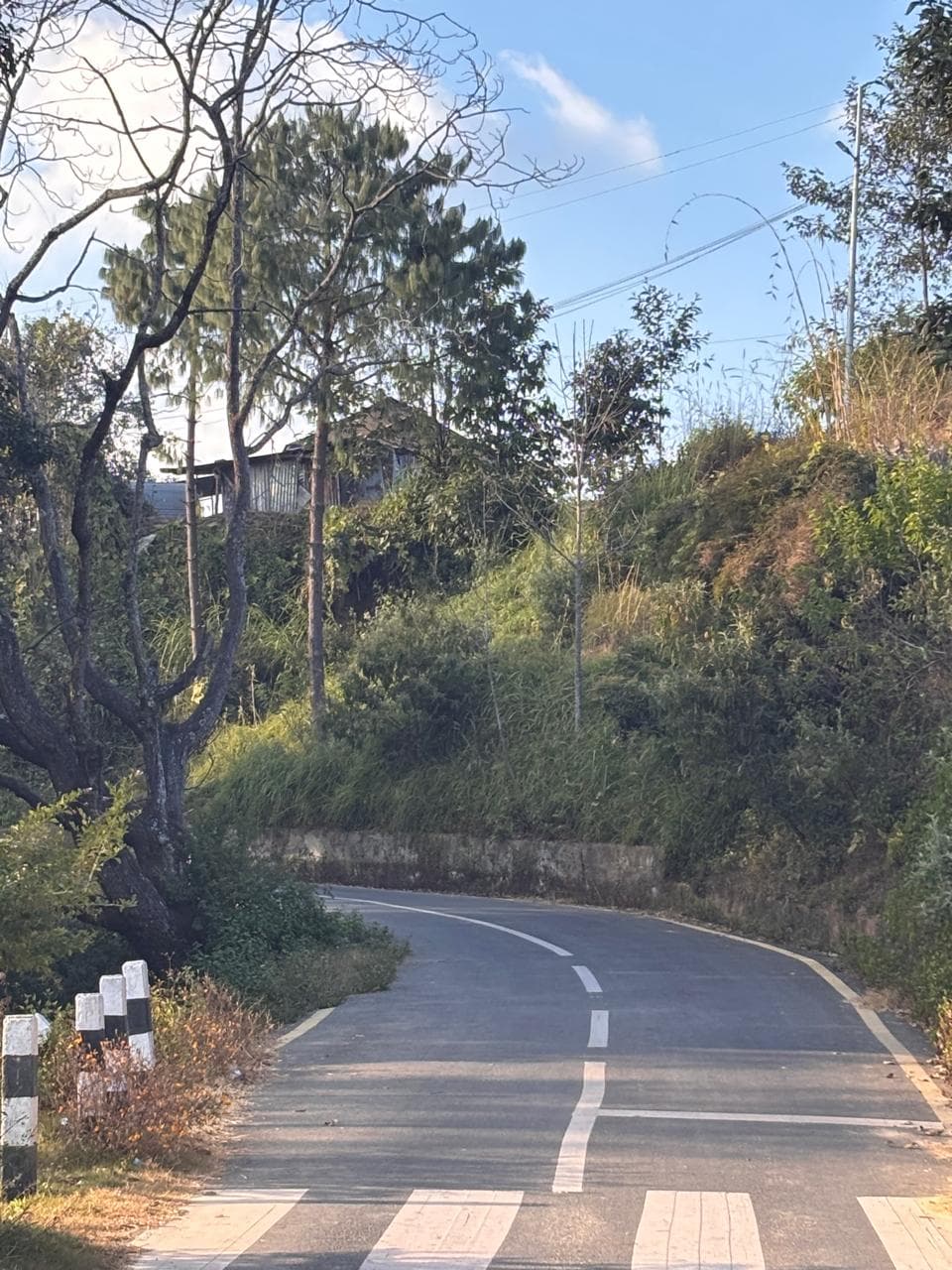
a quiet road
"A quiet road flanked by trees, where clean air and dappled sunlight slow the city’s pace."
A lone road stretches into the morning light, empty of cars, each side framed by a row of tall trees whose leaves murmur like quiet guardians. The air here tastes of green — cool,
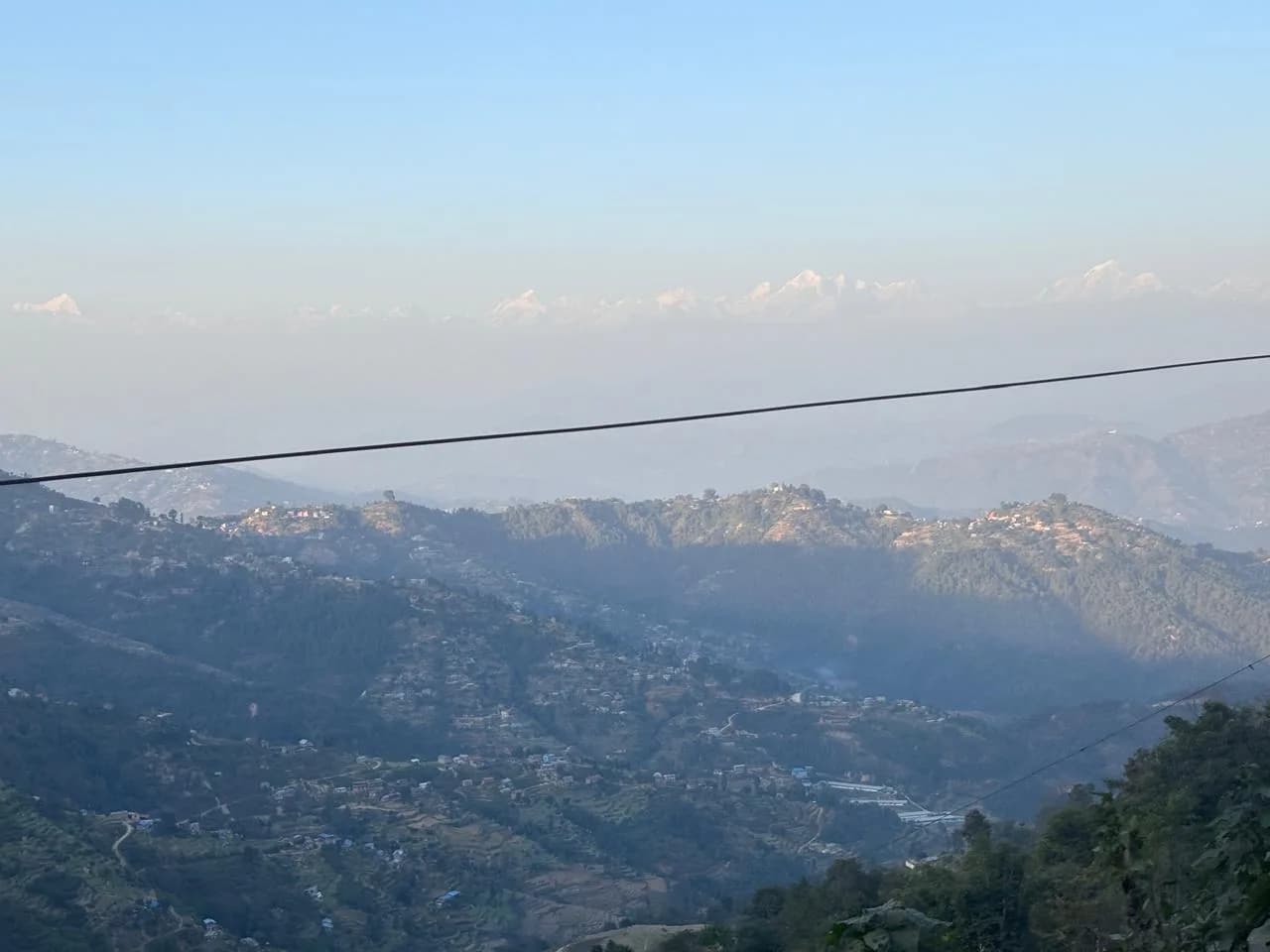
A village without pollution
"a village does not need an air purifier for clean air"
Anshu woke each morning to cool, clear air after the village stopped open burning and switched to clean stoves and composting. Children played without coughing, the river ran clear
