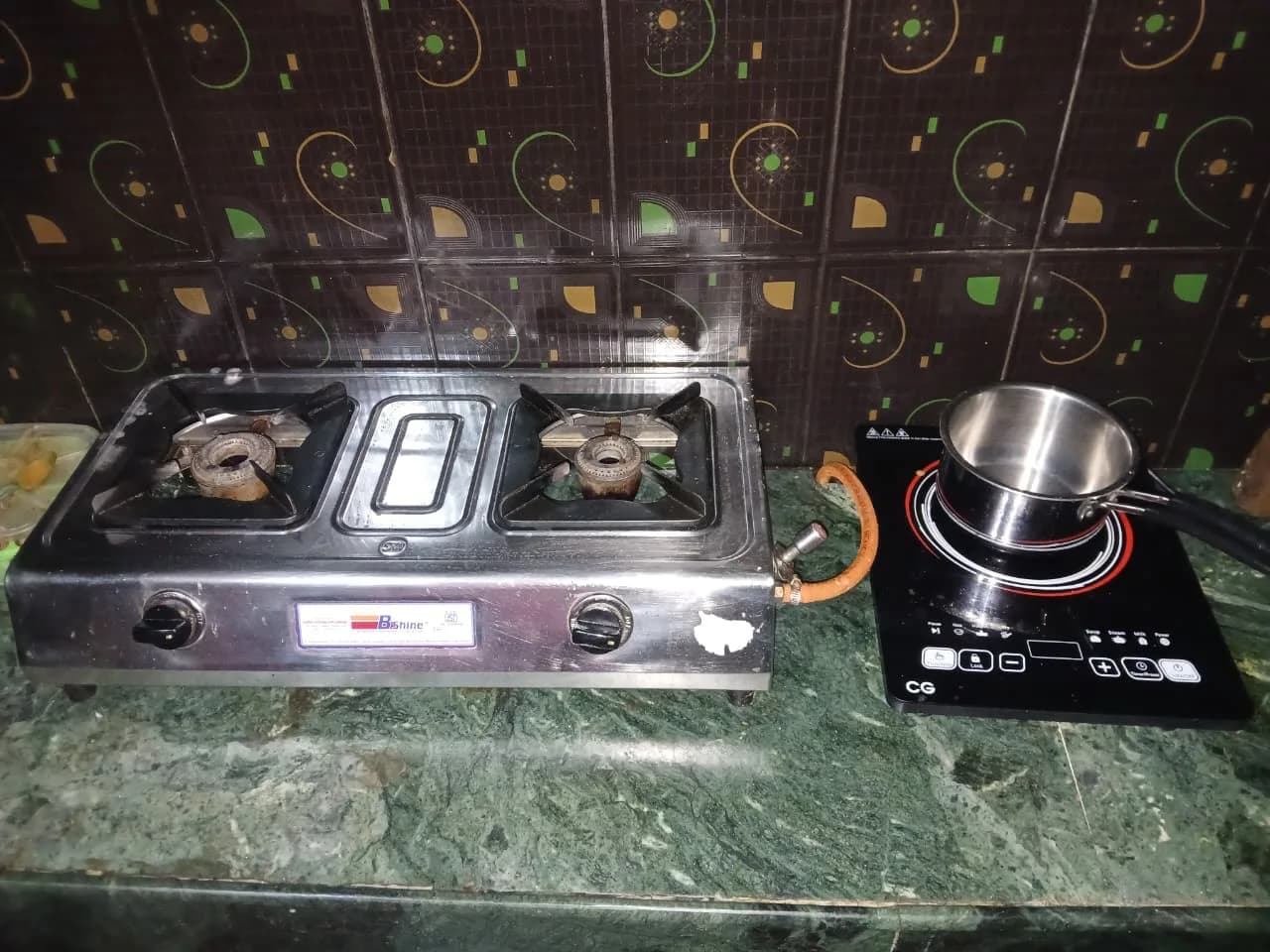
“Use of modern technology in cooking will help to reduce significant amount of air pollution in Nepali kitchen.”
Say No to smoke in Kitchen
In the past two to three decades Nepalese kitchen has evolved a lot and so does the cooking technology too.
People used to cook on traditional stove that requires a lot of firewood and produce tons of smoke had been a great risk for the respiratory tract related illness in Nepalese women as women are mostly engaged in the kitchen.
Later, due to the awareness campaign and subsidy provided by different NGOs and INGOs has promoted the use of improved stove that has a chimney attached to it.
This eradicated the direct exposure to smoke but the pollution due to cooking was very significant to the environment. Then, in the rural hilly and terai areas of Nepal where people raised cattle started to use gobar gas(gas produced from the faecal matter of cattle) which produce very less smoke in comparison to traditional firewood stove. In the cities of Nepal people used stove fueled by kerosene around 10 to 20 years ago which also used to produce a lot of smoke and affect the health of people working in the kitchen.
Nowadays, LPG is the primary source of heat in kitchen in urban area of Nepal which produce very less smoke and is effective in reducing air pollution in the kitchen.
Recently due to the end of load-sedding and the cheaper electricity rate people from urban area are priortising electric source that includes induction and infrared stove which are most effective to reduce pollution in kitchen. Government should provide subsidy to the people to encourage the use of electric stove to reduce the pollution in our own household.
Contributor
@but-try-amit
Badge
Community Air Protector
Continue browsing
Related memories
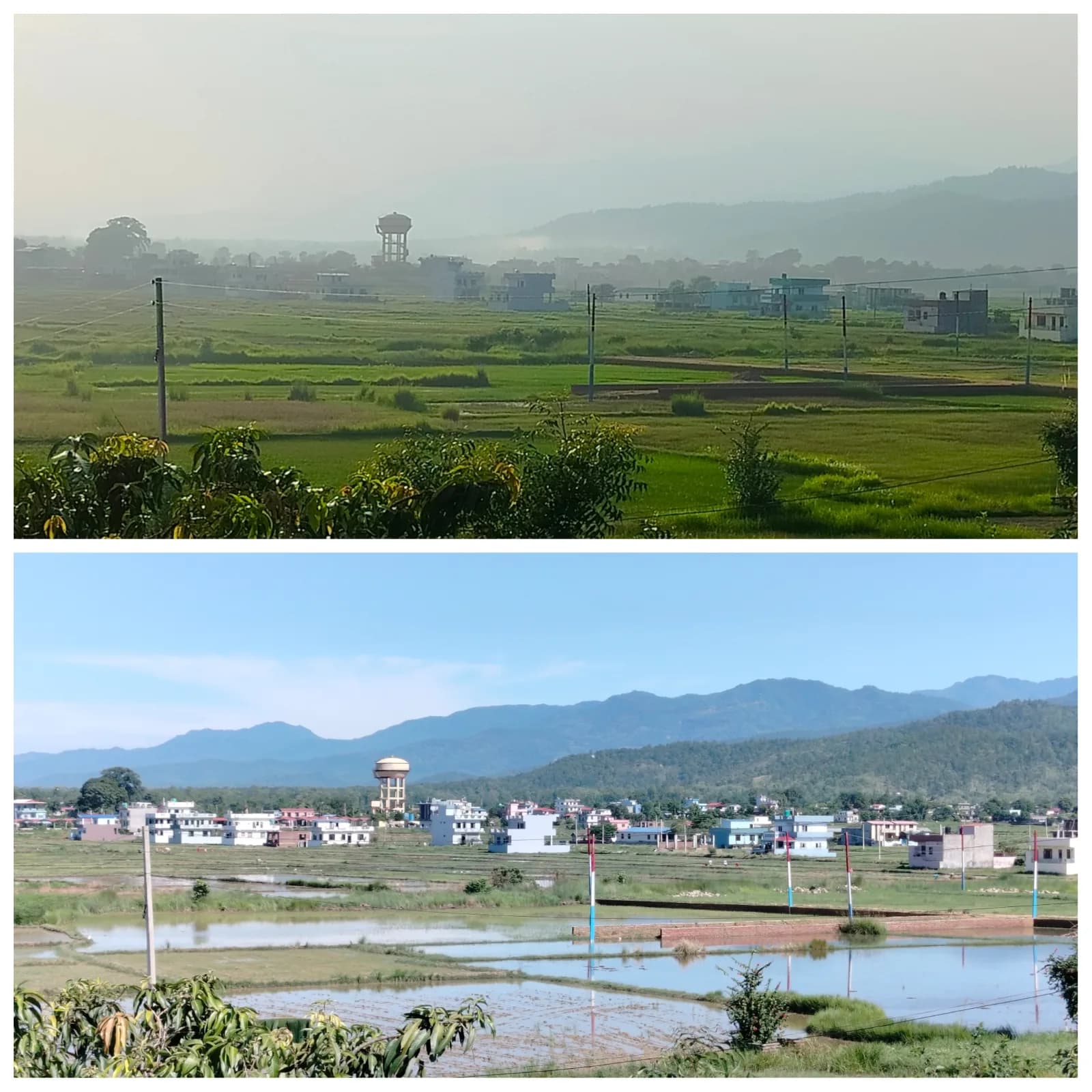
Nature is Healing
"The Rain Effect: The AQI of Sainamaina Dropped to 46 From 165. Massive Relief!!"
This two images of Sainamaina represents the massive change in air because of rainfall. The upper image, which I have already uploaded in Safahawa with the caption as "Rain Couldn'
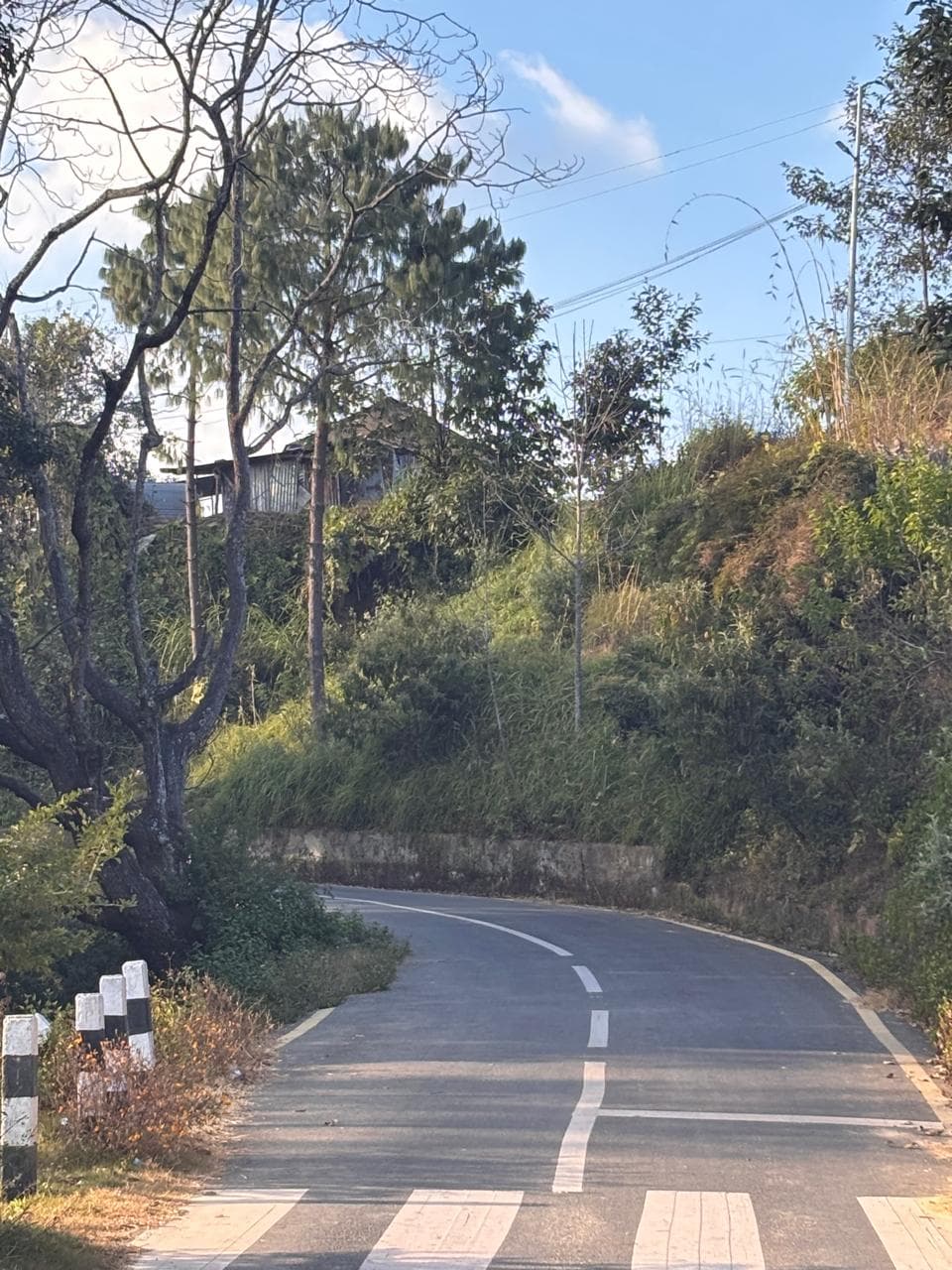
a quiet road
"A quiet road flanked by trees, where clean air and dappled sunlight slow the city’s pace."
A lone road stretches into the morning light, empty of cars, each side framed by a row of tall trees whose leaves murmur like quiet guardians. The air here tastes of green — cool,
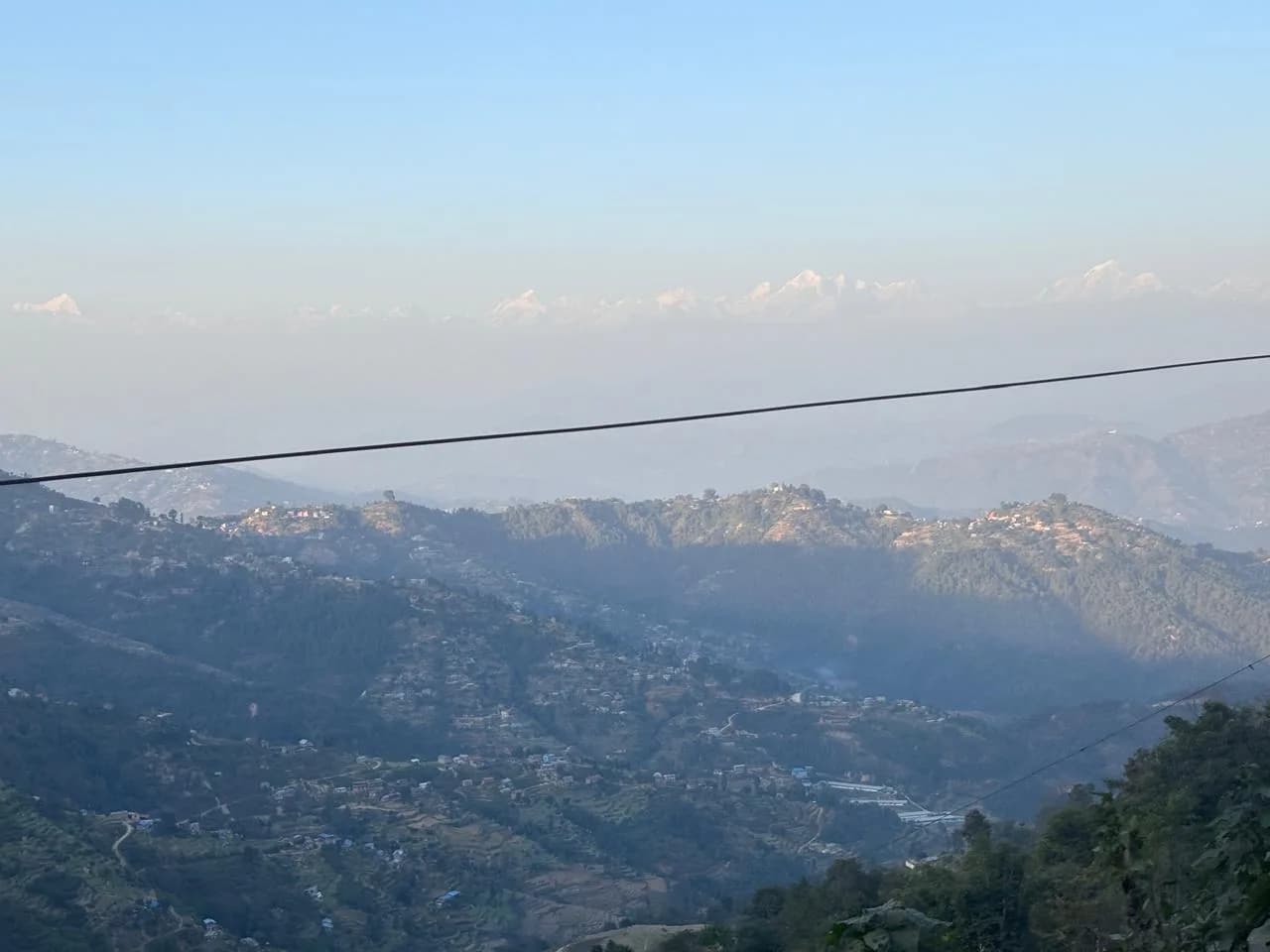
A village without pollution
"a village does not need an air purifier for clean air"
Anshu woke each morning to cool, clear air after the village stopped open burning and switched to clean stoves and composting. Children played without coughing, the river ran clear
