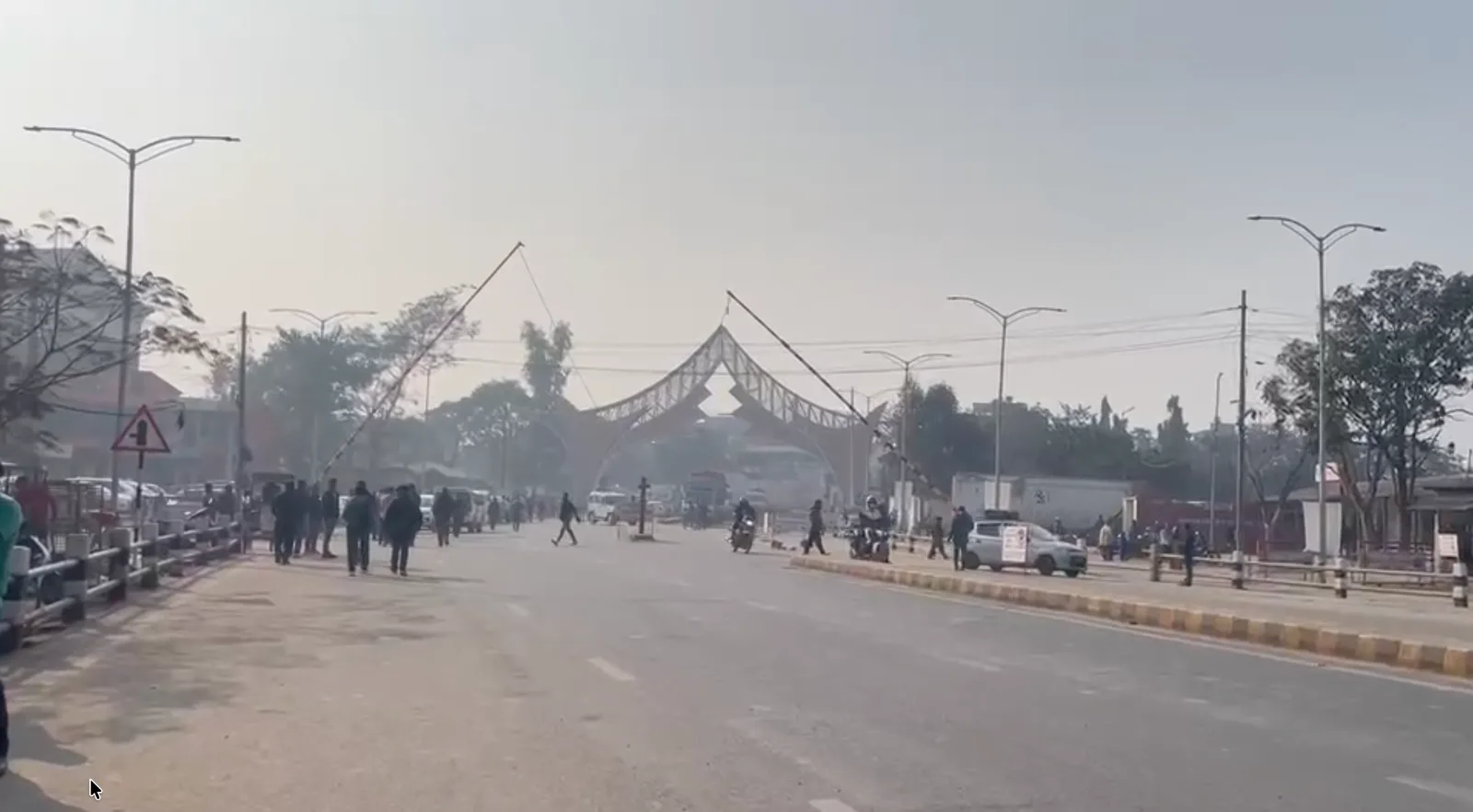
“The border is visible on the ground but not in the air above it.”
Shared Borders
Sunauli border gate is one of the busiest entry points between Nepal and India.
It takes about 45 minutes to go from Butwal to Sunauli, yet you can feel the noticeable difference in air the moment you reach the road near the border. The reason? Haze and air pollution that often travel with the wind from regions of India like Uttar Pradesh and Bihar.
This polluted air gradually blends into the atmosphere in cities like Bhairahawa near the Nepal border.
In geographical regions like the Terai, air easily shifts within a short distance. A little heavier, a little less clear and usually warmer is how you start noticing the difference.
Standing at Sunauli border you can clearly see the gates, movement, and signs of two nations marking their territories.
But above it, that separation fades, reminding us that there is no clear point or border to divide the air shared by these two countries.
Contributor
@panthipurnima
Badge
SafaHawa Guardian
Continue browsing
Related memories
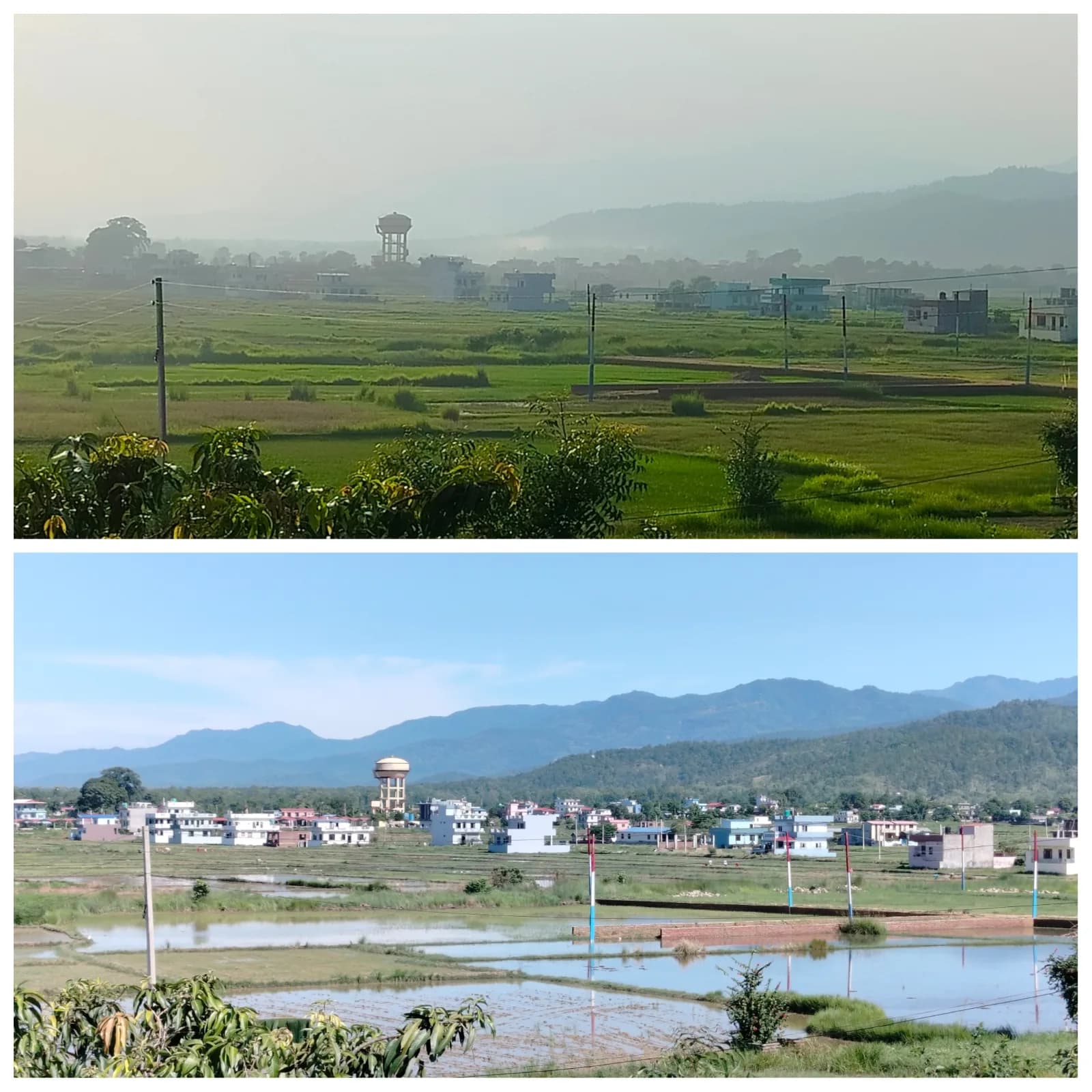
Nature is Healing
"The Rain Effect: The AQI of Sainamaina Dropped to 46 From 165. Massive Relief!!"
This two images of Sainamaina represents the massive change in air because of rainfall. The upper image, which I have already uploaded in Safahawa with the caption as "Rain Couldn'
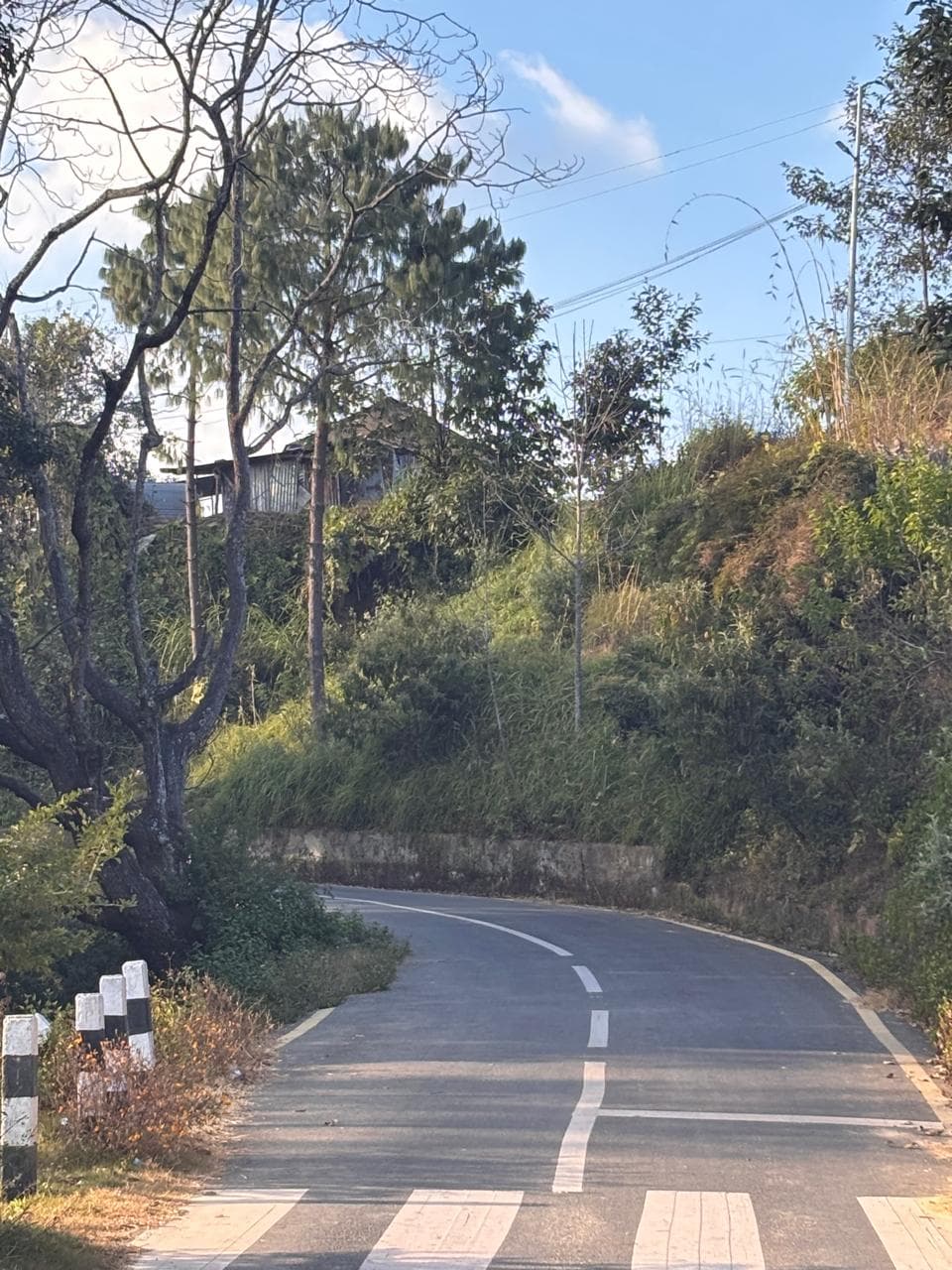
a quiet road
"A quiet road flanked by trees, where clean air and dappled sunlight slow the city’s pace."
A lone road stretches into the morning light, empty of cars, each side framed by a row of tall trees whose leaves murmur like quiet guardians. The air here tastes of green — cool,
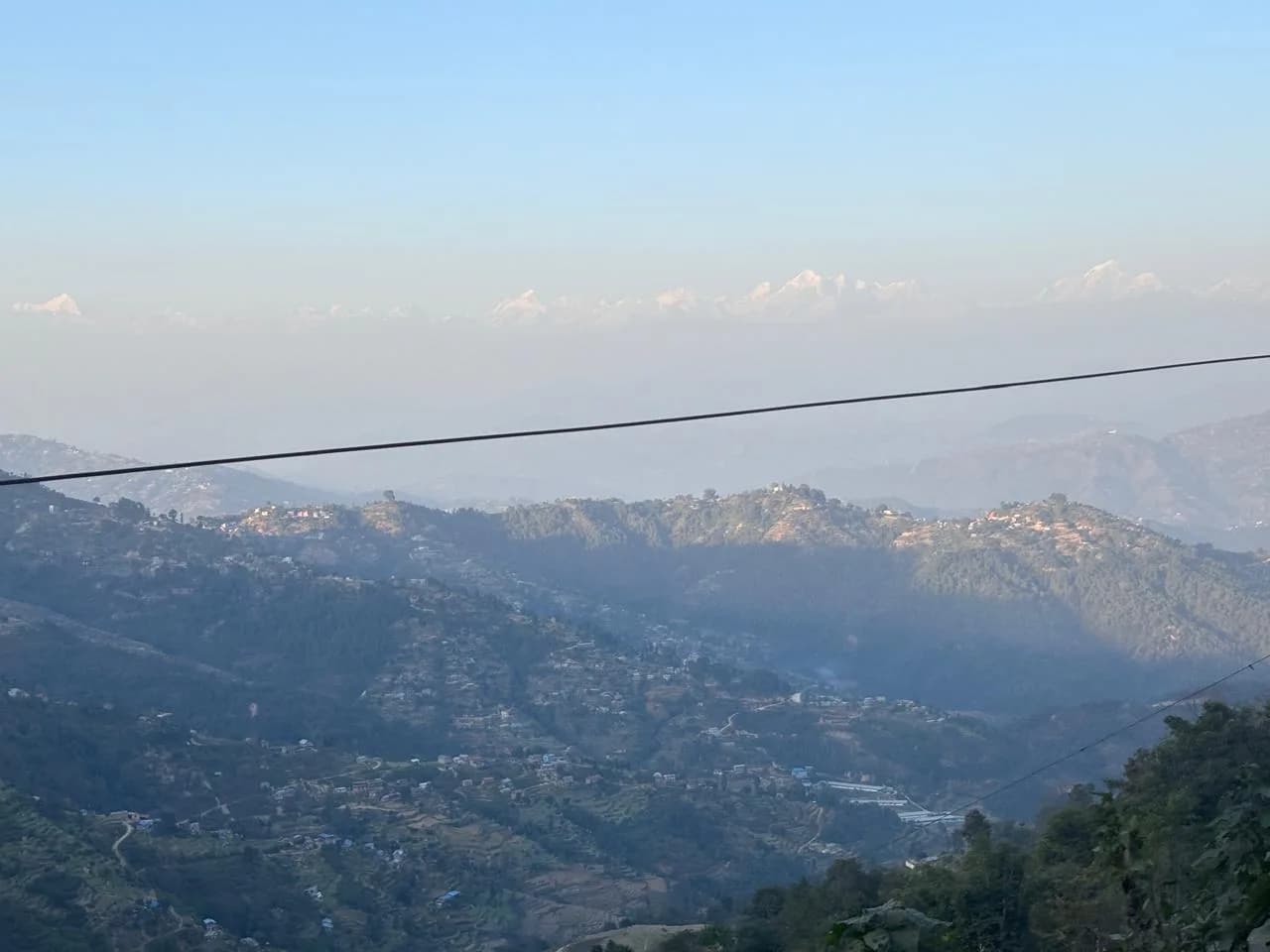
A village without pollution
"a village does not need an air purifier for clean air"
Anshu woke each morning to cool, clear air after the village stopped open burning and switched to clean stoves and composting. Children played without coughing, the river ran clear
