
“They Sacrifice their Health to Make Our Houses Strong”
The Bricks Story
No doubt, the bricks factory are one of the major contributors to the air pollution.
We keep taking about the impact of pollution emitted from the factory on the other people.
But, what about the workers working their? The workers at bricks factories spent their whole time around dust, mud and the smoke.
We have talked about the smoke emitted from the top of the factory.
But the workers are the one who burns the fire.
They are directly exposed to the smoke and extreme head weaves.
The bricks factory is the most vulnerable industry among all.
There are many problems like, bonded labour, child labour, under pay etc.
which are legal problems.
Even if we put those aside, the children are forced to work under such extreme environment surrounded by dust, mud and smoke all the time.
In Bhairahawa, the workers in the brick factories are mostly indian or from madeshi community, who barely understand Nepali.
When I approached them to speak about they hesitated and didn't talked to me. Even if they don't share their problem, the image tells the bricks story.
The workers are surrounded by the dust and mud while the smoke is being emitting from top of clan.
If this much smoke is being emitted, how much the smoke they are exposed to while burning the fire and monitoring it.
They are the most vulnerable workers, who are forced to work under extremely toxic environment and didn't even get fair wages and proper residence to live.
Contributor
@bishnu-gautam
Badge
SafaHawa Guardian
Continue browsing
Related memories
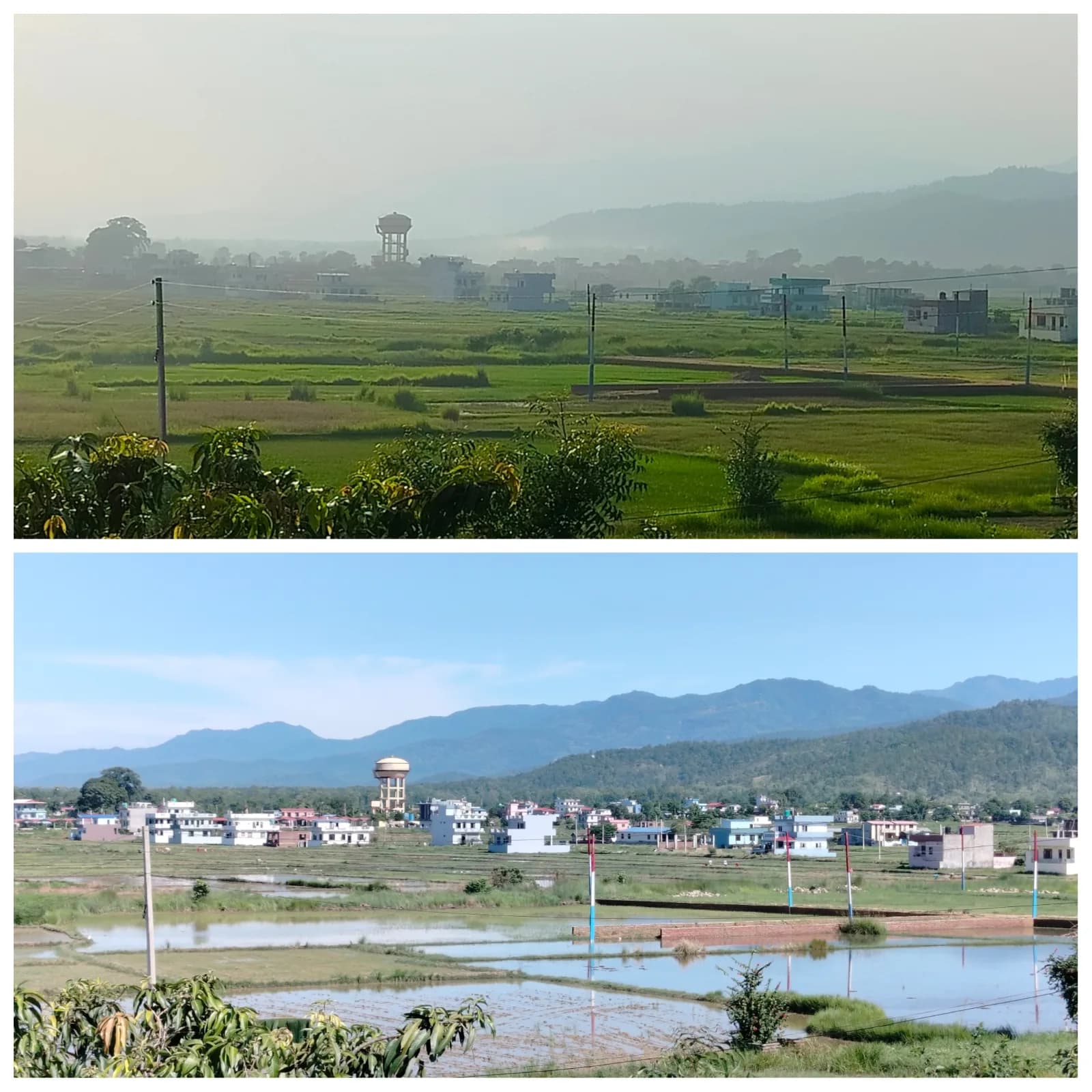
Nature is Healing
"The Rain Effect: The AQI of Sainamaina Dropped to 46 From 165. Massive Relief!!"
This two images of Sainamaina represents the massive change in air because of rainfall. The upper image, which I have already uploaded in Safahawa with the caption as "Rain Couldn'
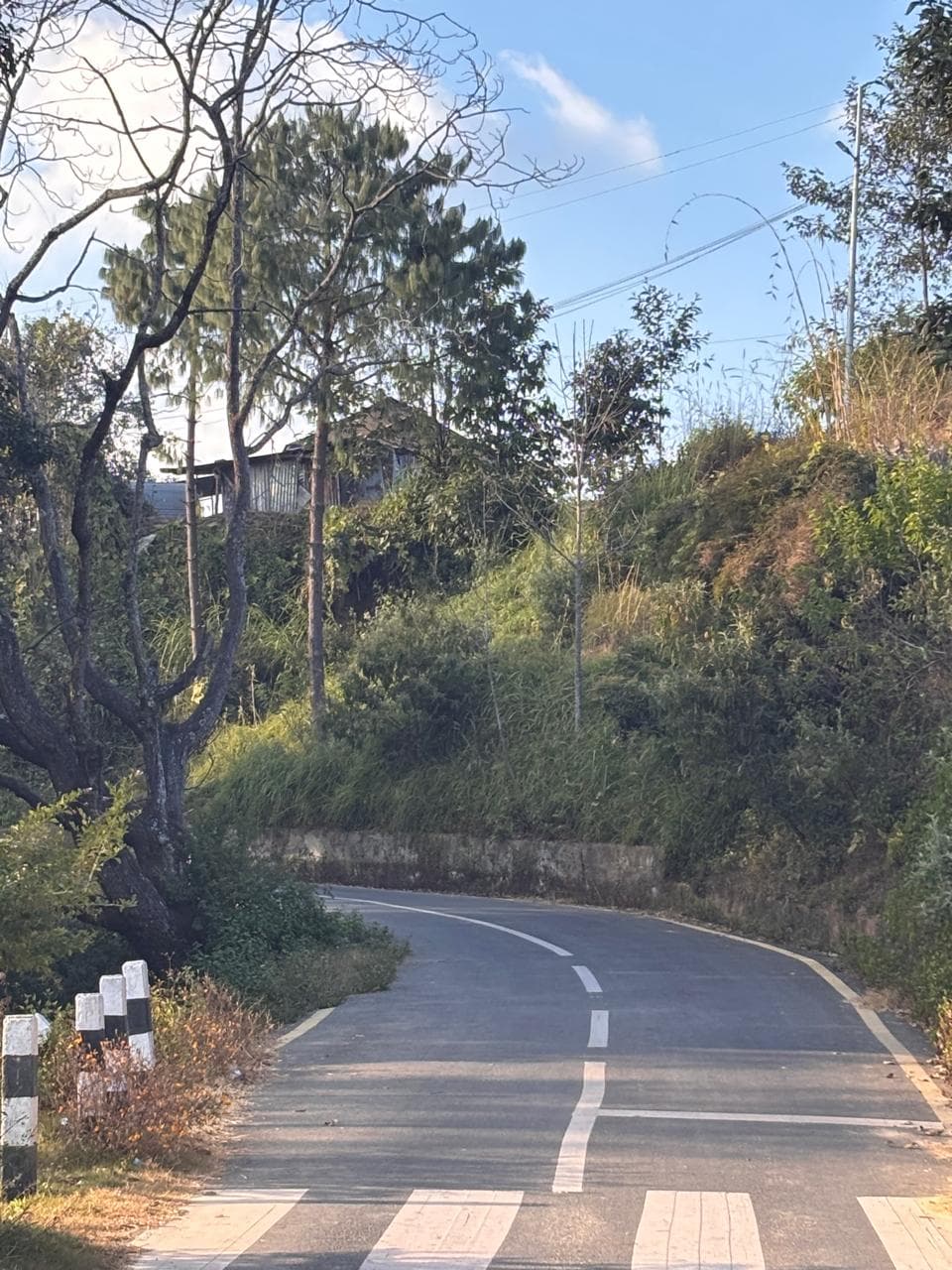
a quiet road
"A quiet road flanked by trees, where clean air and dappled sunlight slow the city’s pace."
A lone road stretches into the morning light, empty of cars, each side framed by a row of tall trees whose leaves murmur like quiet guardians. The air here tastes of green — cool,
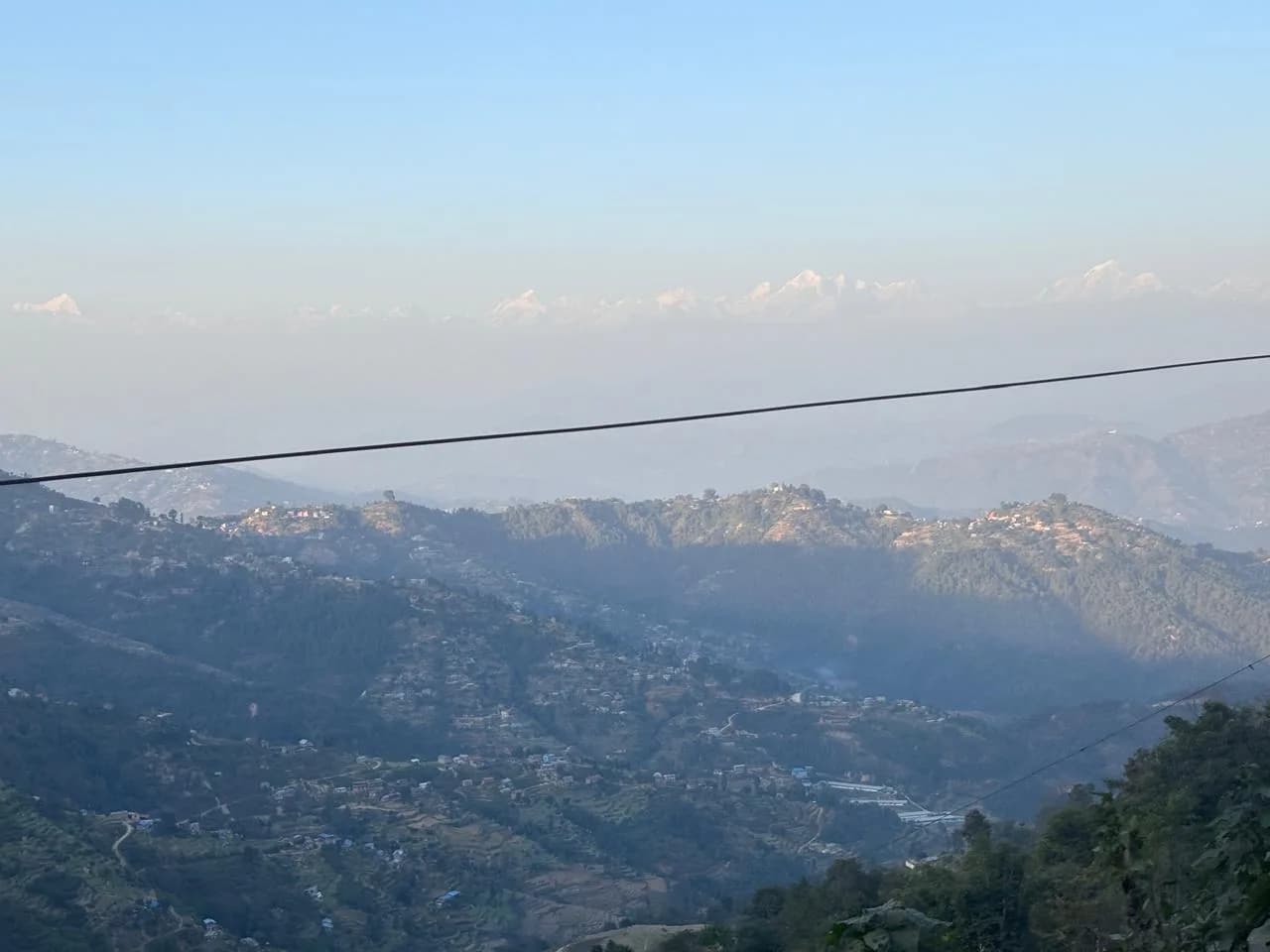
A village without pollution
"a village does not need an air purifier for clean air"
Anshu woke each morning to cool, clear air after the village stopped open burning and switched to clean stoves and composting. Children played without coughing, the river ran clear
