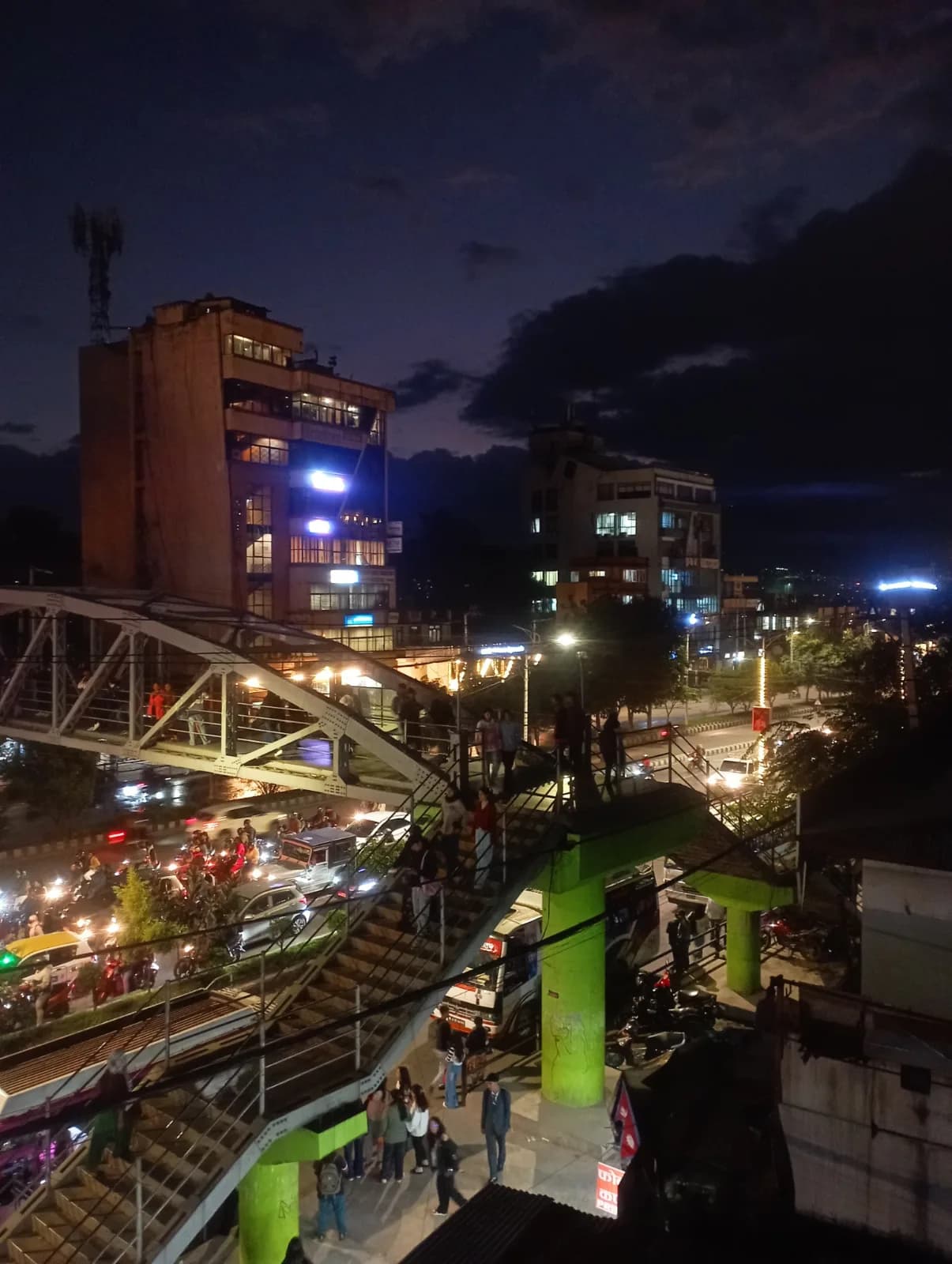
“A reflection on how air pollution is slowly hiding the night sky we once knew.”
The Missing Stars
Kathmandu has a way of capturing your heart even in the most chaotic scenes.
Evenings like this always feel oddly calming amidst the crowds and rush of traffic.
However, as I look past the dim outlines of tall buildings, that calmness fades into a heavy sense of homesickness.
The night sky lacks the stars and presents the blurred image of the moon.
Back home, the night used to feel different.
Soft moonlight would spread across the streets, and traces of stars were visible enough to keep me gazing at them for hours. Here, even the idea of a moon-lit night sky feels distant.
The air pollution that lingers throughout the day thickens the atmosphere at night.
Air pollution and light pollution often work together in cities like Kathmandu. Looking at the sky, it is easy to blame the streetlights alone.
Yet the haze lingering over the city plays an equally important role.
Fine particles like PM2.5 act like tiny mirrors in the air which reflect light to different directions.
The artificial light emitted from street lamps, headlights, and buildings are scattered by these fine particles.
This scattering creates a hazy view in the sky that dims the visibility of the night.
We usually think the greatest danger of air pollution is maybe the health concern.
But it’s also the reality of how quietly it changes the world around us until we forget what clear skies once looked like.
Contributor
@panthipurnima
Badge
SafaHawa Guardian
Continue browsing
Related memories
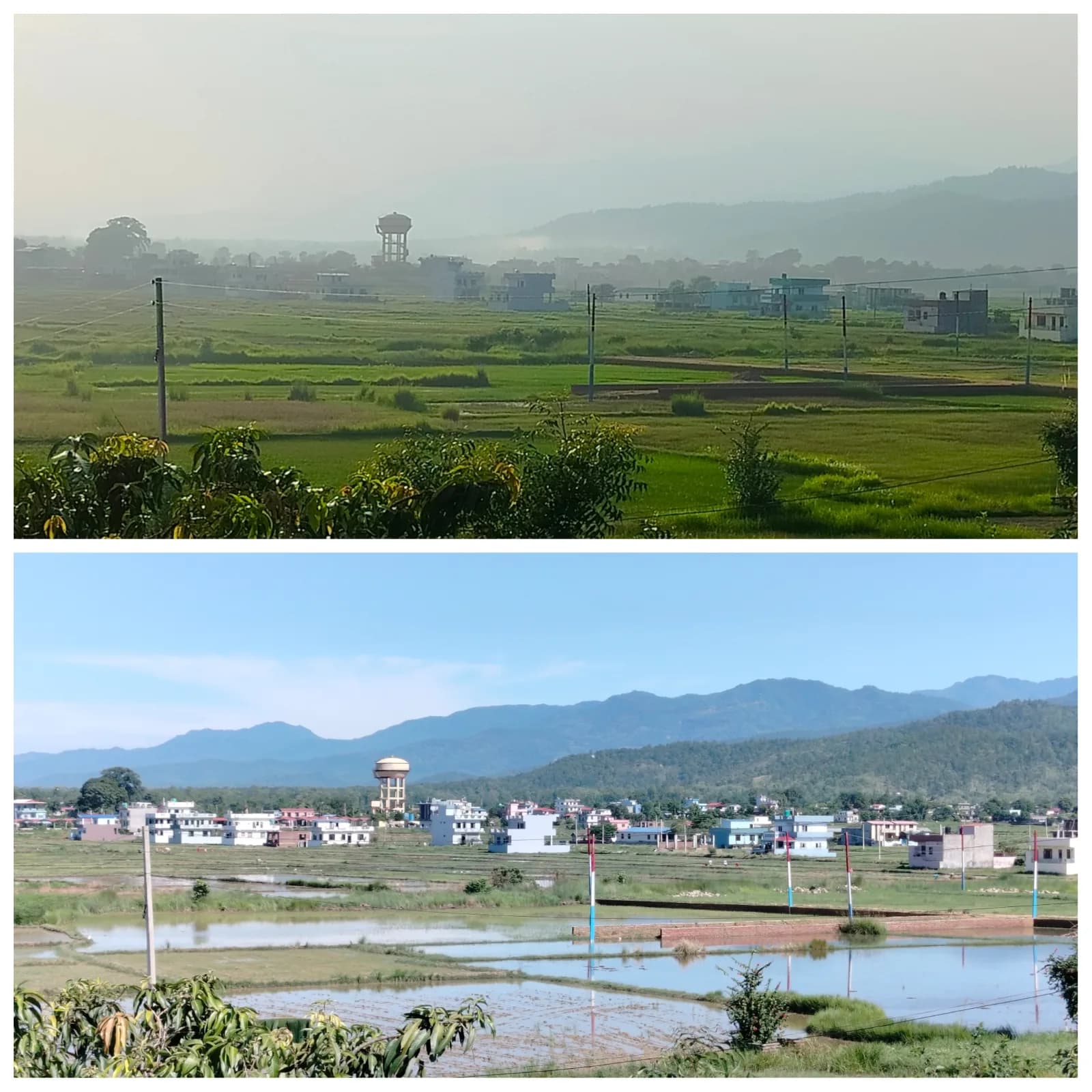
Nature is Healing
"The Rain Effect: The AQI of Sainamaina Dropped to 46 From 165. Massive Relief!!"
This two images of Sainamaina represents the massive change in air because of rainfall. The upper image, which I have already uploaded in Safahawa with the caption as "Rain Couldn'
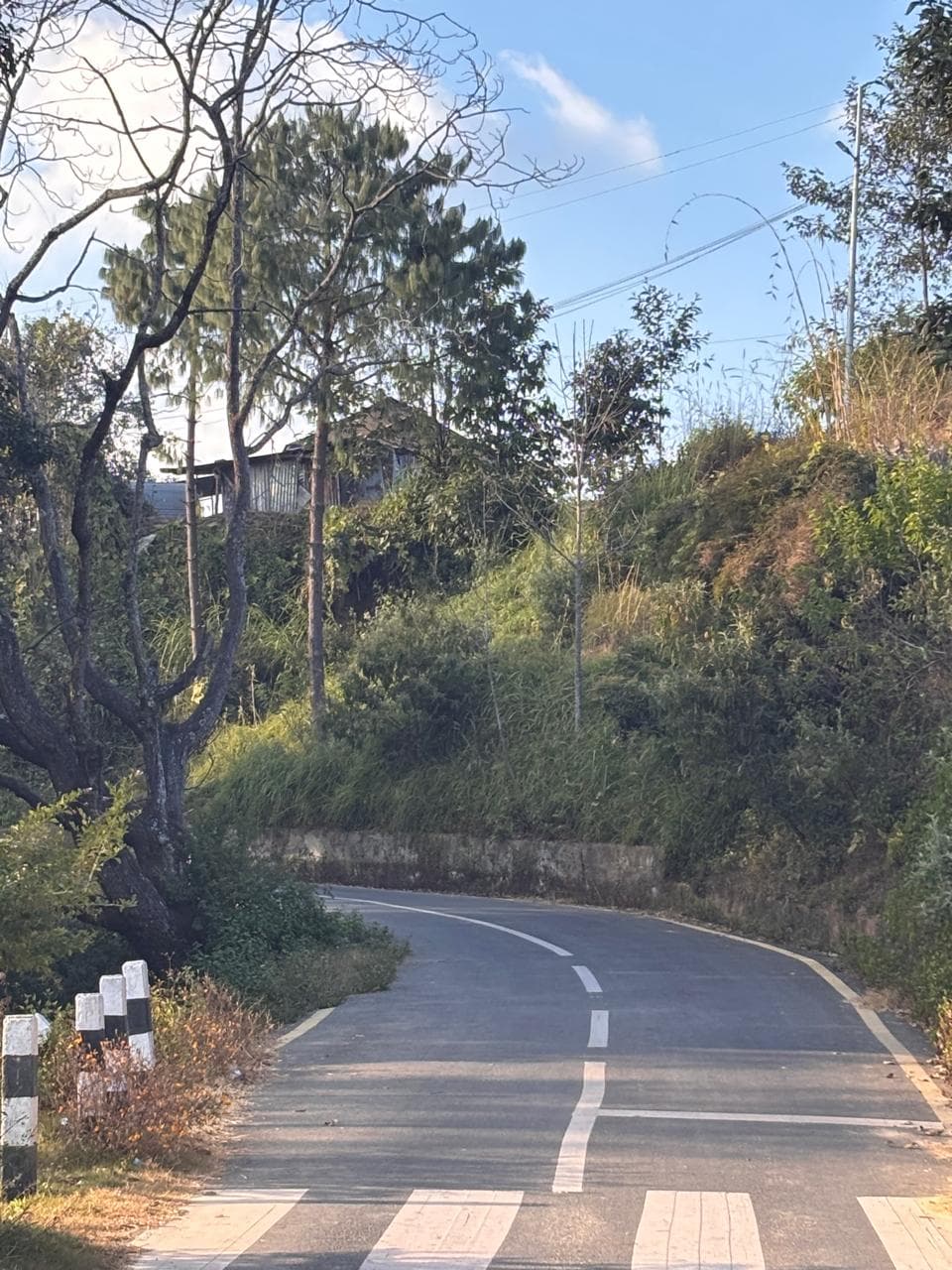
a quiet road
"A quiet road flanked by trees, where clean air and dappled sunlight slow the city’s pace."
A lone road stretches into the morning light, empty of cars, each side framed by a row of tall trees whose leaves murmur like quiet guardians. The air here tastes of green — cool,
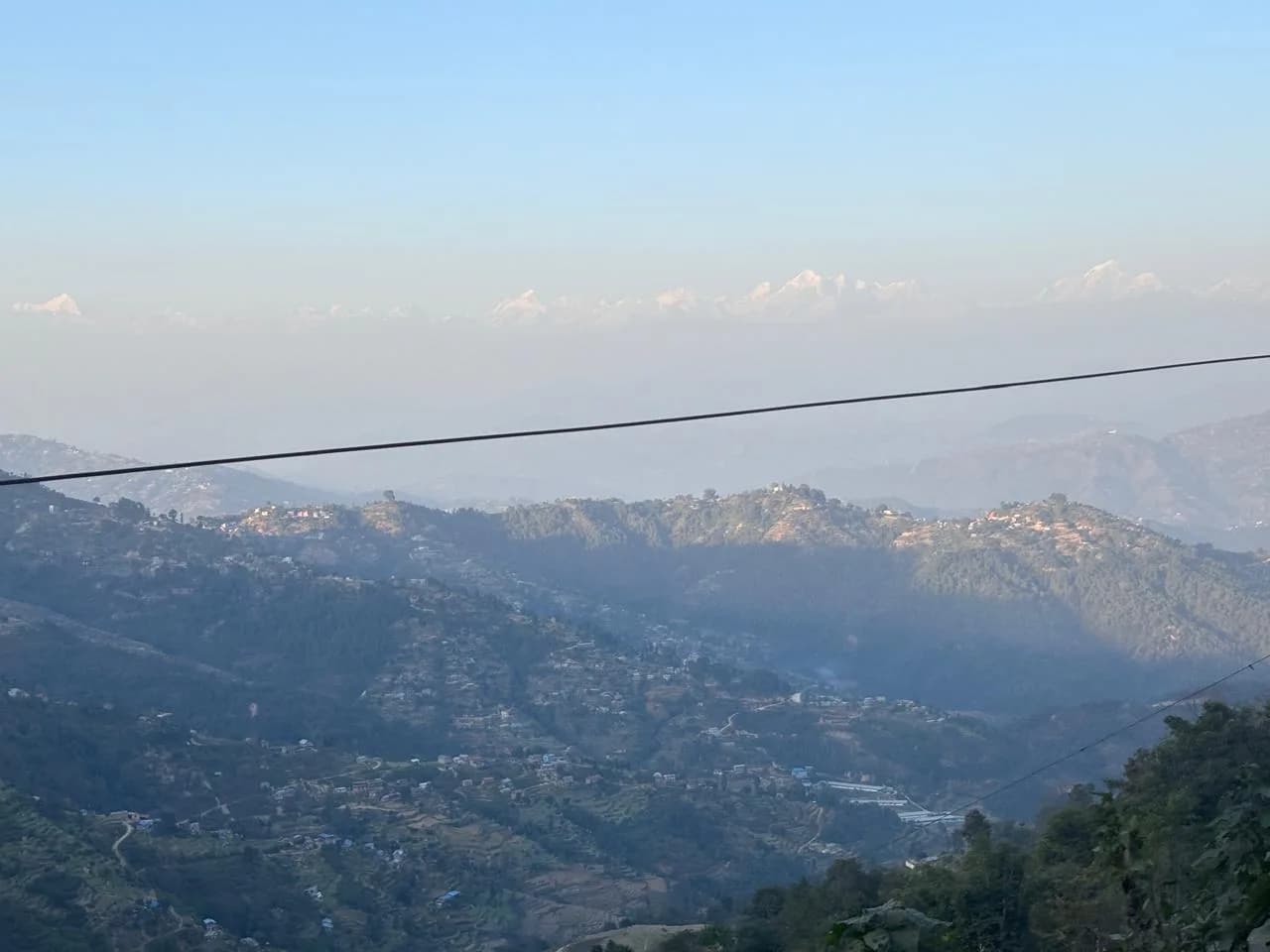
A village without pollution
"a village does not need an air purifier for clean air"
Anshu woke each morning to cool, clear air after the village stopped open burning and switched to clean stoves and composting. Children played without coughing, the river ran clear
